The answer to how much is a septic inspection depends on the property, system type, tank access, inspection goals, and local rules. A simple check may need less work than one with tank locating, records review, pumping, or soil testing. The final cost is confirmed in a written quote after the site needs are clear.
Table of Contents
- How much is a septic inspection?
- What factors affect the cost of a septic inspection?
- How does tank size affect septic inspection costs?
- How do access and system type change the inspection price?
- How much does a percolation test cost compared with an inspection?
- What does a septic inspection quote usually include?
- When should you schedule a septic inspection or percolation test?
- Frequently Asked Questions
How much is a septic inspection?
A septic inspection looks at the tank, pipes, drainfield, and other system parts. It helps show if the system works and if signs of trouble need more review. A percolation test is different. It checks how fast soil takes in water for a new system, repair, or building plan.
The answer to how much is a septic inspection is different for each property. A home with clear records and an easy-to-find tank may need less work. A property with buried lids, poor access, or an older system may need more time. A full inspection may also include more checks than a basic visual review.
An inspection cannot promise that every part will work forever. It gives a useful view of the system on that day. The report may note tank levels, baffles, outlet flow, drainfield signs, alarms, filters, and visible damage.
What is a septic inspection designed to find?
An inspection looks for normal operation, wear, leaks, blockages, poor drainage, and past damage. It may show if the system matches the property records. The inspector may open safe access covers, check parts, and watch how wastewater moves through the system.
A percolation test focuses on soil. It does not replace a tank inspection. Septic Tank Pumping Monroe helps Monroe property owners understand which service fits the reason for testing and the system on site.
Why does the final quote vary?
The quote depends on the work needed, not only on having a septic tank. Travel, site conditions, permits, records, safety needs, and local rules may change the work plan. A written quote should explain the inspection scope before the visit.
What factors affect the cost of a septic inspection?
The main factors include system age, tank condition, access, inspection depth, property layout, travel, permits, and local rules. A simple check on a well-documented property may be easier than a review of an old system with missing records.
The inspection goal also matters. Some owners need a basic condition check. Others need a report for a home sale, lender, building plan, or repair choice. Each purpose may require different checks and documents.
How do system age and condition affect the quote?
Older systems may need more care because parts can be worn, buried, damaged, or hard to identify. The inspector may spend more time checking the tank, inlet, outlet, baffles, pump parts, alarms, and drainfield. Standing water or sewage odors may also need added attention.
A recent septic pumping record can help explain the system. Missing records do not stop an inspection, but they can make the work less direct. The professional may first need to find the tank and confirm the layout.
How do property layout and local rules matter?
Steep ground, fences, narrow drives, thick plants, and locked gates can affect access. A tank under a deck, driveway, shed, or hard surface may need extra planning. Rain and wet soil can also change what the inspector can safely see.
Rules vary across the United States. Some projects need permits, soil review, approved test areas, or a certain report format. Property owners in Monroe and the main Monroe area, including Downtown Monroe, Walnut Grove, Good Hope, Between, and Loganville, should ask which rules apply before scheduling.
Homeowners can gather records, clear a path, unlock gates, and share system details. They should not enter a tank or open unsafe covers. Septic gases can harm people, so trained professionals should handle tank work.
How does tank size affect septic inspection costs?
Tank size can affect the inspection because larger tanks may take more time to access, check, and record. Size alone does not decide the final quote. Tank location, cover type, condition, and the rest of the system matter too.
A septic tank is a sealed container that holds wastewater. Solids settle inside before liquid moves toward the drainfield. The tank is only one part of the system. A tank-only check may miss problems with pipes, pumps, soil, or the drainfield.
Why can larger tanks require more work?
A larger tank may have more than one access point or section. The inspector may need to check each area, confirm the baffles, and review liquid levels. Some systems also have pumps, filters, alarms, or treatment units that add steps.
The number of bedrooms and home design can help explain system size. Still, a larger tank is not always better. A smaller tank is not always failing. Good design, proper care, and safe use all matter.
When does locating the tank add work?
A tank without a clear marker may need to be found before inspection. The professional may review plans, follow sewer lines, use safe locating tools, and look for soil or grass changes. Buried lids may need careful digging to prevent damage.
Owners can share permits, surveys, septic pumping receipts, and past reports. They can also point out where plumbing leaves the house. This helps with planning, but it does not replace professional locating.
How do access and system type change the inspection price?
Access and system type can change the inspection price because systems have different parts and safety needs. A buried tank with poor access may need more planning than a marked tank. An advanced system may need checks that a basic gravity system does not.
A conventional system sends wastewater from the tank to the drainfield by gravity. A mound system raises the treatment area above the natural soil. An aerobic system uses added air and mechanical parts to treat wastewater. These names describe designs, not the quality of a system.
What if the tank is buried or hard to reach?
The inspector may need to find the tank, uncover lids, protect nearby surfaces, and check that access is safe. Missing site records can add time. A tank below concrete or a building may need a separate plan because opening the area could damage the property.
Owners should tell the provider about fences, pets, irrigation lines, landscaping, underground utilities, and access limits. Good information helps the professional decide what can be checked during the visit.
How do advanced systems change the inspection?
Advanced systems may have pumps, control panels, alarms, filters, dosing tanks, or treatment units. The inspection may check these parts and test warning devices. The system manual and service history can help.
The professional may ask who maintains the system and whether alarms have sounded. A missed alarm can let a small issue grow. Owners should not silence or bypass an alarm without learning why it sounded.
Septic Tank Pumping Monroe serves property owners who need clear next steps for septic systems. The right inspection plan depends on the property, system, and reason for the visit.
How much does a percolation test cost compared with an inspection?
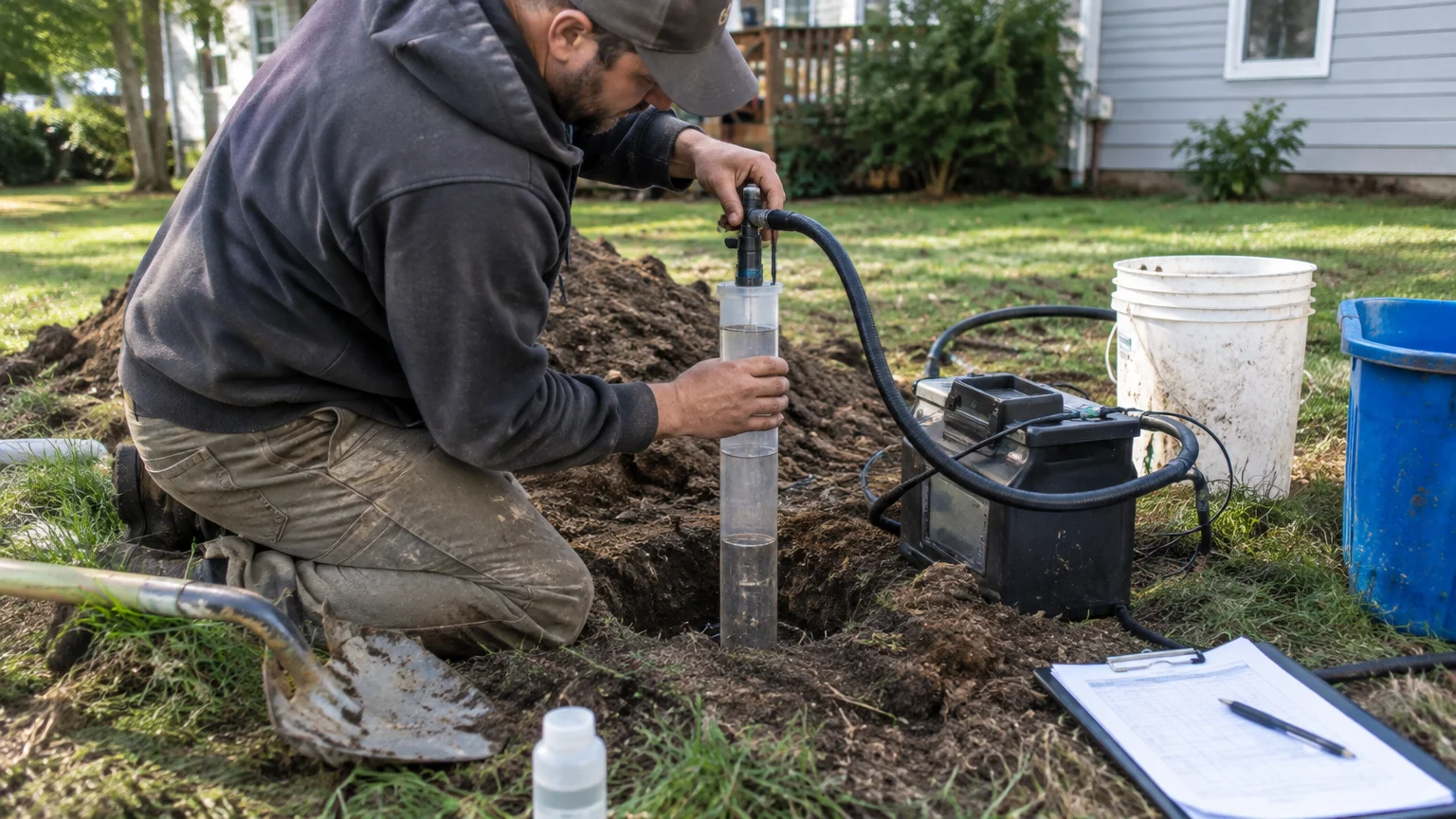
A percolation test, often called a perc test, measures how fast soil absorbs water. It is not the same as a septic inspection. An inspection reviews an existing system. A perc test helps show if land may support a new or replacement drainfield.
The final cost of a perc test depends on soil, site conditions, test depth, equipment, design needs, permits, and local rules. It may compare differently with an inspection because it studies land around a proposed system, not only the current tank and plumbing.
When is a perc test needed?
A perc test may be needed for a new home, added bedrooms, a failed system, divided land, or a new septic area. Local health departments or permit offices may set the process. Rules can differ by state, county, and project.
The test area must be chosen with care. Wet spots, packed soil, a high water table, rock, fill soil, or drainage features can affect results. A failed test does not always mean there are no options. It may mean that a different design or more review is needed.
What should property owners ask first?
Owners should ask which agency manages the test, if a permit is needed, who prepares the report, and if a site plan is required. They should also ask if the building spot and drainfield area are already known.
A perc test does not promise that a system will work in every place. It is one part of a site review. Final design may also depend on setbacks, space, groundwater, slope, and local approval.
What does a septic inspection quote usually include?
A septic inspection quote usually explains the visit, areas checked, access work, testing, records review, and report details. The scope should be clear before scheduling. Owners should compare quotes by what they include, not only by the final amount.
A quote may cover some or all of these tasks:
- Reviewing available permits, service records, and system details.
- Locating the tank and finding access covers when needed.
- Checking the tank, baffles, filter, inlet, outlet, and visible liquid levels.
- Looking for leaks, backups, odors, wet ground, or drainfield stress.
- Checking pumps, alarms, control panels, and other parts when present.
- Preparing written findings and noting needed follow-up work.
What should the report explain?
A useful report should say what the inspector checked and what could not be checked. It should describe visible conditions in plain words. It may suggest septic pumping, repairs, more testing, engineering review, or contact with the local authority.
Owners should ask if the report fits a sale, purchase, loan, permit, or repair decision. They should also ask if pumping, digging, lab work, design work, or permit charges fall outside the inspection scope.
What questions should be asked before scheduling?
Before booking, owners can ask what type of system is present, if access must be exposed, which records are useful, and how long the visit may take. They can ask how findings will be sent and whether hidden conditions can change the quote.
They should also ask what the professional needs that day. Clear access, safe pets, working water, and system records can help. Homeowners do not need to perform technical checks, open tanks, or handle sewage.
When should you schedule a septic inspection or percolation test?
Schedule an inspection before buying or selling, when planning construction or remodeling, after signs of trouble, or when records are unclear. Plan a perc test early for new construction, replacement systems, additions, or land changes.
Early planning gives owners time to respond to findings. It may also help avoid delays with a sale, permit, building plan, or loan review. A rushed inspection leaves less time for repairs or extra testing.
What are common reasons to arrange testing?
Property owners often schedule an inspection for these reasons:
- A buyer needs a clearer view of the current septic system.
- A seller wants records that explain system condition.
- A family plans an addition, bathroom, or bedroom change.
- An owner sees slow drains, wet soil, odors, or sewage backup.
- An investor needs better information before a property decision.
- A failed system may need repair, replacement, or a new drainfield.
A homeowner can safely watch for slow drains, odd odors, wet areas, and sewage signs. Reduce heavy water use during a backup and keep people away from wastewater. Do not dig into the tank, enter it, or repair electrical pump parts without proper training.
How can owners compare written quotes?
Compare the scope, report type, access work, testing, permits, and follow-up terms. A quote that looks lower may leave out work the property needs. A quote with more review may be more useful for a sale, permit, or repair choice.
The final cost is confirmed in a quote after the professional understands the site. Septic Tank Pumping Monroe can help property owners review the next step and prepare for an inspection or perc test.
Frequently Asked Questions
How deep should a septic tank be?
There is no single depth for every septic tank. A tank may be shallow or several feet underground, based on design, soil, slope, frost, and the site plan. Owners should use records or a trained professional to find it. Never dig without checking for underground utilities.
How far does a septic tank need to be from a house?
Required space depends on local rules, property design, soil, wells, waterways, and system type. A general answer may not fit every property. A local permit office or qualified septic professional can explain the rules for Monroe and the surrounding city area.
How does a septic system work?
Wastewater flows from the building into the septic tank. Solids settle, oils rise, and liquid leaves through the outlet. The drainfield spreads that liquid into suitable soil. Safe use, regular septic pumping, proper repairs, and protection from heavy traffic help the system work as designed.
How can a property owner find the septic tank lid?
Start with permits, site plans, pumping records, and the plumbing line leaving the building. A lid may be near a cleanout or soil change. If records do not help, a professional can find the tank safely. Avoid random digging because utilities may be nearby.
Who installs septic tanks near me?
Licensed or qualified septic installers usually handle new tanks and system work, subject to local rules. The right provider depends on the project, soil, design, and permit needs. An inspection company may explain current conditions, while an installer or engineer may plan a septic tank replacement.
Key takeaways
- Inspection work depends on access, system type, records, and site conditions.
- A perc test studies soil and does not replace an existing-system inspection.
- Written quotes should explain the work, report, access needs, and exclusions.
- Homeowners can gather records and clear access but should not enter tanks.
- The final cost is confirmed after the property and inspection goals are reviewed.
Conclusion
A septic inspection is more than a quick look at the tank. The quote may change with access, tank size, system type, records, site conditions, testing, and local rules. A perc test answers a different question by checking how soil may absorb wastewater.
The best next step is to explain the property goal before scheduling. That goal may involve buying, selling, building, remodeling, repairing, or learning why warning signs appeared. A clear scope and written quote help property owners make a sound choice.
Contact us at Contact us to discuss the right septic service with Septic Tank Pumping Monroe.