The main difference in a holding tank vs septic system is how each one handles wastewater. A holding tank stores wastewater until a licensed provider pumps it out. A septic system treats wastewater in a tank, then sends liquid to a drainfield. Soil, space, water use, property rules, and upkeep all help guide the right choice.
Table of Contents
- What Is the Difference Between a Holding Tank and a Septic System?
- How Does a Holding Tank Work?
- How Does a Septic System Work?
- How Do the Parts of Each System Work Together?
- What Are the Main Advantages and Limitations of Each System?
- What Do Property Owners Need to Know About Maintenance?
- What Are Common Misconceptions About Holding Tanks and Septic Systems?
- Frequently Asked Questions
What Is the Difference Between a Holding Tank and a Septic System?
A holding tank is a sealed container that collects wastewater. It does not treat the waste or send it into the soil. A septic system has both a tank and a drainfield. The tank settles solids, while the drainfield takes in liquid waste and lets suitable soil filter it.
This difference changes how a property can use water. A holding tank has a fixed capacity. When it fills, wastewater has nowhere to go until a provider pumps the tank. A septic system keeps working as liquid leaves the tank and reaches the drainfield. That flow still needs sound design, healthy soil, and regular care.
A holding tank may fit a home with poor soil, little space, seasonal use, or a short-term wastewater need. Local rules may also require one when a regular septic system cannot receive approval. A septic system may work better when the property has enough land and soil for safe treatment.
How a holding tank stores wastewater
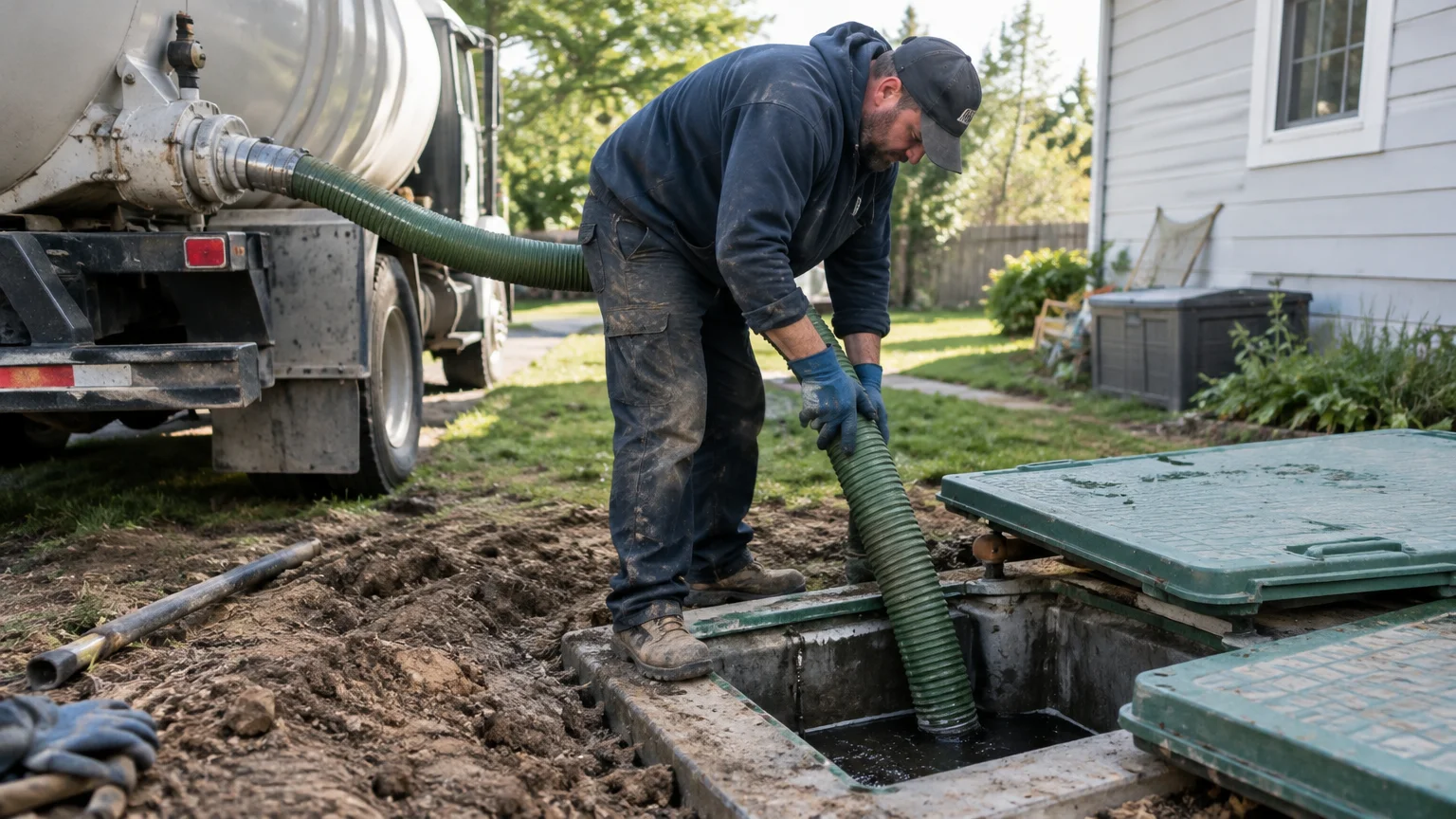
The tank receives water from toilets, sinks, showers, laundry, and other drains. A sealed cover keeps the waste inside. An alarm may warn the owner when the level rises. The tank then needs service from a qualified provider.
How a septic system treats and disperses wastewater
A septic tank separates wastewater into layers. Heavy solids sink and form sludge. Grease and lighter waste rise and form scum. The liquid layer moves toward the drainfield, where soil helps remove many harmful materials before the water moves underground.
Septic Tank Pumping Monroe can help property owners learn which system they have. The team can also explain basic care needs. A local review helps before buying a home, changing its use, or planning an addition.
How Does a Holding Tank Work?
A holding tank collects all wastewater in one sealed container. Unlike a septic tank, it has no drainfield for treated liquid. The tank stays in use until its level calls for pump-out service.
Wastewater moves through the building sewer and enters the tank. The tank holds the waste below ground. A vent may help control gases, and an alarm may show that the level is rising. Some systems also have controls that help owners plan service before an overflow.
Tank size, the number of people, water use, and local rules affect pumping needs. A larger tank holds more waste, but it still has a set limit. Extra showers, guests, leaking toilets, and running faucets can fill it sooner.
Main components of a holding tank system
Common parts include the building sewer, access lid, tank, vent parts, alarm, and pump-out connection. Each property may have a different design. Some tanks need a pump truck to remove waste. Others may have a pump that moves wastewater to another approved location.
The access lid should stay easy to find and safe. Owners should learn its location before an urgent problem starts. Property records, cleanout points, sewer line paths, and safe locating tools may help. Do not dig near underground utility lines without proper clearance.
Wastewater flow into a holding tank
Indoor drains → building sewer → sealed holding tank → level alarm → approved pump-out service
A holding tank is not a treatment system. It is a storage system. Owners must watch water use and arrange pump-outs before the tank reaches its alarm level. An overflow can cause health risks, property damage, and rule problems.
How Does a Septic System Work?
A septic system treats wastewater in stages. First, wastewater enters the septic tank. Solids sink, lighter waste floats, and the liquid layer moves through an outlet. The drainfield then spreads the liquid into the soil for more treatment.
A septic tank is an underground container that separates solids from liquid. A drainfield is an area with soil and pipes that receives liquid from the tank. Soil, natural microbes, and good drainage help lower harmful pollutants before the liquid travels deeper underground.
The role of the septic tank and drainfield
The tank holds wastewater long enough for solids to settle. Baffles help keep scum and sludge from leaving the tank. An outlet filter may also stop larger pieces from moving toward the drainfield.
The drainfield needs enough space and suitable soil. It can fail when it gets too much water, heavy vehicles, tree roots, or too many solids. Problems may also start when the tank lacks pumping or the system does not fit the property.
Wastewater flow through a septic system
Indoor drains → septic tank → outlet filter → distribution box → drainfield → soil treatment
A septic system does not make wastewater vanish. It depends on steady flow through the tank and drainfield. Toilets, sinks, showers, and laundry all add water. Careful water use helps the system manage that flow.
The location of each part can differ. A tank may sit near the home, but local rules and site conditions guide its exact place. Owners should check approved records instead of guessing where the tank or drainfield sits.
How Do the Parts of Each System Work Together?
In a holding tank system, the building sewer and tank form a collection path. Wastewater moves from the property into storage. The owner then schedules pump-out service before the tank fills. The property has no soil-based treatment step.
In a septic system, each part supports the next step. Plumbing carries wastewater to the tank. The tank separates solids from liquid. The outlet sends liquid toward the drainfield. The drainfield spreads liquid through soil. A problem in one part can affect the whole system.
What happens after wastewater leaves the property
Wastewater does not leave the property in the same way for both systems. With a holding tank, it stays on the property until a provider removes it. With a septic system, liquid moves into the drainfield and soil after leaving the tank.
Both systems need safe access and careful planning. Keep vehicles, sheds, pools, and large trees away from key parts. Heavy loads can harm a tank, pipe, or drainfield. Before building, review system records and field locations.
Why pumping and maintenance requirements differ
A holding tank needs planned pump-outs because its capacity is limited. Owners should watch the alarm and note changes in water use. Ignoring the alarm can lead to a sewage backup or overflow.
A septic system needs pumping because sludge and scum build up over time. It also needs drainfield care. Pumping removes stored solids, but it cannot repair damaged soil or failed pipes. An inspection may help when buying property, after a backup, or before a major change.
Septic Tank Pumping Monroe is a local resource for questions about septic tank pumping, system access, and warning signs. Property owners in Monroe should use approved records and trained help when the system layout is unclear.
What Are the Main Advantages and Limitations of Each System?
Neither system suits every property. A holding tank can manage wastewater where a drainfield will not work. A septic system can treat wastewater on site when land, soil, and design support it.
The right choice depends on more than the tank. Soil type, groundwater, lot size, building use, water flow, and local approval rules all matter. A system that works on one property may not work on another.
When a holding tank may be appropriate
A holding tank may suit a small seasonal building, a property with little usable land, or a site that cannot support an approved drainfield. It may also serve as a temporary option during a larger wastewater project.
Its main benefit is simple storage. Its main limit is the need for regular checks and pump-out planning. Owners must prepare for alarms, service visits, and changes in household water use.
When a septic system may be the better option
A septic system may fit a property with enough room for a drainfield. The soil must also support safe treatment. This system can serve a home without requiring every drop of wastewater to leave by pump truck.
Its limits include soil needs, design rules, and drainfield damage risks. Owners must protect the field, avoid flushing harmful items, and arrange pumping and inspections. A septic system still needs regular care.
For either system, ask for permits, installation records, inspection reports, and service history. Buyers and investors should confirm the system type before closing. Tenants should report alarms, slow drains, sewage smells, or wet ground quickly.
What Do Property Owners Need to Know About Maintenance?
Good maintenance starts with knowing the system type, tank location, access point, and drainfield location. Keep these records with other property papers. Clear records make future inspections and repairs easier.
Many simple tasks are safe for owners. They can reduce water waste, fix leaking fixtures, keep lids clear, and avoid driving over tanks or drainfields. They should not enter a tank, lift unsafe covers, or repair underground wastewater parts without trained help.
Holding tank monitoring and pump-out planning
Check the alarm system as the maker directs. Also note unusual water use, slow drains, smells, or a rising alarm. A service log can show how changes in the home affect the tank level.
Plan pump-outs before the tank is full. Waiting for an overflow creates a more serious issue. A provider can explain which signs need urgent attention and what details to share before service.
Emergency pumping may be needed when wastewater backs up, the alarm stays on, or an overflow seems close. Some providers may offer 24/7 service, but owners should confirm availability before an urgent event.
Septic tank pumping, inspections, and drainfield care
Septic tank pumping removes sludge and scum that the tank cannot break down. Timing depends on tank size, household use, solids levels, and local guidance. An inspection can check the tank, baffles, outlet filter, pipes, and visible drainfield conditions.
Spread laundry across the week and repair leaks quickly. Do not flush wipes, grease, paint, chemicals, or other unsafe items. Keep rainwater, sump discharge, and roof runoff away from the drainfield. These steps lower extra flow and help protect the soil.
A professional is needed for pumping, tank entry, alarm repairs, underground locating, and suspected leaks. Owners can safely keep lids clear, check for wet spots, and record changes in system behavior.
Septic tank replacement may be needed when a tank has major damage or cannot work safely. Replacement is a larger project than routine septic pumping. Local rules, soil, access, and system design all affect the work.
What Are Common Misconceptions About Holding Tanks and Septic Systems?
A common mistake is thinking a holding tank treats wastewater. It does not. It stores wastewater until removal. Another mistake is thinking the septic tank completes treatment alone. The drainfield and soil also play key roles.
Some owners think a large tank never needs service. That is not true. A larger tank may hold more waste, but every holding tank has a limit. Septic tanks also collect solids and need care even when drains seem normal.
Misconceptions about wastewater treatment and capacity
Another myth is that every household chemical can go down a drain. Some products harm helpful organisms or damage system parts. Follow product labels and local disposal rules.
Slow drains do not always mean the tank is full. A blocked pipe, damaged baffle, failed pump, or wet drainfield can cause similar signs. Strong smells, sewage on the ground, wet spots, and repeat backups need prompt attention.
How to determine which system a property has
Start with permits, property records, inspection reports, and old service papers. Ask the seller, landlord, installer, or local authority for system details. An alarm or pump-out connection may offer clues, but it does not prove the full design.
A qualified provider can help locate a buried septic tank or holding tank. A tank may sit several feet below the ground, and lid depth varies. Never guess with heavy digging or enter a tank. Dangerous gases and unsafe conditions may be inside.
Septic Tank Pumping Monroe can help property owners prepare questions before a service visit. Knowing the system type helps owners choose safer upkeep and avoid preventable damage.
Key takeaways
- A holding tank stores wastewater and needs planned pump-outs.
- A septic system uses a tank, drainfield, and soil for treatment.
- Both systems need safe access, careful water use, and regular care.
- Owners should protect tanks and drainfields from vehicles and building work.
- Records and a professional inspection can confirm the system type.
Conclusion
The choice between a holding tank and septic system depends on soil, space, water use, property rules, and site design. A holding tank stores wastewater for removal. A septic system treats wastewater through a tank and drainfield. Knowing this difference helps owners plan safer care.
Keep system records, watch for warning signs, and arrange service before an overflow. Monroe property owners can review these details before choosing their next step. Contact us to discuss septic system questions, pumping needs, or help identifying a wastewater system.
Frequently Asked Questions
How does a holding tank differ from a septic tank?
A holding tank stores all wastewater until a provider pumps it out. A septic tank separates solids from liquid and sends liquid to a drainfield. The septic tank is one part of a larger treatment system. A holding tank is mainly a sealed storage container.
How often does a holding tank need to be pumped?
No single schedule works for every property. Tank size, household water use, occupancy, and alarm settings all affect timing. Track pump-outs and arrange service before the alarm reaches a high level or wastewater backs up.
How can someone find a buried septic tank?
Begin with permits, property records, inspection reports, and old service notes. The building sewer may show the tank’s general location. A qualified provider can use safe locating tools. Avoid unplanned digging near utilities or underground system parts.
How deep should a septic tank or lid be?
Depth varies by property and installation. Some lids sit near the ground, while others have more soil above them. Do not assume the lid’s depth or location. Records and professional locating are safer than probing or digging without a plan.
Does pumping a septic tank fix a failing drainfield?
Pumping removes solids from the tank, but it does not repair a damaged or wet drainfield. Standing water, sewage smells, lush wet areas, or repeat backups may point to a larger problem. An inspection can help tell a full tank from a drainfield concern.
If you are unsure what system you have, getting help early can prevent a larger issue. Contact Septic Tank Pumping Monroe to discuss your property and next steps.
If you are not sure what you are dealing with, it is worth having someone look at it before it turns into a bigger job. Get in touch with Septic Tank Pumping Monroe today and we will tell you where you stand.