A septic tank full water problem can mean the tank holds normal wastewater, or that water cannot leave properly. A high level may point to a blocked outlet, full tank, wet drain field, or heavy water use. Limit water use and arrange a professional inspection before sewage backs up.
Table of Contents
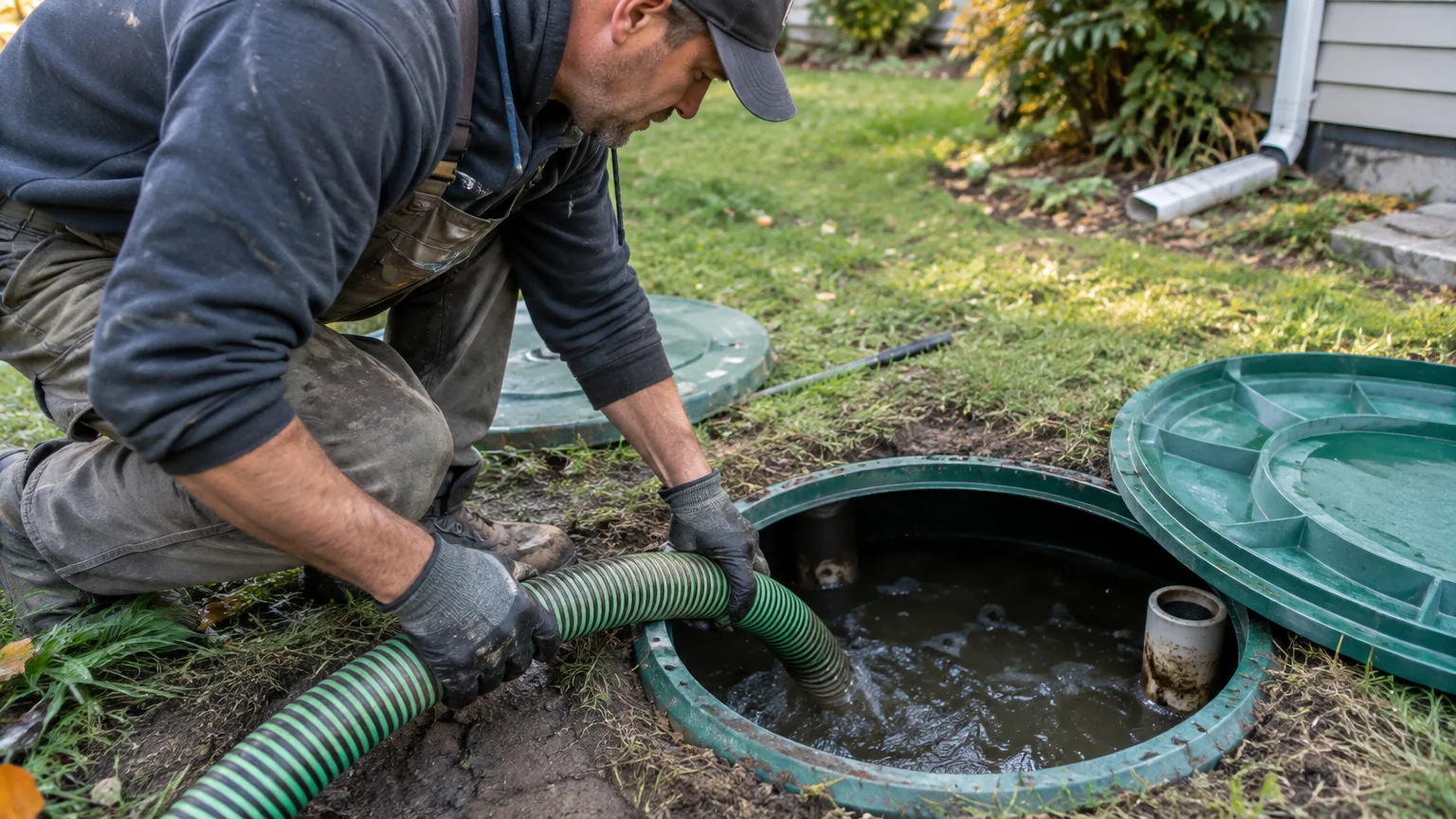
- What does it mean when a septic tank is full of water?
- Why is my septic tank full of water?
- Can a full septic tank cause water to back up?
- What are the signs that a septic tank is too full?
- How can you tell whether the problem is the tank or the drain field?
- What should you do right now if your septic tank is full of water?
- When is a full septic tank an emergency?
- How is a water-filled septic tank inspected and pumped?
- How much does it cost to pump a full septic tank?
- How can you prevent a septic tank from becoming too full?
- Frequently Asked Questions
- Key takeaways
- Conclusion
What does it mean when a septic tank is full of water?
A septic tank should contain liquid. Wastewater enters from the home, solids settle, and liquid moves toward the drain field. The tank is not meant to be empty. The concern begins when liquid rises above its normal level or reaches the inlet pipe.
A septic tank full water problem means wastewater may not be leaving fast enough. A trained worker checks the water level against the inlet and outlet pipes. Recent water use, tank condition, and drain-field health can help explain the high level.
Normal liquid levels versus an abnormal water level
A working tank usually holds liquid below the inlet pipe. Wastewater enters from the house, and treated liquid leaves through the outlet. The outlet often has a filter. This filter helps keep solids out of the drain field. If it becomes blocked, water can stay high in the tank.
The tank may also look full after heavy use. Guests, laundry, long showers, and many dishes add water quickly. The level should fall when the system works well. A level that stays high needs attention.
How the tank level relates to wastewater flow
Every gallon sent down a drain must move through the septic system. If the outlet, pipe, pump, or soil cannot take that flow, water stays in the tank. A full tank does not always mean the tank is damaged. The trouble may be farther down the system.
Septic Tank Pumping Monroe can help Monroe property owners learn whether the level is normal or a warning. A trained worker should open and inspect the tank safely. Never enter a tank or lean over an open access point. Septic gases can overcome a person without warning.
Why is my septic tank full of water?
The most common reason is a tank that needs septic pumping. Other causes include a blocked outlet filter, broken pipe, failed pump, or drain field that cannot absorb wastewater. Heavy rain and high water use can also raise the level for a short time.
A technician checks the tank, pipes, baffles, filter, pump, and drain field. This step matters because pumping removes stored solids, but it cannot repair a failed pump. It also cannot fix soil that no longer takes in water.
Most likely causes ranked by probability
- The tank needs pumping: Solids build up over time and reduce working space. This is often the first cause checked.
- The outlet filter is blocked: A dirty filter can slow or stop liquid from leaving. It may need safe cleaning or replacement.
- A pipe is blocked or damaged: Roots, grease, crushed pipe, or settled soil can limit flow.
- The drain field is saturated: Wet soil may take in very little wastewater. A weak field may stay slow after dry weather returns.
- A pump or control has failed: Pump systems need power, working floats, and good controls. A failed part can stop discharge.
- The tank or baffle is damaged: Cracks, loose parts, or poor past repairs can change water flow.
How recent weather and household use affect the tank
Rain can enter through a damaged lid, loose riser, or cracked tank. Groundwater can also enter through breaks in the tank or pipes. If the yard is wet, the drain field may have less room for household wastewater.
Pause extra water use while the cause is checked. Spreading laundry across later days may lower strain, but it will not clear a blockage. Monroe homes have different soils, weather, and system designs. An inspection should guide the next step.
Can a full septic tank cause water to back up?
Yes. A high tank level can cause slow drains, wastewater inside the home, or wet ground near the drain field. The first backup may appear in the lowest plumbing fixture. It may also happen when several fixtures run together.
Wastewater can carry germs and harmful waste. Do not touch it without proper protection. Keep children and pets away from sewage, wet drain-field areas, and open tank access points.
Where wastewater backs up first
The lowest drain often shows trouble first. This may be a basement drain, shower, toilet, or utility sink. Toilets may gurgle, and drains may empty slowly. Sewage smells may come from fixtures or the tank area.
A backup can happen inside even when the yard looks dry. A blockage between the home and tank may stop wastewater before it reaches the tank. A professional checks both the building sewer and septic system before choosing a repair.
What sewage backups can damage inside a property
Sewage can soak floors, drywall, insulation, furniture, and stored items. It can also leave smells after the water is gone. Porous items may need special cleaning or removal. Electrical equipment near wet areas creates another safety risk.
Do not use affected fixtures. Keep people and animals away from the area. Cleanup should follow local health guidance and use proper safety gear. Septic service may solve the tank issue, but indoor cleanup may need another qualified service.
What are the signs that a septic tank is too full?
Common signs include slow drains, gurgling pipes, sewage smells, and water rising from a low fixture. Outside, a wet patch, strong smell, or bright green strip over the drain field may signal trouble. One sign alone does not prove the tank is full. Several signs together need prompt attention.
Some warnings appear slowly. Others start during a shower, laundry cycle, or heavy rain. Note when the problem begins. This can help a technician find the cause sooner.
Indoor warning signs
Watch for these changes inside the property:
- Toilets bubble or flush more slowly than usual.
- Sinks, tubs, or showers drain slowly in several rooms.
- A sewage smell comes from drains or plumbing fixtures.
- Wastewater appears in a floor drain or low shower.
- Drains gurgle when another fixture runs.
- Problems return soon after a drain is cleared.
A single blocked sink may have a local plumbing cause. Trouble in many fixtures points more toward a building sewer or septic problem. Chemical drain cleaners may harm pipes, people, or septic life. They are not a safe answer to repeated backups.
Yard and drain-field warning signs
Look for standing water, soft soil, sewage smells, or bright green grass over part of the drain field. These signs may mean the soil receives more liquid than it can absorb. They may also point to a broken pipe or surface water entering the system.
Do not drive, park, build, or place heavy items over the drain field. Packed soil leaves less room for wastewater movement. Keep pets away from wet areas until the system is checked.
How can you tell whether the problem is the tank or the drain field?
A professional can separate tank trouble from drain-field trouble by checking liquid levels, flow, filters, pipes, soil, and system parts. A tank full of solids may improve after pumping. A drain field that stays wet may need a larger repair plan.
Homeowners can note signs, but they should not dig into the field or open buried parts without help. Drain fields can be large. Digging in the wrong place may damage pipes or create a safety risk.
Clues that point to a full or blocked tank
A tank that needs pumping often has a high layer of solids. The outlet filter may be covered with sludge. Wastewater may enter the tank normally but stop at the outlet. Pumping and filter service may restore normal flow in these cases.
A technician may also check the inlet baffle. This part guides incoming wastewater and helps stop scum from entering the outlet. A missing or damaged baffle can cause trouble even after the tank is pumped.
Clues that point to a saturated or failing drain field
A slow drain field may show wet ground, odors, or sewage over the field. The tank may become full again soon after pumping. Flow may also worsen after storms or during high groundwater.
A drain field spreads treated liquid into soil for final treatment. Its work depends on soil, design, water use, and care. Pumping removes solids, but it does not rebuild damaged soil or replace failed parts.
What should you do right now if your septic tank is full of water?
First, reduce water entering the system. Stop laundry, long showers, dishwashing, and other extra use. Do not flush toilets unless needed. Then arrange an inspection and share details about signs, weather, and past service.
A homeowner can safely look for simple signs, such as a wet yard or slow fixture. The homeowner should not remove a heavy lid, climb into a tank, or probe buried pipes. Septic tanks contain dangerous gases.
Immediate steps to reduce backup risk
- Stop using water for nonessential tasks.
- Keep children and pets away from wet soil or sewage.
- Turn off a septic pump only if a qualified worker gives clear instructions.
- Mark unsafe areas without walking through them.
- Note indoor symptoms, weather changes, and recent water use.
- Contact a qualified septic professional for inspection and pumping advice.
If wastewater entered the home, avoid contact and keep electrical items away. Open windows only when safe. Follow local guidance for cleanup, especially when sewage reaches living areas.
What to avoid until the system is inspected
Do not add septic products as a quick fix. Do not pour bleach, solvents, grease, or harsh cleaners into drains. Do not cover a wet drain field with soil or dig out a blocked pipe. These actions can hide signs, spread waste, or cause more damage.
Septic Tank Pumping Monroe can explain which water-use changes are safe while a Monroe property waits for service. The right step depends on whether the problem is pumping, a blockage, a pump, or the drain field.
When is a full septic tank an emergency?
A full tank becomes urgent when sewage backs up, reaches the surface, or threatens the home. It is also urgent when a pump alarm sounds, the drain field floods, or people and pets could touch wastewater. Fast emergency pumping or repair can help limit damage.
A small smell with no backup still needs attention. It may not need the same response as sewage inside the property. When unsure, stop water use and ask a qualified worker how soon service is needed.
Situations that require urgent professional help
Seek urgent help when any of these conditions occur:
- Sewage rises from a toilet, shower, floor drain, or cleanout.
- Wastewater appears near the tank or drain field.
- A high-water or pump alarm stays on.
- Several fixtures stop draining at once.
- The tank lid is broken, loose, or exposed.
- A child, pet, or adult touches sewage.
The technician may pump the tank, clear a blockage, repair a pump, or stop active flow. The first visit may find the cause. A larger repair may need more testing.
How to protect people, pets, and the property
Keep everyone away from wastewater and open tank areas. Close doors or block access to affected rooms. Never touch sewage with bare hands. Wash exposed skin with soap and clean water, and seek medical advice after major contact.
If the property has a backup, record damaged areas without spreading waste. A qualified cleanup provider can advise about damaged items. Septic work and indoor restoration are related, but they are separate tasks.
How is a water-filled septic tank inspected and pumped?
A professional starts by finding the tank, checking access, and reviewing the signs. The inspection may include liquid level, sludge depth, scum depth, baffles, the outlet filter, and signs of groundwater entry. The worker then decides whether pumping is needed.
Pumping removes settled solids and floating scum. It does not replace an inspection. A tank can be empty after pumping and still have a broken pipe, failed pump, damaged baffle, or drain-field problem.
What a professional checks before pumping
The technician checks whether wastewater enters the tank and whether it can leave. They may inspect the line from the home, outlet filter, pump chamber, alarms, and visible tank surfaces. They also look for unsafe lids, roots, cracks, and odd water flow.
Tank size and system design matter. Some properties use gravity systems. Others use pumps or separate chambers. The service plan should match the system instead of treating every tank the same way.
Why pumping alone may not solve the problem
Pumping can help when solids take up too much tank space. It cannot fix a saturated drain field, crushed pipe, or failed pump. If the tank becomes full again soon after service, report that change.
A professional may suggest filter cleaning, pipe repair, an electrical check, or drain-field testing. The final cost depends on tank size, access, parts, damage, urgency, and needed work. The provider should confirm the final cost on a quote before extra work begins.
How much does it cost to pump a full septic tank?
The cost depends on the work required, so an inspection and quote are needed. A routine pump-out is usually simpler than work involving blocked pipes, poor access, pump parts, or a damaged drain field. Emergency conditions may need different equipment or timing.
Ask what the visit includes, whether findings are recorded, and which repairs are separate. Tank size, location, access, waste level, travel distance, and system type may all affect the final cost.
What affects the overall cost
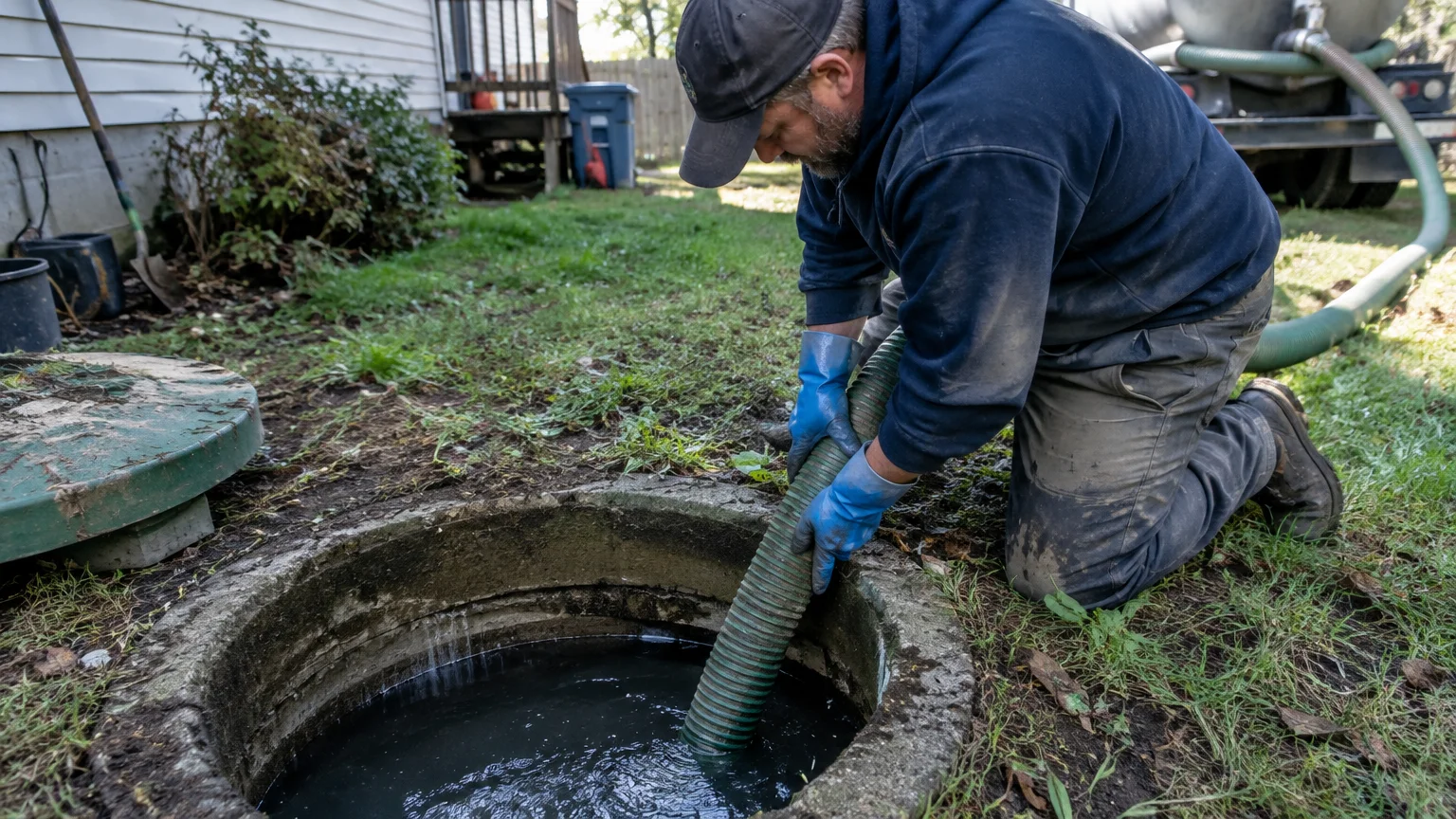
Important factors may include:
- Tank size and the amount of material removed.
- Distance from the service vehicle to the tank access point.
- Buried, narrow, damaged, or hard-to-open access covers.
- Blocked filters, pipes, baffles, pumps, or controls.
- Wet ground, poor access, or other site conditions.
- Whether the issue is routine, urgent, or part of a larger repair.
A quote should explain the suggested work in plain words. Property owners should not assume a pump-out includes drain-field repair, plumbing repair, cleanup, or replacement parts.
How pumping compares with repairs or drain-field work
Pumping is often a smaller job than repairing a failed pump, replacing damaged piping, or rebuilding a drain field. Drain-field work may involve testing, digging, soil limits, and system design. A weak system may need several steps instead of one visit.
Septic Tank Pumping Monroe can help property owners in the main Monroe area, from Downtown Monroe to Walnut Grove, Good Hope, Between, Loganville, and nearby communities understand the inspection findings. The provider should confirm the final cost on a quote before added repair work is approved.
How can you prevent a septic tank from becoming too full?
Regular inspections and pump-outs help stop too many solids from building up. The right schedule depends on tank size, household size, water use, and solids entering the tank. A technician can help set a useful reminder.
Good water habits also protect the system. Spread laundry across several days and repair leaking toilets. Keep grease, wipes, and harsh chemicals out of drains. Only human waste and toilet paper should go down a toilet.
Maintenance and water-use habits that help
- Keep records of inspections, pumping, repairs, and alarm tests.
- Fix dripping faucets and running toilets quickly.
- Use laundry loads that fit the system’s capacity.
- Keep grease, paint, solvents, wipes, and medicine out of drains.
- Protect the tank and drain field from cars and heavy structures.
- Keep roof water and sump discharge away from the drain field.
- Make sure access covers stay secure and easy to find.
A septic tank is a buried container that separates solids from liquid wastewater. A septic system includes the tank, pipes, treatment parts, and drain field. Knowing this difference helps owners understand why pumping may not fix every problem.
When to schedule the next inspection or pump-out
Schedule service before backup signs appear. A new owner should learn the system’s location, design, records, and last service date. A home buyer may also need a septic inspection during the purchase process. A perc test checks how fast soil absorbs water. Local health or environmental offices often arrange this test.
Tank depth and distance from the house vary by site and local rules. A professional can locate the tank and explain safe access. Septic Tank Pumping Monroe serves Monroe and can help owners plan future maintenance based on system condition.
Frequently Asked Questions
What is a septic tank?
A septic tank is a buried container that receives wastewater from a property. Solids settle at the bottom, lighter material floats, and liquid leaves through an outlet. The tank needs regular inspection and pumping because solids do not disappear. The tank is only one part of the full system.
How deep should a septic tank be?
There is no single depth for every septic tank. Depth depends on tank design, soil, slope, local rules, and pipe layout. Some tanks have risers that bring access closer to the surface. A professional should locate and open the tank safely.
How far does a septic tank need to be from a house?
The required distance depends on local health rules, lot conditions, soil, wells, property lines, and system design. The tank and drain field may sit at different distances from the home. Check local rules and use a qualified professional before installing or moving a system.
Who performs a perc test?
A perc test is often arranged through a local health department, environmental office, soil professional, or septic designer. The process varies by area. The test shows whether soil can absorb wastewater. It does not replace a tank inspection or full system check.
How do you spell cesspool?
The standard spelling is cesspool. A cesspool is not the same as a modern septic system. It usually means a pit that receives wastewater with little treatment. Property owners should use the term found in local records because approved systems vary.
Key takeaways
- A septic tank should hold liquid, but a high level can signal trouble.
- Common causes include pumping needs, blocked filters, pipe problems, pumps, and wet soil.
- Stop extra water use when backup signs appear.
- Never enter a tank or handle sewage without proper safety steps.
- Pumping may not fix a blocked pipe, failed pump, or damaged drain field.
Conclusion
A high septic tank level should not be ignored. It may show normal wastewater, but it may also warn of a blocked outlet, full tank, failed pump, or drain-field problem. Reducing water use can lower backup risk while the system is checked.
A careful inspection gives the property owner a clearer plan. It can show whether the next step is pumping, filter service, plumbing repair, septic tank replacement, or a larger system check. Contact us to arrange septic tank help for the property.