The septic tank pump replacement cost depends on the pump, system design, access, labor, testing, and needed parts. A simple replacement is often easier than work involving buried wires, damaged floats, or control problems. The final cost is confirmed in a quote after the system is checked.
A failed pump can stop wastewater from moving. An alarm may sound, or drains may slow down. Quick action may keep a small pump problem from causing a larger septic issue.
Septic Tank Pumping Monroe helps property owners understand their choices. This guide explains cost factors, what a quote should include, and when professional help is needed in Monroe.
Table of Contents
- What affects septic tank pump replacement cost?
- How does tank size affect pump replacement cost?
- How does access affect septic pump replacement cost?
- How does septic system type change the replacement cost?
- How does location affect septic tank pump replacement cost?
- What should a septic pump replacement quote include?
- When should you get a quote for septic pump replacement?
- Frequently Asked Questions
What affects septic tank pump replacement cost?
The main factors are the pump, labor, access, electrical parts, testing, and disposal. The septic tank pump replacement cost may change when the technician finds damage beyond the pump. A quote should explain each part of the job in plain words.
A septic pump moves wastewater from a tank to a drainfield, treatment unit, or higher point. The pump must match the system’s flow needs and lift height. Lift height is the distance the pump must move wastewater upward. A weak pump may run too long or fail sooner.
Which parts may need replacement?
The pump may not be the only failed part. A technician may also find a bad float switch, alarm, check valve, wire, control panel, or discharge pipe. A blocked line or weak power supply may cause the trouble instead of a worn pump.
A careful check helps find the real cause. For example, a bad float can make a pump run too often. A blocked discharge line can make a good pump seem weak. Replacing only the pump may lead to another service problem.
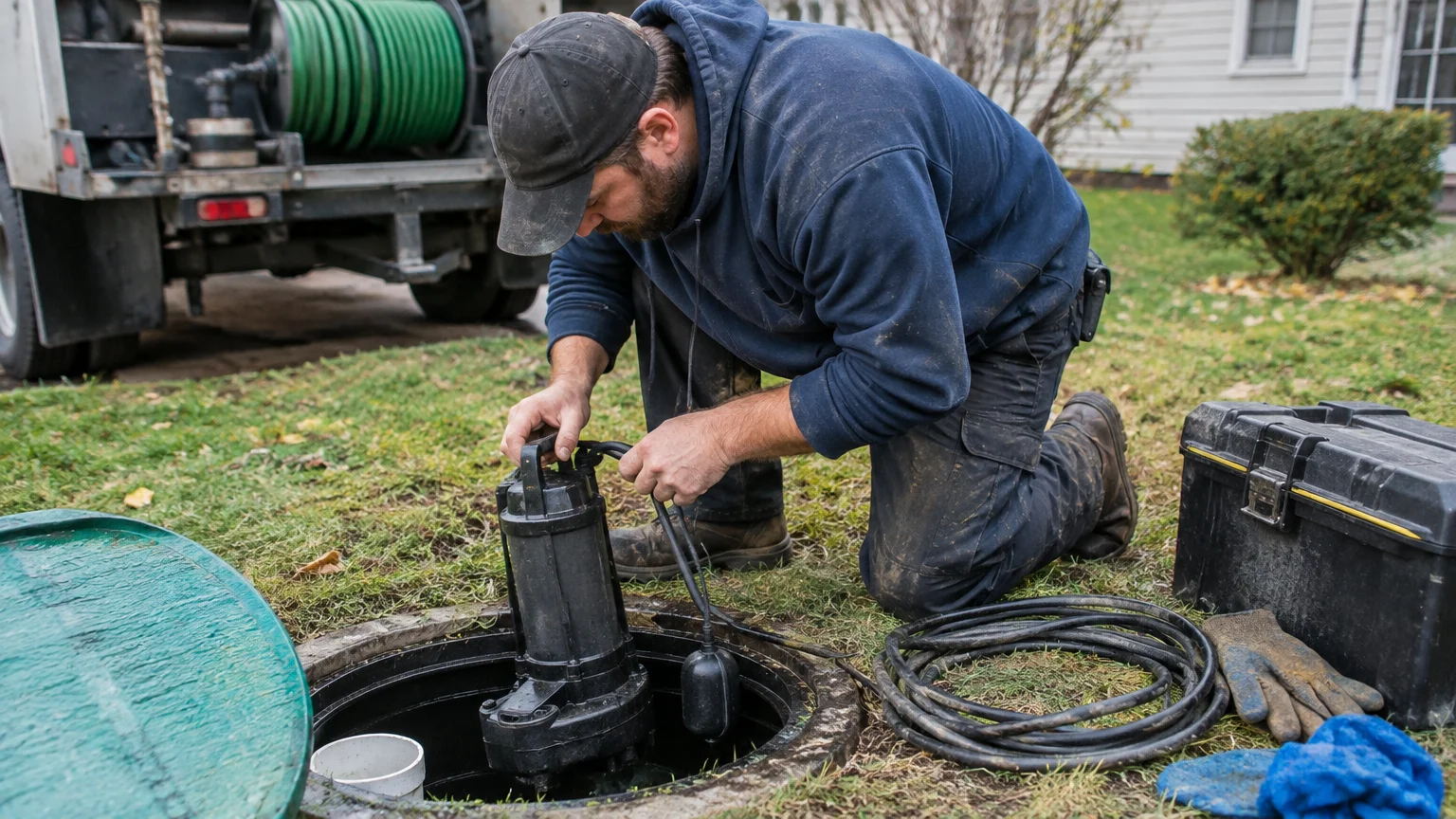
Labor also depends on the work area. A pump in an easy-to-reach tank may take less effort to remove. A pump beneath soil, concrete, shrubs, or a deck may need more work. Old pumps and dirty materials must also be handled safely.
Why can the quote differ from the first diagnosis?
An early diagnosis may happen before the tank is opened or wires are tested. Once the technician can see the pump chamber, more facts become clear. The quote may change if hidden damage, unsafe wires, or another failed part is found.
Ask what the first check included. Also ask what could change the repair plan. Septic Tank Pumping Monroe can help Monroe property owners compare the first diagnosis with the proposed work. The final cost should be confirmed in a written quote before work starts.
How does tank size affect pump replacement cost?
Tank size affects the pump choice, access time, and work around the system. Tank size alone does not decide the septic tank pump replacement cost. The pump must also match the layout, wastewater flow, lift height, and discharge distance.
A larger home or busy household may make more wastewater. That does not mean the largest pump is best. Equipment that is too large may cycle poorly, waste power, or put more stress on the system. The right pump comes from the system design and daily needs.
How is the right pump matched to the system?
A technician may check the pump chamber, pipe size, float settings, control panel, and discharge route. The pump’s flow rate and lift rating must work together. Flow rate tells how much wastewater the pump can move. Lift rating tells how high it can move that water.
The technician may also check the original permit, system records, or maker’s information. These records may show the intended pump type. If records are missing, the system may need a closer check before a replacement is chosen.
Tank size can also affect how easy it is to reach the pump. A deep tank may need longer tools and added safety steps. A large chamber may hold more wastewater during service. These details affect labor and preparation, not just the pump.
When does tank size create extra work?
Extra work may be needed when the pump chamber is deep or the lid is hard to remove. A homeowner should never enter a septic tank or pump chamber. Dangerous gas and low oxygen can cause serious harm.
Property owners can look for warning signs from above. They can keep the lid area clear and share system records with the technician. Septic Tank Pumping Monroe can review site conditions before suggesting the right replacement plan.
How does access affect septic pump replacement cost?
Access often changes the work more than homeowners expect. A pump near a clear riser is easier to inspect than one under soil, plants, a driveway, or a structure. Limited access may add digging, cleanup, equipment needs, and surface repair.
A riser is a pipe that brings a tank opening closer to the ground. Risers can make future inspections and pumping easier. Without one, the technician may need to find the lid and uncover it with care.
How do buried tanks and lids affect the work?
A buried tank may need careful digging before the pump can be reached. The technician may use records, probing tools, or other safe methods to find it. Homeowners should not dig deeply without care. Buried utility lines and tank lids can create hazards.
A septic tank lid should stay secure after service. A damaged or missing lid may need repair. It can let water into the tank or create a fall risk. A technician may suggest a riser if the opening is hard to find.
Plants, roots, fences, sheds, and stone can also limit access. Concrete and asphalt may need a different work plan than open soil. The quote should say whether surface removal or repair is included.
What can homeowners do before the visit?
Homeowners can move loose items, unlock gates, secure pets, and mark known utility lines. They can share the tank, cleanout, control panel, and power source locations if known. They should not remove electrical covers or open the tank without help.
A clear work area helps the inspection go smoothly. It also helps the technician find the real cause. If the property is in the Monroe area, from Downtown Monroe to nearby communities, local site conditions may guide the visit.
How does septic system type change the replacement cost?
The system type affects the pump, controls, alarms, and testing. A standard septic system may use different parts than an aerobic or advanced treatment system. The septic tank pump replacement cost may rise when several connected parts must work together.
A standard system sends wastewater from the home to a tank and then to a drainfield. Some systems use a pump tank when gravity cannot move water to the next stage. Advanced systems may use air pumps, treatment chambers, dosing controls, or other special parts.
How do conventional and advanced systems differ?
Standard systems often have fewer moving parts. Still, the pump must match the pipe layout and dosing plan. A dosing plan controls when wastewater moves to the next treatment area.
Aerobic systems use air and natural action to treat wastewater. They may include an air pump, blower, control panel, alarm, and timed settings. Replacing one part without checking the others may leave the system out of balance.
Advanced systems may also need maker-specific parts. The technician may need the model number, service records, or approval papers. The wrong part can cause poor treatment, alarms, or early failure.
What related parts may need attention?
A pump replacement may include testing float switches, alarms, check valves, wires, control panels, and discharge pipes. The technician may also check the pump chamber for dirt, rust, or damage. Each part has a different job, so the quote should name the suggested work.
The alarm is especially important. It warns the owner when the liquid level is too high or the power is off. Never ignore or silence an alarm without finding the cause.
Owners of rental homes and commercial properties should keep service records. These records help the next technician understand the system. They also help buyers plan future septic tank pumping and repair needs.
How does location affect septic tank pump replacement cost?
Location affects work conditions, permit rules, disposal needs, travel distance, and local system designs. Work in a busy area may have tight access and strict site rules. Rural work may involve long drives, private roads, or limited utility records.
Local rules can vary by state, county, and health office. Some systems need approval before certain repairs. Others may need an inspection, records, or a licensed worker. Ask which rules apply before approving the job.
Why do regional conditions matter?
Soil type can affect digging and surface repair. Clay, rock, wet soil, and steep ground may slow access work. Weather can also affect safe digging and electrical testing.
Local work conditions may differ between communities. Disposal services, tools, and permit steps can also vary. That is why online estimates may not match a specific property’s needs.
In the Georgia service area, a technician can explain local concerns. Septic Tank Pumping Monroe serves customers across Monroe and can help property owners understand what the site visit should cover.
What should property owners ask about local rules?
Owners should ask whether a permit, inspection, or approval is needed. They should also ask who will handle the papers and whether the work must follow maker instructions. A clear answer may prevent delays after the pump is replaced.
Buyers and investors should review septic records before closing. Ask when the system was last pumped, whether alarms occurred, and whether repairs were completed. These questions can reveal risks that a basic home inspection may miss.
What should a septic pump replacement quote include?
A useful quote should describe the problem, pump, labor, related parts, testing, and cleanup. It should also explain work that is not included. The final cost should be confirmed after the system is inspected and the needed work is clear.
A quote should not use vague words such as replace pump and repair system. Homeowners need enough detail to compare choices and understand the plan. The quote should name the equipment and explain why it fits the system.
Which items should appear in the quote?
A complete quote may include:
- The pump model, capacity, and expected use
- Removal and safe handling of the old pump
- Checks of floats, wires, valves, alarms, and controls
- Installation steps and connection checks
- Electrical and system tests after installation
- Tank access, digging, cleanup, and surface repair
- Permit, inspection, or disposal tasks when required
Not every job needs every item. The list shows what the quote covers. If a part is not included, the homeowner should know before approving the work.
What questions should homeowners ask?
Ask what caused the failure and whether the pump is the only problem. Ask how the new part matches the system. You can also ask how the system will be tested after installation. These questions help prevent confusion.
Ask what happens if hidden damage appears after work starts. The answer should explain how added work will be approved. A written change process helps homeowners, tenants, investors, and property managers.
After installation, the technician should confirm that the pump starts, stops, and moves wastewater properly. The alarm should be tested too. The homeowner should receive basic care tips and available equipment information.
When should you get a quote for septic pump replacement?
Request a quote when the pump fails, the alarm turns on, wastewater backs up, or the system has repeated trouble. Prompt checking matters because continued use can worsen the problem. A quote also helps when buying a property with an older or poorly recorded system.
Some signs need fast attention. Sewage smells, wet ground near the tank, slow drains, gurgling pipes, or wastewater near the drainfield may point to a larger issue. Keep people and pets away from sewage and unsafe ground.
What signs need professional evaluation?
Warning signs include:
- A high-water alarm that stays active
- Drains that slow after normal household use
- Sewage smells inside or outside the property
- Wet or unusually green ground near the system
- A pump that runs all the time or will not start
- Repeated breaker trips near septic equipment
A homeowner may check whether a breaker has tripped and whether an alarm has power. You can reduce water use while waiting for help. Do not open electrical panels, enter the tank, or handle sewage.
How can homeowners prepare for an accurate assessment?
Gather permits, pumping records, repair bills, equipment labels, and alarm details. Note when the problem began and whether it changes after heavy water use. This information helps the technician separate a pump failure from a drainfield or plumbing issue.
Provide safe access to the tank, pump controls, and electrical area. Tenants should tell the property owner or manager before approving major work. Investors and buyers should request a written report about the system condition.
Key Takeaways
- Septic tank pump replacement cost depends on parts, labor, access, testing, and system design.
- Tank size matters, but pump capacity must also match lift height and flow needs.
- Buried tanks, hard access, bad wires, and poor records may add work.
- Quotes should list the pump, related parts, installation, testing, cleanup, and exclusions.
- Alarms, backups, smells, wet soil, and constant pump operation need prompt checking.
Conclusion
A pump replacement is easier to plan when the owner understands the full system. The pump, tank, controls, wires, discharge line, and access all matter. A careful inspection gives the technician the facts needed to suggest the right repair.
Septic Tank Pumping Monroe can help property owners review warning signs and prepare for a clear assessment. Contact us to arrange a septic pump replacement evaluation.
Frequently Asked Questions
How long does a septic pump usually last?
A septic pump may last many years, but its life depends on use, water levels, care, power problems, and installation quality. Frequent cycling, blocked lines, or poor wires can shorten its life. A technician can check the pump and controls before suggesting replacement.
Can a homeowner replace a septic tank pump?
Most homeowners should not replace the pump themselves. The job may involve sewage, electrical wires, tight spaces, heavy equipment, and local rules. A homeowner can check for an obvious tripped breaker and reduce water use. Pump removal and testing should be handled by a qualified professional.
What is the difference between a septic pump and a septic tank?
A septic tank holds wastewater and lets solids settle. A septic pump moves liquid wastewater to another part of the system when gravity cannot do the job. Some properties have a pump tank separate from the main septic tank. The system design shows which part needs service.
How can someone find a septic tank lid?
A homeowner can review property records, look for cleanouts, and check older service notes. The lid may be near the home or along the line to the drainfield. Dig carefully because utility lines may be nearby. A professional can help find and uncover the lid safely.
Who installs septic tanks and replacement pumps near me?
Licensed septic professionals and approved installers handle septic tanks and pump replacements. The right provider depends on local rules, system type, and the needed repair. Property owners can ask Septic Tank Pumping Monroe about the inspection process, records, parts, testing, and required approvals.
If you are not sure what you are dealing with, it is worth having someone look at it before it turns into a bigger job. Get in touch with Septic Tank Pumping Monroe today and we will tell you where you stand.