Ridx septic tank treatment is sold as a product that may help septic tank bacteria break down some waste. It cannot remove all sludge, repair pipes, or replace septic pumping. Routine inspection, careful water use, and proper waste disposal remain the safest ways to protect a septic system in Monroe.
Table of Contents
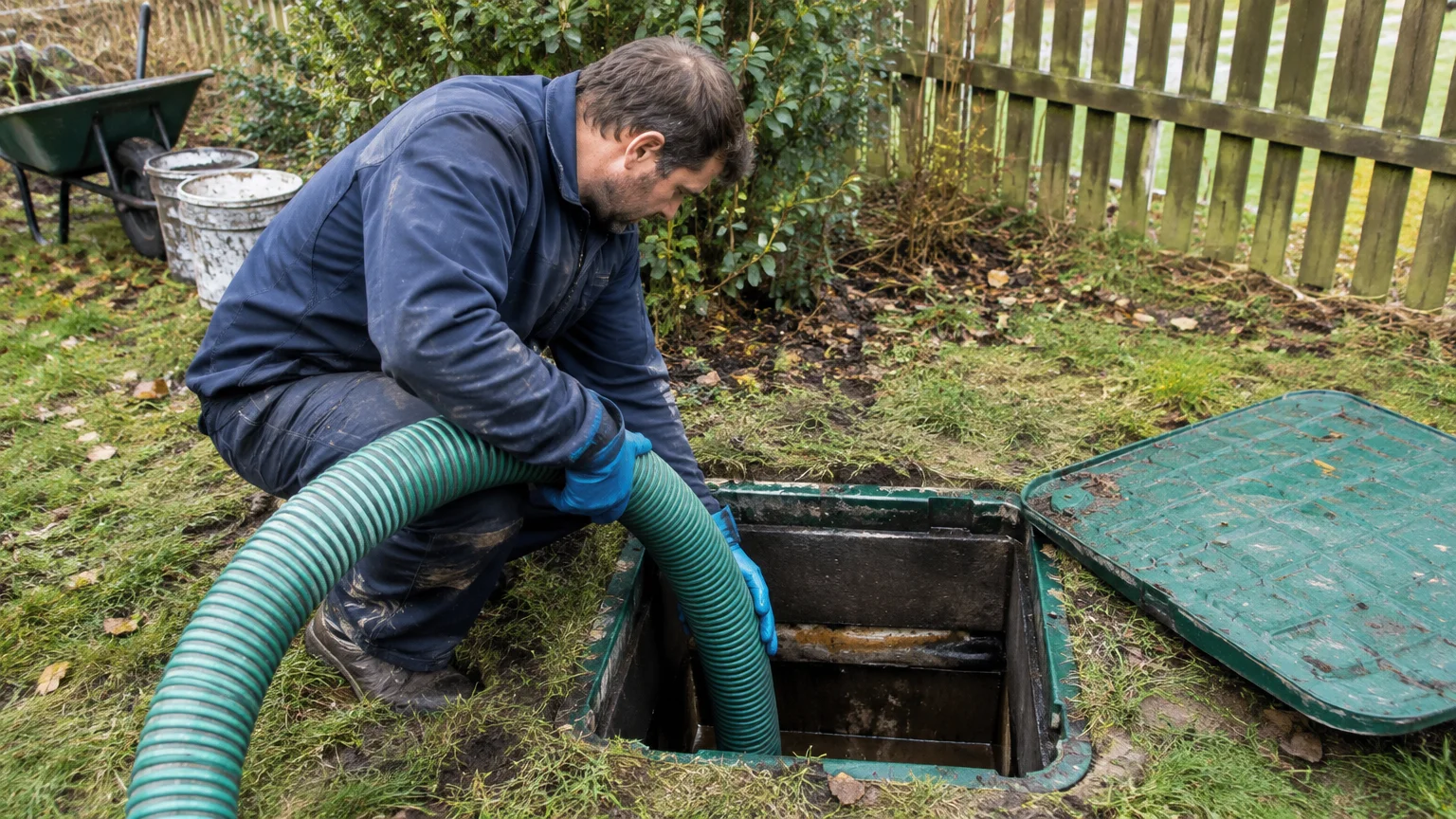
- What Is Ridx Septic Tank Treatment Supposed to Do?
- Does Ridx Break Down Septic Tank Solids?
- Can Ridx Improve Septic Tank Bacteria?
- Does Ridx Prevent Septic Tank Pumping?
- Can Ridx Fix a Slow Drain or Septic Backup?
- Is Ridx Safe for Septic Tanks and Drainfields?
- What Is a Safer Alternative to Septic Additives?
- What Should You Never Flush Into a Septic System?
- How Often Should a Septic Tank Be Inspected and Pumped?
- What Is the Final Verdict on Ridx Septic Tank Treatment?
- Frequently Asked Questions
What Is Ridx Septic Tank Treatment Supposed to Do?
Before using ridx septic tank treatment, read the current package label. The label may mention enzymes, bacteria, or other ingredients that help break down some waste. Directions and claims can change, so always follow the label that comes with the product.
What claims are commonly made about septic treatments?
Septic additives often claim to digest paper, fats, oils, and other waste. Some products also say they support the tank’s natural bacteria. These claims may sound useful, but they do not mean the product removes every solid in the tank.
A septic system already has a natural treatment process. Wastewater enters the tank, heavy solids sink, grease floats, and liquid moves toward the drainfield. Bacteria break down part of the waste. Some material still remains and must be removed through proper care.
Who may be considering this product and why?
A homeowner may look for Ridx after buying a home, seeing a slow drain, or learning that the tank has not been serviced. A tenant may hope an additive can prevent trouble without calling the property owner. Investors and business owners may also want a simple way to help an older system.
That concern is easy to understand. A septic tank is buried, so its condition is hard to judge from inside the home. Still, a product cannot replace records, an inspection, or septic tank pumping. Septic Tank Pumping Monroe helps property owners understand which care step may fit the system.
Does Ridx Break Down Septic Tank Solids?
Biological action may break down some wastewater parts, but septic tank solids can include material that stays behind. Heavy sludge settles at the bottom, while scum floats near the top. Both layers grow and must be checked and removed when needed.
What happens to solids, scum, and wastewater in the tank?
A septic tank gives wastewater time to separate. Toilets, sinks, showers, and washers send water into the tank. Heavy waste becomes sludge at the bottom. Grease and light waste rise into a scum layer. The middle liquid layer moves toward the drainfield.
The drainfield is the soil area that receives liquid from the tank. Soil helps filter that liquid before it moves farther underground. If sludge or scum leaves the tank, it can block soil spaces and reduce the drainfield’s ability to absorb water.
Ridx may affect some organic matter. However, breaking down part of the waste does not remove the full sludge layer. It also cannot restore soil that is already blocked. A change in odor or tank appearance does not prove that the whole system is healthy.
Why does biological activity not replace pumping?
Natural bacteria break down some waste, but they do not make all solids disappear. Hair, grit, minerals, plastics, and other items can remain. Waste that breaks down slowly may also collect faster than the tank can process it.
Pumping removes the material that bacteria cannot handle. It also gives a trained worker a chance to look for cracks, damaged parts, odd liquid levels, and drainfield trouble. That service is different from adding a product to a toilet.
Can Ridx Improve Septic Tank Bacteria?
A healthy septic tank usually has its own group of useful microbes. These natural organisms enter with household wastewater and work as conditions allow. Adding a treatment does not promise better treatment, faster flow, or a longer system life.
How does a healthy septic tank ecosystem work?
The septic tank ecosystem is the mix of microbes, wastewater, solids, heat, and air conditions inside the tank. Much of the tank has little oxygen. This means different bacteria work there than in open air. These organisms break down some waste as it moves through the system.
The system works best when it receives normal household wastewater and suitable waste. Large chemical changes can harm that balance. Strong cleaners, solvents, and other harsh liquids may hurt useful organisms, especially when they enter in large amounts.
A product that adds bacteria may not be needed in a normally used tank. It may also work differently based on temperature, waste load, and the tank’s existing biology. The label should not be treated as proof that the product can solve a plumbing or septic problem.
What household habits can disrupt natural bacteria?
Daily habits matter more than many owners expect. A leaking toilet, large laundry load, or long period of heavy water use can send too much water into the system. Extra water may move solids toward the drainfield before the tank has time to separate them.
Harsh cleaners, paint, fuel, drain openers, and solvents can also cause harm. Small normal amounts of some cleaners may pass through the system. Concentrated or repeated discharges are still a poor choice. Follow product labels and keep harmful liquids out of drains and toilets.
Does Ridx Prevent Septic Tank Pumping?
Ridx does not reliably prevent septic tank pumping. Additives may affect some waste, but sludge and scum still collect. Pumping remains the dependable way to remove material that could leave the tank and harm the drainfield.
Why do sludge and scum continue to accumulate?
Some household waste does not fully break down. Solids may include grit, fibers, food residue, and other material that settles in the tank. Fats and grease may also collect in the scum layer. As these layers grow, less space remains for wastewater.
The tank outlet often has a baffle or filter. This part helps keep solids from leaving the tank. It can become blocked or damaged. If the liquid level rises too high, solids may pass toward the drainfield.
An additive cannot measure sludge depth or confirm that the outlet works. It cannot inspect the tank wall, lids, inlet, outlet, or distribution parts. Those checks require a proper inspection.
What is the verdict on additives as a substitute for maintenance?
The answer is simple: an additive should not replace pumping, inspection, or good waste habits. Use it only as the current label directs. Also understand that its role is limited.
Keep service records and learn where the tank is located. Ask when it was last pumped and whether an inspection found concerns. Septic Tank Pumping Monroe can help Monroe property owners review signs that point to septic pumping or a closer system check.
Can Ridx Fix a Slow Drain or Septic Backup?
Ridx cannot be counted on to fix a slow drain or septic backup. These symptoms may come from a blocked pipe, full tank, damaged baffle, failed pump, or drainfield problem. The right response is diagnosis, not a trial of treatment products.
What may a slow drain or backup indicate?
One slow sink may have a local plumbing blockage. Several slow drains, gurgling toilets, sewage smells, or wet ground near the tank may point to a wider septic concern. A toilet that backs up after laundry or showers may also show that the system is struggling.
The symptom’s location matters. A blockage inside the home may need a plumber. A full tank may need pumping. A wet or failed drainfield may need a deeper inspection. These problems can look alike from a kitchen or bathroom.
Avoid repeated chemical drain cleaners. They may harm plumbing, enter the septic system, and make later checks harder. If sewage is present, keep children and pets away. Arrange qualified help promptly.
Why do symptoms require diagnosis rather than a treatment product?
A product acts on wastewater inside the tank. It cannot see a broken pipe, blocked outlet, collapsed line, or wet soil. Waiting for it to work may allow a small problem to grow.
A professional can check the liquid level, inspect parts that can be reached, and ask about recent water use. Share service records and explain when symptoms began. This helps separate a plumbing issue from a septic issue.
Is Ridx Safe for Septic Tanks and Drainfields?
Use Ridx only as directed on its current label. Do not assume every additive is safe for every system. A product may move from the tank through the outlet and toward the drainfield. Its effect depends on the ingredients, amount, tank design, and soil.
How can additives affect the tank and soil absorption area?
The drainfield, also called the soil absorption area, receives liquid from the tank. The soil filters that liquid. If the soil becomes coated with solids or harmed by too much water, wastewater may rise, pond, or move where it should not.
Some treatments may change the mix of organisms or the way solids break apart. That does not mean every system will be harmed. It does mean the product should be reviewed with care. Never use a treatment as a response to known failure signs without advice.
Read the full product label before use. The label does not replace local rules, an inspection, or guidance from a qualified septic worker.
What questions should a homeowner ask before using treatment?
Ask whether the tank is overdue for pumping and whether the system has a known design. Check for symptoms that may show a failure. Also see whether the product is meant for this type of tank.
Useful questions include:
- Has the tank been inspected or pumped recently?
- Are there slow drains, odors, wet spots, or sewage backups?
- Does the label explain the ingredients and limits?
- Could the product reach a private well, creek, or sensitive soil?
- Has a qualified worker advised using it for this system?
What Is a Safer Alternative to Septic Additives?
The safer choice is routine care based on water control, proper disposal, inspections, and pumping. These steps support the system without asking a product to solve problems it cannot see.
How do water conservation and careful disposal help?
Water conservation gives the tank more time to separate liquid and solids. Fix leaking toilets and faucets first. Spread laundry loads across several days. Avoid several large water uses at once.
Only human waste and toilet paper should go into the toilet. Wipes, paper towels, feminine products, diapers, cotton items, and dental floss belong in the trash. Put grease and cooking oil into a suitable container instead of down the drain.
Keep vehicles, sheds, pools, and heavy equipment away from the drainfield. Compacted soil absorbs less water. Deep-rooted trees may also harm underground pipes. Choose plants with the system layout in mind.
Why are approved maintenance practices more dependable?
Maintenance gives the owner useful information. An inspection may find a high liquid level, broken cover, blocked filter, or other concern. Pumping removes solids instead of trying to change them with an additive.
Records help owners, tenants, buyers, and investors. A record may show the tank location, service date, findings, and repairs. Septic Tank Pumping Monroe serves property owners across Monroe, including Downtown Monroe, Walnut Grove, Good Hope, Between, Loganville, and nearby areas. The team can explain the next practical care step.
What Should You Never Flush Into a Septic System?
A septic system should not receive items that do not break down easily. It should also not receive liquids that can harm treatment. Keeping these materials out protects the tank, pipes, outlet, and drainfield.
Which household products can harm treatment processes?
The following items should stay out of toilets and drains:
- Wipes, paper towels, tissues, diapers, and feminine hygiene products
- Grease, oils, fats, coffee grounds, and food scraps
- Paint, gasoline, pesticides, solvents, and vehicle fluids
- Prescription drugs, chemicals, and strong cleaning products
- Cat litter, pet waste, hair, dental floss, and cotton swabs
Even items marked flushable may not break down like toilet paper. The word describes how an item moves through a toilet. It does not prove that the item is safe for a septic tank. The trash is usually the better choice.
What everyday disposal choices protect the drainfield?
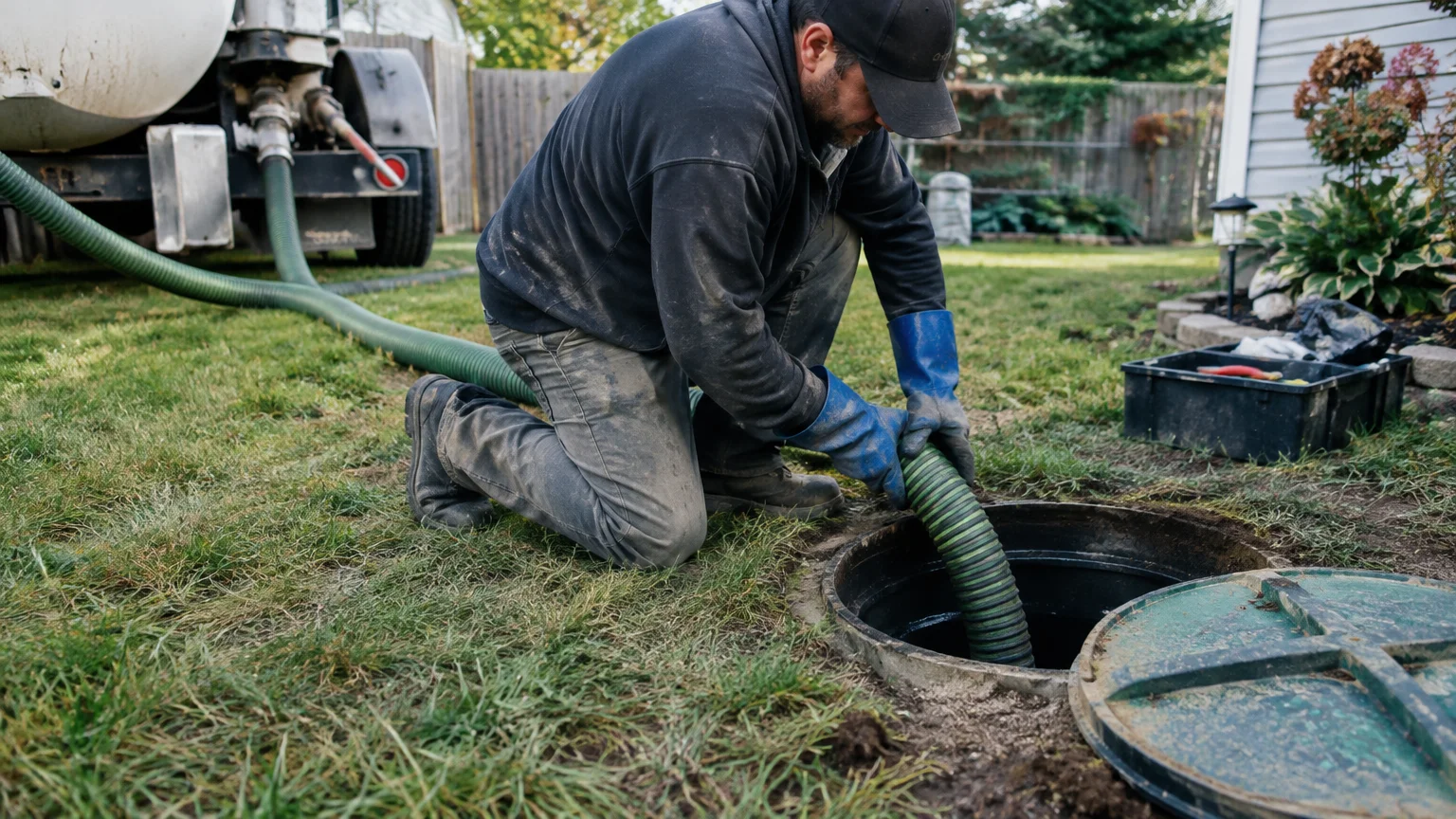
A covered trash bin helps keep bathroom waste out of the system. A separate container for cooking oil keeps grease out of pipes. Local household waste programs may accept paint, fuel, pesticides, and solvents.
A septic system is not a trash can or chemical disposal site. Good disposal choices reduce solids and harmful liquids entering the tank. They also help natural treatment work as well as possible.
How Often Should a Septic Tank Be Inspected and Pumped?
Inspection and pumping needs depend on tank size, household size, water use, waste load, and solids. A qualified worker should assess the tank instead of relying only on a product claim or calendar. Service records help show when care may be due.
Which factors affect maintenance timing?
A small tank serving many people may fill sooner than a larger tank serving fewer people. Frequent laundry, a garbage disposal, high water use, and long gaps between service can change the timing. Older systems and repaired systems may need closer checks.
New homeowners should ask for pumping and inspection records. If records are missing, an inspection can create a useful starting point. The worker may measure sludge and scum, check the outlet, and look for trouble.
The question of how deep a septic tank should be has no single answer. Depth depends on design, soil, slope, access, and local approval. Keep the tank accessible for inspection and pumping. Do not cover it with additions, pavement, or heavy landscaping.
What signs show that an inspection is overdue?
Warning signs include repeated backups, slow drains across the property, sewage smells, wet ground, bright grass over the drainfield, and water rising from a cleanout. These signs do not prove one failure. They do need prompt attention.
A perc test, or percolation test, measures how quickly soil absorbs water. It is usually used for septic planning or replacement work. It does not measure sludge in an existing tank. A septic inspection may be needed during a property purchase, after flooding, or when records are unclear.
What Is the Final Verdict on Ridx Septic Tank Treatment?
The final verdict is that ridx septic tank treatment is not a cure or a pumping substitute. It is not proof that a septic system is healthy. Use it only as the current label directs. The strongest care comes from inspection, pumping, careful disposal, and controlled water use.
When should a homeowner avoid relying on the product?
Do not rely on an additive when drains are slow, sewage is visible, odors are strong, the drainfield is wet, or service history is unknown. These signs call for diagnosis. A treatment cannot clear a broken line, remove a full sludge layer, or repair damaged soil.
Use the same care when buying a property. A clean yard does not prove that the septic system works well. Ask for records and arrange an inspection when the system’s condition is not clear.
What is a practical maintenance plan?
A simple plan can help protect the system:
- Learn where the tank, lids, pipes, and drainfield are located.
- Keep non-flushable items, grease, and harsh chemicals out.
- Fix leaks and spread heavy water use across several days.
- Keep service and repair records in one safe place.
- Arrange inspection or pumping when records, measurements, or symptoms show it is needed.
Key takeaways:
- Ridx may support claims about bacteria or waste breakdown, but it does not remove all sludge and scum.
- Septic additives cannot replace pumping, inspection, or repairs.
- Slow drains and backups need diagnosis before treatment products are used.
- Water control and careful disposal help protect the tank and drainfield.
- Service records give owners better guidance than product claims alone.
For local help with septic care, Contact us to speak with Septic Tank Pumping Monroe about the next step.
Frequently Asked Questions
What is a septic system?
A septic system treats wastewater from a property without a public sewer line. Wastewater enters a buried tank, where solids sink and lighter material floats. Liquid then moves to a drainfield for soil treatment. The tank, pipes, outlet, and drainfield must work together.
How deep should a septic tank be?
Septic tank depth depends on the tank design, soil, slope, pipe layout, and local approval. The tank should be deep enough for safe installation but easy to reach for inspection and pumping. Do not cover access lids or guess the depth before digging.
How far does a septic tank need to be from a house?
The required distance depends on local health rules, site conditions, tank design, and the septic permit. A professional or local permit office can confirm the approved layout. Use the permit or site plan instead of relying on a general distance online.
Who performs a perc test?
A qualified soil professional, septic designer, engineer, or other approved specialist may perform a perc test. Local rules decide who may do the work. The test checks how soil absorbs water for septic planning. It does not measure sludge or replace an inspection.
Can Ridx replace septic tank pumping?
No. Ridx cannot replace septic tank pumping. Additives may affect some biological activity, but sludge, scum, grit, and other solids can remain. Pumping removes collected material, while an inspection checks the tank, outlet, and signs of drainfield trouble.
If you are not sure what you are dealing with, it is worth having someone look at it before it turns into a bigger job. Get in touch with Septic Tank Pumping Monroe today and we will tell you where you stand.