How does a drain field work? A septic drain field takes partly treated wastewater from the tank and spreads it through buried pipes or chambers. The liquid then moves into the soil, where soil particles and tiny living things help treat it. In Monroe, knowing this process can help property owners spot trouble and protect the system.
Table of Contents
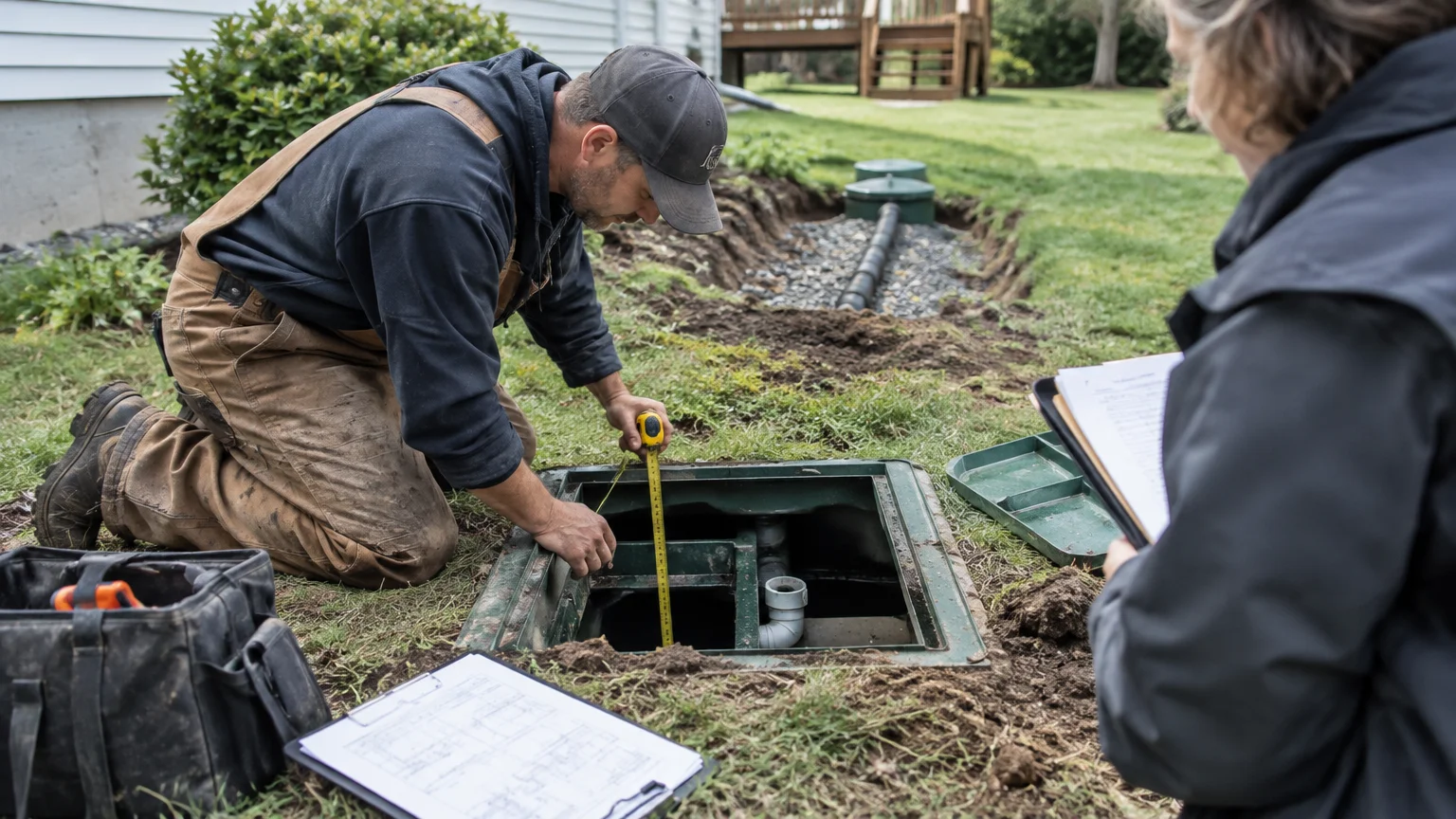
- What Is a Septic Drain Field?
- How Does Wastewater Move Through a Drain Field?
- How Does Soil Treat Wastewater in a Drain Field?
- How Do the Septic Tank and Drain Field Work Together?
- What Affects How a Drain Field Is Designed?
- What Are the Signs a Drain Field May Not Be Working Properly?
- What Are Common Misconceptions About Drain Fields?
- Frequently Asked Questions
What Is a Septic Drain Field?
A septic drain field takes liquid from a septic tank and releases it into the soil for more treatment. People also call it a leach field or leach bed. It is usually made of buried pipes or chambers set in prepared soil.
Where the drain field fits in a septic system
A septic system treats household wastewater on the property. It does not send wastewater to a public sewer. A septic tank is a buried container that holds wastewater. Solids sink to the bottom, and lighter material rises to the top. Liquid between those layers flows toward the drain field.
The drain field is the soil treatment area that receives this liquid. It is not the tank, and it does not store all household waste. Its job is to spread the liquid so the soil can help treat it as it moves down.
Drain field layouts can vary from one Monroe property to another. Some use pipes in gravel-filled trenches. Others use chambers made to spread wastewater. Soil and site conditions help decide which design fits.
What a drain field is designed to do
A drain field spreads wastewater across a suitable area at a steady rate. This gives the soil time to filter some particles. Tiny soil organisms can also act on some waste. The soil is part of the treatment process, not just a surface the liquid passes through.
A working field helps keep wastewater from pooling on the ground or moving toward buildings and nearby water. It needs open space to work. Heavy buildings and vehicles can harm the field. The tank and soil both need to work well for the system to treat household wastewater as intended.
How Does Wastewater Move Through a Drain Field?
Wastewater leaves the septic tank through an outlet pipe and enters pipes or chambers in the field. Small openings let liquid seep into nearby soil. Most systems use gravity to move wastewater. Some use a pump.
From the septic tank to the distribution pipes
The septic tank slows the flow from the home. Heavy solids settle at the bottom, while grease and other light material may float at the top. Liquid leaves through an outlet that helps keep much of this material in the tank.
From there, wastewater enters the field through a pipe. Some systems have a distribution box, which directs flow to different parts of the field. Drain field piping is set up to spread wastewater rather than send it all to one spot. Other systems use chambers instead of gravel-filled trenches. A drain field chamber is a hollow structure that holds wastewater and lets it pass into nearby soil.
Most systems rely on gravity. A site with a certain slope or layout may need a pump to move wastewater. If the tank is deep or the system layout is hard to understand, a trained septic professional can help find its parts. Tank location and depth differ by property and design.
Wastewater’s path through the system
The path is simple to picture: home drains → septic tank → outlet pipe → distribution pipes or chambers → soil. This is a guide to the process, not a plan of a specific property. Some systems also have a pump or distribution box.
Wastewater leaves the tank in small amounts as new water enters the system. Pipes spread it through the field, and the soil takes it in below the surface. If pipes clog, too much water enters, or soil cannot take in the liquid, flow may slow or rise toward the ground.
How Does Soil Treat Wastewater in a Drain Field?
Soil treats wastewater as liquid moves through its layers. Soil particles can hold back some material, while tiny living things help break down some waste. Soil type and condition affect how well this process works.
How wastewater filters through soil
Soil below and around the field acts as a natural treatment layer. As liquid moves through it, soil particles can hold back some material. The spaces between those particles also affect how fast water moves. Water that moves too fast may not get enough treatment. Water that moves too slowly may pool or drain poorly.
The soil where wastewater enters must be suitable for treatment. A drain field is not just a place where liquid disappears. If soil is too wet, packed down, or blocked, it may not take in wastewater as it should.
A perc test, or percolation test, checks how fast water moves through soil at a possible site. A qualified soil evaluator or another approved local professional may do or oversee the test. Local rules decide who can do this work. The test is one part of reviewing a site, not a full system plan or approval.
How soil organisms help reduce contaminants
Soil contains tiny living organisms that use some waste as food. They help break down certain contaminants as wastewater passes through the soil. This natural process works best when soil is suitable, has air spaces, and receives a flow it can handle.
Soil treatment does not mean every harmful substance disappears. A septic system needs to be used and cared for as intended. Wastewater should not be treated as safe drinking water. Keeping grease, medicines, chemicals, and other unsuitable items out of drains helps protect the tank, field, and soil.
How Do the Septic Tank and Drain Field Work Together?
The septic tank holds wastewater and separates much of its solid material before liquid reaches the drain field. The field spreads that liquid into the soil for further treatment. The tank helps protect the field from excess solids, while the field completes an important part of wastewater treatment.
Why the tank separates solids before wastewater reaches the field
When a tank works as intended, settled solids and floating material stay inside instead of flowing into the field. Solids build up over time, so the tank needs pumping. Regular septic tank pumping removes that buildup before it can reach outlet pipes or the field.
If too much solid material leaves the tank, it can clog pipes or the soil where wastewater enters. That damage may be hard to fix. Pumping needs depend on the system and how people use it. Owners should follow professional advice and local rules instead of guessing.
How household water use affects the system
Water from sinks, toilets, showers, and washing machines can enter the septic system. A large amount of water at once can send wastewater through the tank faster than usual. This puts added strain on the field. Spreading laundry over different days and fixing leaks can help limit extra water.
Homeowners do not need a professional for simple, safe habits. They can use less water, keep vehicles off the field, and look for wet spots from a safe distance. But opening a tank, entering it, or digging near pipes is not a safe household task. Septic gases and other hazards can cause serious harm. A trained professional should check concerns that need inspection or repair.
What Affects How a Drain Field Is Designed?
A drain field design depends on soil, slope, open space, and other site conditions. Local rules also affect which designs are allowed. A qualified designer or local authority can explain what suits a particular property.
Soil conditions, slope, and site layout
Soil type and how it takes in water matter. The site also needs enough suitable space for the field and access for future care. A steep slope, shallow soil, high groundwater, or nearby features may affect where the field can go and how it is built.
A new home or replacement system may need soil tests and a site review before work starts. Local rules decide who may do a perc test. Property owners can ask the local health department which professionals are approved. A perc test shows how water moves through soil, but it is only one part of system planning.
The tank’s location and burial depth also depend on the property and system design. There is no single depth for every tank. Owners should check system records or ask a qualified professional before digging or trying to find buried parts.
Why system designs and local requirements can vary
Each property is different, so one lot’s design may not suit another. Some systems use trenches with drain field pipes. Others use chambers or another approved design. Local officials set or apply rules for placement, permits, and building work.
Septic Tank Pumping Monroe helps Monroe property owners understand how a pumping or service visit fits into the larger system. Pumping removes buildup from the tank, but it does not fix every field problem. A professional needs to check symptoms and system conditions before suggesting next steps.
What Are the Signs a Drain Field May Not Be Working Properly?
Slow drains, sewage smells, or unusually wet ground near the field may signal a problem. These signs can have more than one cause, so they do not prove the field has failed. A qualified septic professional can check the whole system and look for the likely cause.
Slow drains, sewage odors, and unusually wet ground
Property owners may notice warning signs such as:
- Several household drains are slow or backing up.
- Sewage smells linger near the tank or field.
- Ground over the field feels unusually wet or spongy.
- Wastewater or sewage appears on the surface.
- Grass over one area grows faster or looks greener than nearby grass.
One slow sink may have a local plumbing clog. Several slow drains may point to a wider problem. Wet ground can also follow heavy rain or other site conditions. The pattern, place, and timing of signs matter. Keep people and pets away from suspected sewage, and do not touch or walk through it.
Why symptoms need professional assessment
A septic professional can review system records, check parts that are safe to access, and look for a blockage, tank issue, or field problem. The right next step depends on what they find. Drain field repair, sometimes called a leach field fix, can mean different work from tank pumping. Not every symptom means the field needs replacement.
Owners should not dig up the field or open the tank to investigate. Tanks can hold dangerous gases, and digging can damage buried equipment. If sewage reaches the surface, keep people away and contact a qualified septic professional or the local health office for advice. A prompt check can help limit contact and keep a small concern from getting worse.
What Are Common Misconceptions About Drain Fields?
A drain field is not just a buried pipe or a place to pour unwanted liquids. It is a planned soil treatment area. The tank, pipes, soil, and careful water use all work together. Regular care and good habits help protect the system.
Why a drain field is not simply a buried pipe or disposal area
People may use the terms leach field, septic drain field, and sewer leach field for the soil treatment area connected to a septic tank. The names may differ, but a septic drain field is not a public sewer. It is part of a private system that treats wastewater on the property.
The field is not a safe place to drive, build, or send roof and yard water. Heavy loads can pack the soil or harm buried parts. Extra water from downspouts or sprinklers can leave the area too wet. A system plan can help show where the tank and field are. If you wonder how to find a drainfield, check the property records or ask a septic professional rather than digging at random.
How routine care and appropriate water use help protect the system
Simple habits can reduce strain on the system. Fix leaking taps and toilets, spread heavy water use over time, and put only suitable waste down household drains. Do not flush wipes, grease, or other items that can add solids or block pipes. Follow professional advice about pumping and inspection based on system use and condition.
Owners do not need a professional for these everyday habits. They should call a qualified professional for sewage backups, lasting odors, wet ground, or work near buried parts. Septic Tank Pumping Monroe can explain how septic pumping fits into care for the full system. A field concern may need a separate check.
Key takeaways
- The septic tank separates much of the solid waste from wastewater.
- Pipes or chambers spread tank liquid into the drain field.
- Soil and tiny organisms help treat wastewater as it moves through the ground.
- Water use, soil, and site design all affect how the system works.
- Odors, wet ground, and backups need a professional assessment.
Conclusion
A drain field works with the septic tank to move and treat household wastewater. The tank separates much of the solid material, and the field spreads liquid into the soil. Good water habits can help protect the system, but signs of trouble need a proper check. For help with a septic tank pumping or service concern, Contact us at Septic Tank Pumping Monroe.
Frequently Asked Questions
What is a septic tank?
A septic tank is a buried container that holds household wastewater. Heavy solids sink, and lighter material may float. Liquid between those layers flows toward the drain field. The tank does not complete all treatment by itself; the soil and field are also key parts of the system.
How deep is a septic tank buried?
There is no one depth for every septic tank. Its position depends on the tank design, the property, and where pipes enter and leave. Owners can check system records or ask a qualified professional to locate it. Do not dig without knowing where buried parts and utilities are.
Who performs a perc test?
Local rules decide who may do or oversee a perc test. It may be a qualified soil evaluator, engineer, or another approved professional. The local health department can explain the rules for a particular area. A perc test checks how water moves through soil, but it is only one part of a site review.
Can a homeowner fix a drain field?
A homeowner can protect a drain field with safe habits, such as fixing household leaks and keeping vehicles off the field. Digging, opening a septic tank, and repairing buried pipes should be left to trained professionals. Sewage and septic gases can be dangerous, and a wrong repair may cause more harm.
Does septic tank pumping fix a failing drain field?
Pumping removes built-up solids from the septic tank, but it cannot fix every drain field problem. A blocked pipe, damaged part, poor soil, or excess water may need a different response. A professional should check the tank and field before deciding what work is needed. A backup or wet field needs prompt attention.
If you are not sure what you are dealing with, it is worth having someone look at it before it turns into a bigger job. Get in touch with Septic Tank Pumping Monroe today and we will tell you where you stand.