The difference between cesspool and septic tank systems is how they hold and release household wastewater. A cesspool collects waste in one chamber and lets liquid seep into nearby soil. A septic system separates waste in a tank, then sends liquid to a separate drainfield for more treatment. Knowing which system serves your Monroe property helps you plan care and ask useful questions.
Owners, buyers, and tenants may hear both terms during a sale or inspection. The words can sound alike, but the systems work in different ways. Knowing what is on a property can help people plan maintenance and avoid unsafe guesses. In Monroe, records and a careful inspection can help confirm the system type.
Table of Contents
- What is the difference between a cesspool and a septic tank?
- What is a cesspool, and how does it work?
- What is a septic tank system, and how does it work?
- How do the parts of each system work together?
- What are the main differences in design and wastewater treatment?
- Are cesspools and septic tanks maintained differently?
- Which system is safer for people and the environment?
- Can a cesspool be replaced with a septic system?
- What are common misconceptions about cesspools and septic tanks?
- How can you identify which system a property has?
- Frequently Asked Questions
What is the difference between a cesspool and a septic tank?
A cesspool uses one chamber to hold waste and release liquid into nearby soil. A septic tank holds wastewater while solids settle, then sends liquid to a separate area for soil treatment. A septic tank is just one part of a septic system. The full system also needs an area that safely handles the liquid.
Waste containment versus treatment and dispersal
A cesspool is a buried chamber that receives wastewater from a building. Liquid may seep through openings in its walls or through the ground below. Solids stay inside and build up over time. This design does not have the separate tank and drainfield found in a typical septic system.
A septic tank is a sealed container. Heavy solids settle to the bottom, while lighter waste can float near the top. The liquid between these layers leaves through an outlet pipe. It usually flows to a drainfield, also called a soil absorption area, where soil helps filter and treat it.
The terms can be confused because both systems sit underground and receive wastewater. Older property records may also use broad or outdated words. A buried tank or concrete cover does not show which system is present. The parts and flow path need to be checked.
The exact layout can vary from one property to another. Local rules, the system’s age, the soil, and the space available can all affect its design. Septic Tank Pumping Monroe can help explain why records and a proper inspection matter before an owner identifies a system as a cesspool or septic system.
What is a cesspool, and how does it work?
A cesspool is an underground pit or chamber that collects wastewater and lets liquid seep into nearby soil. It may have porous walls, openings, or an unlined base. Solids build up inside, while liquid can leave through the sides or bottom.
The basic structure and path of wastewater
Wastewater from toilets, sinks, showers, and other drains flows through a pipe into the cesspool. Heavy material settles at the bottom. Grease and other light material may form a layer near the top. Liquid between these layers can pass into nearby soil, depending on the chamber’s design and condition.
Older cesspools may be made from stone, brick, concrete blocks, or other materials. Some are simple pits, while others have built walls. Their shape and materials can differ, even on nearby properties. That is why an owner should not identify a system based only on what a neighbor has.
A cesspool does not have a separate drainfield in the usual septic-system layout. The ground around the pit receives the liquid. If the soil cannot absorb it, or the pit is full or damaged, wastewater may rise, back up, or reach the surface.
How it differs from a modern treatment system
A cesspool is not the same as a septic system with a tank and drainfield. Its design does not separate waste collection from the release of liquid in the same way. A cesspool may still serve an older property, but that does not prove it meets current rules or is safe to keep using.
The U.S. Environmental Protection Agency describes cesspools as underground wastewater systems that can put drinking water at risk if they are poorly located or cared for. Owners should check state and local rules instead of assuming a system is allowed because it has been there for years. Rules can depend on the system type and its location.
What is a septic tank system, and how does it work?
A septic tank system handles household wastewater in stages. Wastewater enters a tank, where solids settle or float. Liquid then flows to a drainfield. Soil in that area helps treat the liquid as it moves down through the ground.
The tank, outlet, and soil absorption area
A typical system has a pipe from the building, a septic tank, an outlet, and a drainfield. The tank is a watertight container. The drainfield is a group of pipes or other approved parts set in soil or a designed treatment area. It spreads wastewater so it can soak in slowly.
Septic tanks can be buried at different depths. There is no one depth for every property. Soil, climate, system design, and local rules all affect where a tank sits. A septic tank riser is an access tube that brings an opening closer to the ground. It can make inspections and pumping easier.
The drainfield needs suitable soil and enough space to work. Cars, buildings, and heavy equipment can damage buried parts or press the soil together. Owners should learn where the tank and field are before doing yard work or making property changes.
How solids and wastewater are separated
Inside the tank, heavy solids settle at the bottom as sludge. Grease and other light material may float and form a scum layer. The clearer liquid between these layers leaves through the outlet. Baffles or filters may help keep solids from entering the drainfield.
The tank does not make wastewater clean enough to release anywhere. It is one part of a larger system. The drainfield and soil also help manage the liquid that leaves the tank. If solids enter the field or the soil cannot absorb water, the system may fail.
A property’s system size depends on its design and expected use. It is not based on a simple rule that fits every home. A three-bedroom home, for example, still needs a system that meets local rules and site needs. Owners should check permits, plans, or a qualified inspection rather than guess.
How do the parts of each system work together?
A cesspool receives wastewater and releases liquid into soil near the same chamber. A septic system uses separate steps: the tank holds and separates waste, then the drainfield spreads liquid into soil. This layout affects where treatment happens and which parts need care.
Cesspool and septic system flow comparison
The flow paths can be shown in a simple text diagram:
- Cesspool: Home drains → cesspool chamber → liquid seeps into nearby soil; solids remain in the chamber.
- Septic system: Home drains → septic tank → outlet pipe → drainfield → soil treatment.
This comparison is a guide, not a site plan. Real systems may also have filters, pumps, distribution boxes, or other parts. Some properties use a designed treatment system because soil conditions or space call for a different layout.
What happens after wastewater leaves the house
In both designs, wastewater starts in the plumbing inside the building. It moves by gravity or, in some systems, with help from a pump. A plumbing clog can look like a septic issue, so the source of a problem needs to be checked.
When wastewater reaches a cesspool, the chamber both holds waste and releases liquid into nearby ground. In a septic system, wastewater first stays in the tank. The outlet carries liquid to the drainfield, where it spreads into the soil.
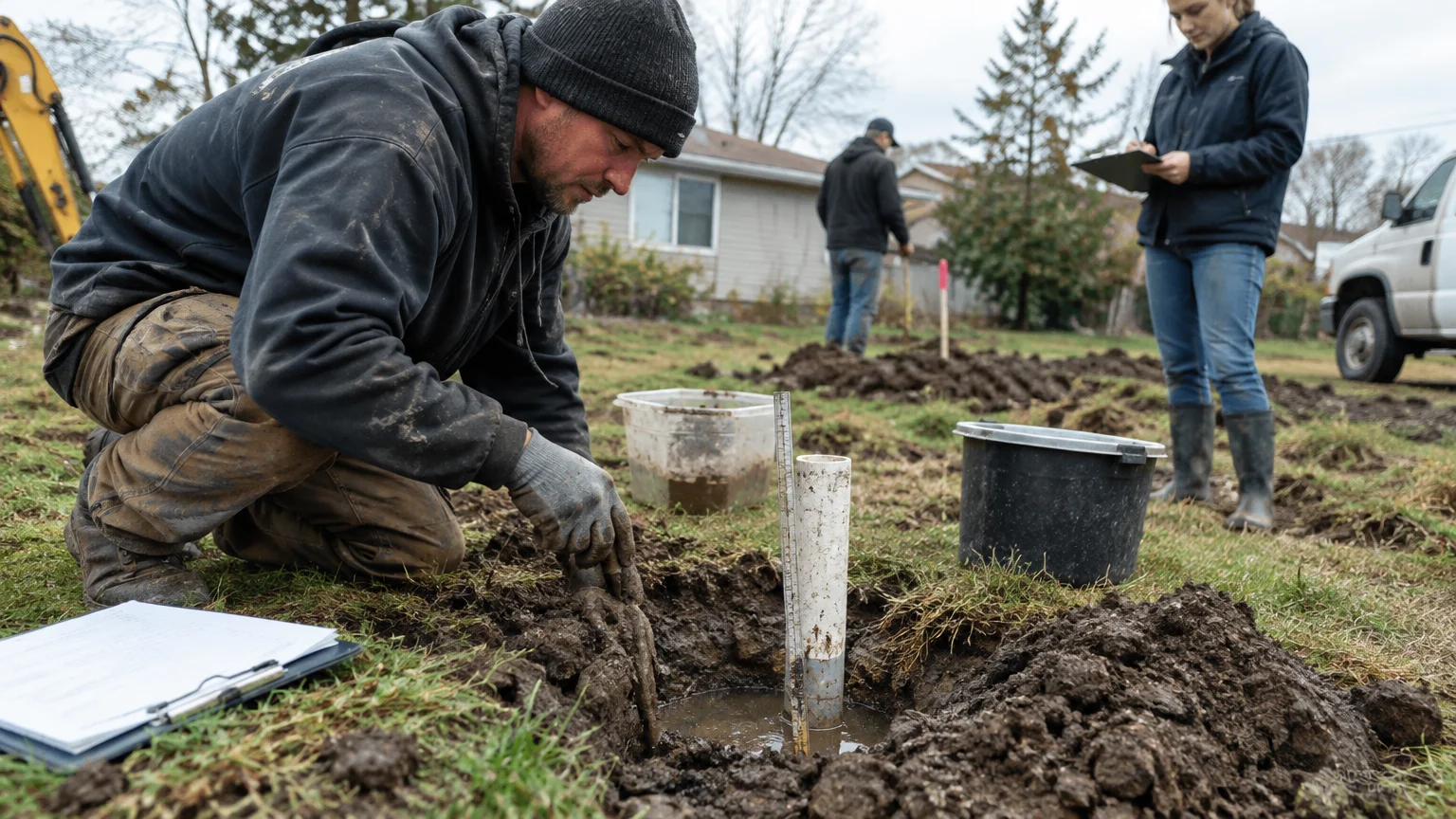
Soil is not just empty space around buried equipment. Its layers and condition affect how water moves and how well treatment can happen. Soil that is too wet, packed down, or unsuitable can limit system choices. A perc test is a soil test that checks how quickly water drains. Local officials use site results and rules to review system plans.
What are the main differences in design and wastewater treatment?
A cesspool uses one chamber to collect waste and let liquid move into nearby soil. A typical septic system separates collection from dispersal. Its tank holds solids, while a separate drainfield spreads liquid through soil for more treatment.
Containment, settling, treatment, and dispersal
The septic tank gives solids room to settle and lighter material room to float. This helps limit the solid waste that moves toward the field. The drainfield spreads liquid across a wider area. Natural processes in the soil help treat wastewater as it moves through the ground.
A cesspool separates these steps less. Wastewater enters one chamber, and liquid can pass into soil close to that chamber. The amount of treatment depends on the design, soil, and condition. A worn or damaged cesspool may release waste in ways that create greater risks.
Why a septic tank usually has a separate drainfield
A separate drainfield gives wastewater more area to soak into the ground. This can keep all the liquid from reaching the soil in one spot. The field still needs a design that fits the site. It also needs protection from heavy use that could harm it.
Neither system can be identified by its cover or depth alone. A septic tank may sit deep enough that its lid is not visible. A cesspool may also have a buried cover. A professional can review records and use safe tools to find and identify buried parts.
A septic system is not a sewer connection. It handles wastewater on the property, and its parts depend on one another. If the tank, outlet, or field fails, the whole system may have trouble. Regular checks can help owners notice changes before they become a larger problem.
Are cesspools and septic tanks maintained differently?
Both systems need care, but the right steps depend on their design and condition. Septic systems often need tank inspections and pumping as solids build up. Cesspool care may include checking the chamber and its condition. Local rules may limit or ban continued use of a cesspool.
Pumping, inspections, and signs of trouble
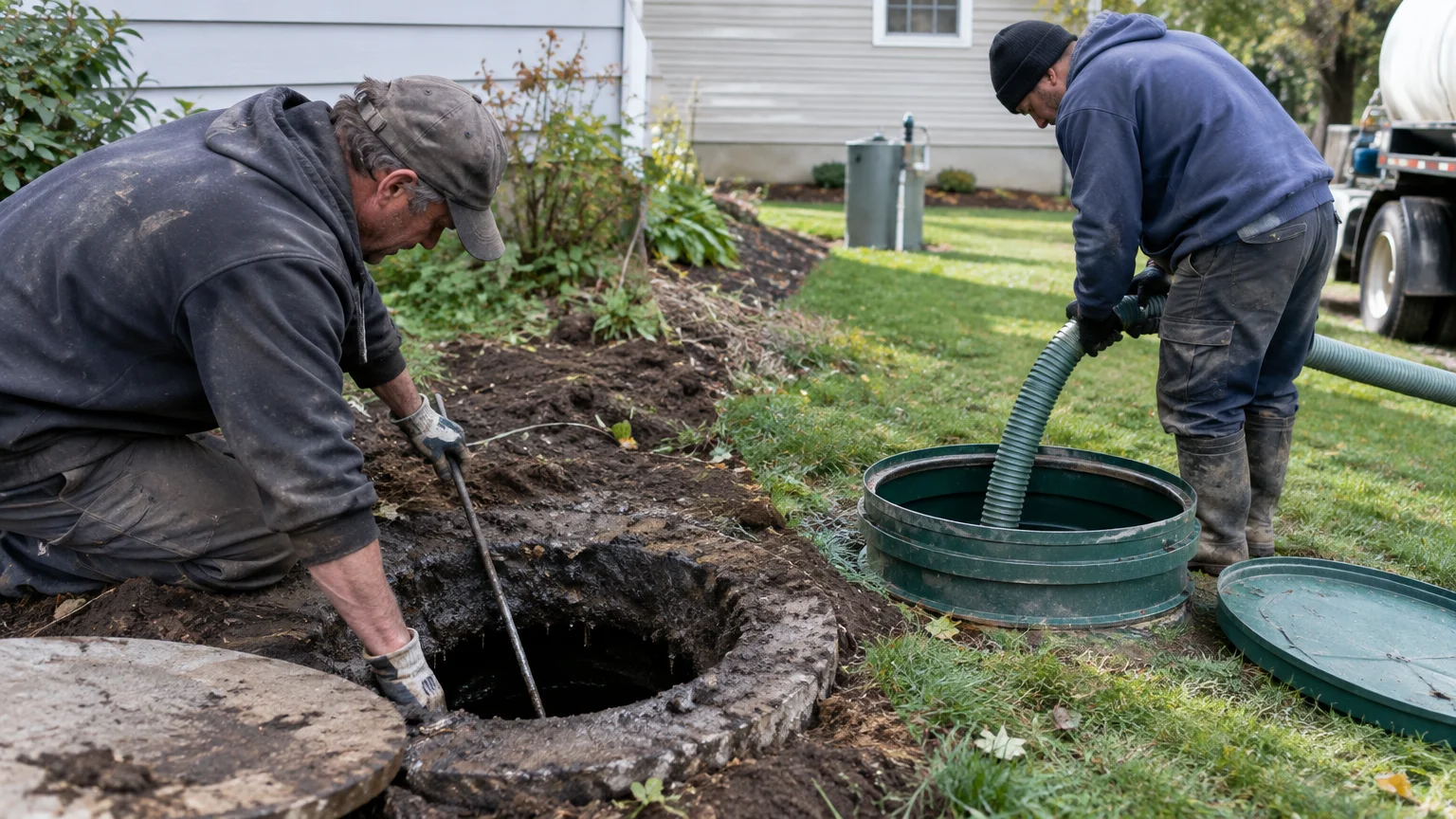
Septic tank pumping removes built-up solids and scum from the tank. It does not fix a damaged tank or repair a failing drainfield. A trained service provider can inspect the system and explain what the findings mean. Pumping needs depend on tank size, household use, and system condition.
Owners can safely handle some simple upkeep themselves. They can keep records, learn where system parts are, use water carefully, and keep cars off the tank and drainfield. They should not open a tank, climb inside, or try to pump it. Septic tanks can hold toxic gas and may not have safe air to breathe.
Watch for warning signs such as:
- Slow drains or backups that affect several fixtures.
- Wet, soft ground near the tank or drainfield.
- Wastewater smells inside or outside.
- Unusual green growth over a drainfield during dry weather.
- Alarms or pump trouble in a system with electrical parts.
One sign alone does not prove the cause. A plumbing blockage, broken pipe, high groundwater, or system failure can cause similar problems. A prompt inspection can help find the source and limit contact with wastewater. If water backs up or sewage reaches the surface, keep children and pets away.
Why care depends on use and condition
A home with more people or heavier water use may place more demand on its system. A leak can send extra water into the tank. Grease, wipes, and other unsuitable items can cause trouble too. Owners should follow maker guidance and local health department advice.
The EPA recommends regular septic system checks and pumping based on the system and household. It does not suggest one schedule for every property. Its septic system overview explains basic care and why needs differ. For an older cesspool, ask local officials which rules apply before arranging routine service.
Septic pumping is one part of maintenance, not a fix for every issue. If there is a backup, an owner may need help finding out whether the cause is a clog, tank problem, or drainfield issue. For urgent signs, ask a local provider about emergency pumping and whether 24/7 service is available. Do not enter or open the system while waiting for help.
Which system is safer for people and the environment?
A well-designed, working septic system can help treat wastewater before it moves through soil. A damaged, poorly placed, or overflowing cesspool can create more risk of contact or groundwater pollution. Actual risk depends on the system, soil, nearby water, and the condition of its parts.
How leaks, backups, and discharge create risks
Wastewater can carry germs and other pollutants. Contact with sewage can make people sick. A backup inside a building, wet ground over a system, or wastewater on the surface needs quick attention. Keep children and pets away, and do not touch or walk through sewage.
The location of a private well, stream, or other water source matters. Soil can filter wastewater, but it cannot make every system safe in every place. Shallow groundwater, floods, poor soil, and a damaged chamber can raise concerns. Local health officials can advise owners about testing and rules.
The EPA notes that poorly designed or failing septic systems can affect nearby water and public health. Its septic system guidance explains how the tank and drainfield work together. Owners should not assume the ground around a buried system is safe just because there is no smell.
Why the condition and site both matter
A system that looks fine from the surface may still have hidden damage. A lid can be sound while a pipe is broken. A drainfield can be blocked under the grass. Inspection records and a qualified review give better information than appearance alone.
A system’s age does not tell the whole story either. A newer system can fail if it is damaged or used poorly. An older system may still work, but local rules may limit repairs or continued use. If a property has a cesspool, ask the local health department about its status and any needed steps.
Can a cesspool be replaced with a septic system?
A cesspool may be replaced, but options depend on the property and local approval. Soil, groundwater, lot size, nearby wells, access, and the condition of existing parts can affect the design. A qualified designer or local health department can explain what may be allowed on the site.
Site conditions that affect replacement options
A septic system needs a suitable place for its tank and treatment area. If a lot is small, steep, wet, or close to a well, a standard layout may not fit. A soil test and site review can show which designs may work. Some properties may need a different approved treatment system.
The existing cesspool should not be treated as a ready-made septic tank. Its material, size, location, and condition may not suit a new system. Reuse, closure, or removal depends on local rules and a professional review. Owners should not fill or change a cesspool without approval.
Why local health department requirements matter
Rules for onsite wastewater systems differ by state and local area. Permits may be needed for a replacement, repair, or change in use. Local officials can explain tests, setbacks, design reviews, and inspections. Getting approval before work starts can help prevent a system that cannot be accepted.
A buyer, investor, or current owner can gather property records and ask whether permits or inspection reports exist. In Monroe, requirements may differ from one property to the next. Septic Tank Pumping Monroe can answer questions about septic tank pumping and system care. The proper local authority decides whether a replacement plan can be approved.
What are common misconceptions about cesspools and septic tanks?
A buried system is not automatically safe, and no smell does not prove it works well. A cesspool and a septic system are not two names for the same design. Their parts, wastewater paths, and local rules need to be checked before anyone makes a choice.
Misconceptions about treatment, odors, and age
One common mistake is thinking a septic tank fully cleans wastewater. The tank separates waste, but the drainfield and soil are key parts of treatment. A tank with no working outlet or field cannot do the whole job by itself.
Another mistake is assuming a cesspool is harmless because the ground looks dry. Trouble may be hidden underground or may appear only in wet weather or during heavy use. A system can also have a plumbing backup without a strong smell. Warning signs need to be checked rather than ignored.
Some people use the word “cesspool” as an insult for a dirty or corrupt place. That use is not a technical name for a wastewater system. In everyday speech, “the political cesspool” is a harsh phrase, not a type of septic equipment. The system meaning is an underground chamber that receives wastewater.
Why a cover or buried tank does not prove system type
A concrete lid, access riser, or buried opening can be part of different systems. A septic tank riser brings an access point closer to the surface. It does not show whether a property has a drainfield, and it does not prove that the tank works well.
People may also think a system that has worked for years needs no care. Parts can wear out, soil can clog, and household use can change. Records and inspections help explain what is present and how it works. Owners should not lift heavy covers or enter a tank to investigate.
How can you identify which system a property has?
Start with local permits, system plans, and inspection reports. These records may show whether a property has a cesspool, a septic tank and drainfield, or another approved system. If records are missing or unclear, a qualified professional can locate and inspect the system safely.
Records, inspection findings, and property clues
A property file may include a site plan, permit, repair record, or past inspection report. Local health departments may hold some records, but access and details vary. A seller or landlord may also have paperwork. Ask for copies and check that they match the property.
A professional may use a probe or electronic locator to find buried parts. They can check safe access points and look for an outlet pipe or drainfield. They may also note clues in the yard, such as a long field area or an old chamber location. These clues can guide an inspection but do not replace records or direct checks.
A septic tank may be buried several feet below the ground, but there is no set depth for every tank. Do not dig at random to find it. Utility lines, loose ground, and heavy lids can make searching unsafe. A riser or marked plan can make access easier when the system has one.
Questions buyers, owners, and tenants should ask
Before relying on a guess, ask what type of system serves the property and where its parts are. Buyers can request inspection records and check whether permits match the layout. Owners should keep a clear map of the system for future work. Tenants can ask who handles service and what to do if a backup occurs.
Useful questions include:
- Is the system a cesspool, septic tank system, or another design?
- Are there permits, plans, pumping records, or inspection reports?
- Where are the tank, access points, and drainfield?
- Have there been backups, repairs, or wet ground?
- Which local office can confirm the system’s status and rules?
Clear answers can help people avoid damage and plan the right next step. If records are not available, say so instead of guessing. A professional inspection and a check with local officials can help fill in the gaps.
Frequently Asked Questions
What is the definition of a cesspool?
A cesspool is a buried chamber or pit that receives wastewater and lets liquid seep into nearby soil. Solids collect inside. Unlike a typical septic system, it does not use a separate tank and drainfield for settling and dispersal. Its design and legal status can vary by location.
What is the difference between a cesspool and a septic tank?
A cesspool collects waste and releases liquid into nearby soil from one chamber. A septic tank holds wastewater and separates solids from liquid. The liquid usually flows to a separate drainfield for more soil treatment. The tank is only one part of the full septic system.
How can someone find a buried septic tank?
Start with property plans, permits, and service records. If they do not show the location, a qualified professional can use safe locating methods. Avoid digging at random or lifting a heavy cover. Buried utility lines, unstable soil, and harmful tank gases can make searching unsafe.
How deep is a septic tank buried?
There is no standard depth for every septic tank. Soil, system design, climate, and local rules affect its placement. Some tanks have risers that bring access points closer to the ground. Property plans or a professional locator are safer ways to find a buried tank.
What is a septic tank riser?
A septic tank riser is a tube or extension that connects a tank opening to a point closer to the ground. It can make the lid easier to find for inspections and pumping. A riser does not change how the tank handles wastewater, and it should have a secure cover.
Key takeaways
- A cesspool holds waste and releases liquid into nearby soil from one chamber.
- A septic system separates waste in a tank and sends liquid to a drainfield.
- Soil, system condition, and local rules affect safety and replacement choices.
- Owners can keep records and protect the field, but should not enter or open a tank.
- Property records and a safe inspection are better than guessing the system type.
Conclusion
Cesspools and septic systems both handle wastewater on a property, but their designs differ. A cesspool uses one chamber to collect waste and release liquid. A typical septic system separates solids in a tank, then sends liquid to a separate drainfield for soil treatment. Records and a safe inspection can help show which system a property has and what care it needs.
For questions about septic pumping or system care, Contact us at Septic Tank Pumping Monroe. We can discuss the property’s needs and help you understand the next step.
If you are not sure what you are dealing with, it is worth having someone look at it before it turns into a bigger job. Get in touch with Septic Tank Pumping Monroe today and we will tell you where you stand.