Drain field designs guide treated wastewater from a septic tank into the soil. The right design depends on the soil, land shape, water flow, and local rules. Learning about the main types can help Monroe property owners notice warning signs, protect their system, and know what to ask when trouble appears.
A drain field concern can be stressful when a home or business depends on a septic system. This guide explains how the field works, what common symptoms may mean, and what steps to take. Septic Tank Pumping Monroe can help property owners understand when septic pumping, an inspection, or more testing may be needed.
Table of Contents
- What is a septic drain field, and what does its design do?
- What are the main types of septic drain field designs?
- Which warning signs can point to a failing drain field?
- What do drain field symptoms mean?
- What commonly causes drain field failure?
- What should you do when you notice drain field problems?
- When is a drain field problem urgent?
- How do professionals diagnose a drain field issue?
- How does drain field design affect repair or replacement options?
- How can you help prevent drain field failure?
- Key takeaways
- Frequently Asked Questions
- Conclusion
What is a septic drain field, and what does its design do?
A septic drain field is the part of a septic system that moves wastewater into soil for more treatment. It is also called a leach field or leach bed. Its design sets the route, depth, and layout of the pipes or chambers that carry water away from the tank.
How wastewater moves from the septic tank into the soil
Wastewater first flows from the building into the septic tank. The tank holds the waste so heavier solids can settle and lighter material can float. Partly treated water then leaves through an outlet and moves toward the drain field. Perforated pipes, or chambers with open bottoms, spread the water across a planned area.
Soil beneath and around the field helps filter the wastewater. This layer is part of the treatment system, not just a place for water to drain. If soil cannot take in water, or wastewater reaches the surface, the system may not be working as planned. Never touch wastewater from a drain field.
Why soil conditions and site layout influence the design
A designer must learn how quickly soil takes in water and how deep suitable soil goes. They also need to consider groundwater and rock below the surface. Land slope, nearby wells, buildings, trees, and water sources may affect where the field can go. Local health rules and permits help guide the final plan.
A perc test is a soil test that checks how quickly water moves through the ground. It can help guide the design, but it is only one part of the review. The tank size, number of people using the property, and daily water flow matter too. Tank depth and burial place differ from site to site, so use records or a qualified inspection instead of guessing. Septic Tank Pumping Monroe serves property owners who want to understand how the tank and field work together.
What are the main types of septic drain field designs?
The main septic drain field designs include trenches, beds, chambers, mounds, and other approved systems. The right choice depends on the land and local approval. No one design suits every property. Do not change a field before checking its plans and permit needs.
Conventional trenches and bed systems
A trench system has narrow runs of drain field pipe set in prepared soil. Wastewater travels along the pipes and seeps through openings into the soil. Several trenches may share the flow. A bed system spreads wastewater across one wider area instead of using separate narrow runs.
The best layout depends on the space and soil. Trenches may fit a lot where a wide bed will not. A bed may work better for a site with a different shape or design need. Both types rely on sound pipes, suitable soil, and protection from heavy loads.
Chamber, mound, and alternative designs
A drain field chamber is a hollow part that holds and spreads wastewater underground. Chambers can take the place of some gravel layouts, but local rules and site conditions guide that choice. Chambers still need good soil and careful setup. They cannot solve poor drainage on their own.
A mound system raises the treatment area above the natural ground. It may be used when soil depth or water conditions rule out a standard field. Other approved systems may use special filters or moving parts. These designs need their own care plan, and some use pumps or controls that need checks.
The phrase drainfield for septic tank can mean any field linked to a tank. It does not name one exact layout. Find the approved plan before digging, planting, or planning work. The design can affect future repairs, so a drain field install should follow local review and work by a qualified designer.
Which warning signs can point to a failing drain field?
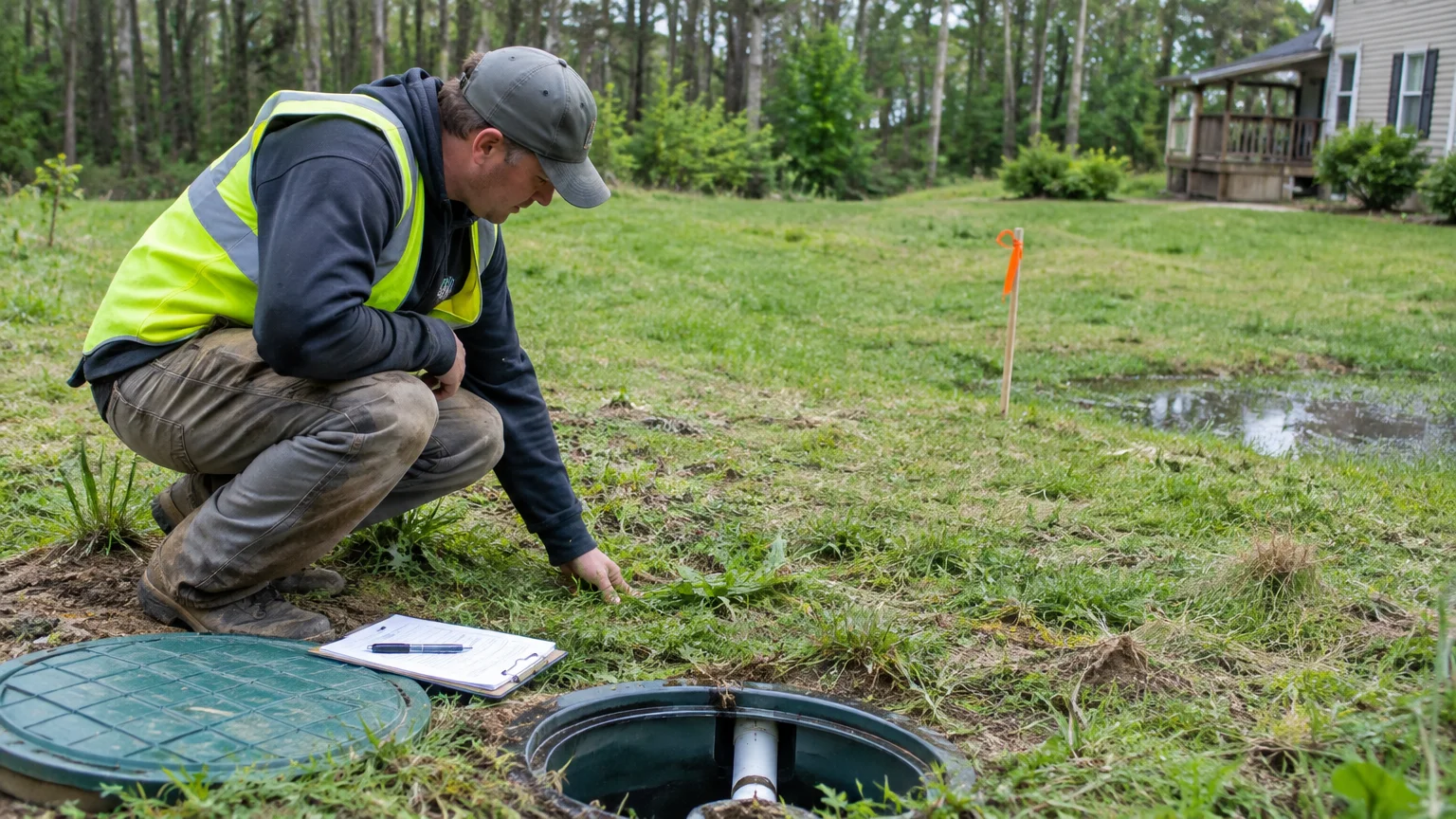
Slow drains, sewage smells, plumbing backups, wet ground, and sewage on the surface may point to a drain field problem. Other parts of the system can cause these signs too. One symptom does not prove the field has failed, but several signs together need prompt attention.
Slow drains, sewage odors, and plumbing backups
A slow sink, tub, or toilet may have a clog in that fixture or its nearby pipe. When several fixtures slow down at once, the problem may be farther along the plumbing or septic system. Gurgling sounds and repeat backups need attention, especially when other warning signs appear too.
A sewage smell inside or outside may mean a vent, tank, pipe, or field needs a check. Smell alone cannot show where the problem is. Do not lean over an open tank or try to look inside it. Septic tanks can hold dangerous gases, so trained workers should handle them.
Wet ground, unusually green grass, or sewage surfacing
A soggy patch above the field during dry weather may mean water is not draining as it should. Grass that looks much greener in one small area can be a clue as well. Rain, shade, or watering may cause similar changes, so the place and pattern are important.
Sewage or dark, foul-smelling water coming to the surface is a serious warning. Keep people and pets away. Do not drive or mow over the area, and do not let children play there. Mark the spot from a safe distance and arrange an evaluation. In Monroe, heavy rain or wet soil can affect how a field works, so note recent weather when you report symptoms.
What do drain field symptoms mean?
Drain field symptoms show that wastewater may not be moving or soaking into the soil as it should. They do not tell you the exact cause. A blocked pipe, full tank, broken part, plumbing clog, or wet ground can create signs that look alike.
How to distinguish a drain field problem from a plumbing or tank issue
A problem in one sink or toilet may be a local plumbing clog. Signs in many fixtures may point to a shared pipe or septic system issue. A tank with too much solid waste may need service, while wet ground over a field may point to poor drainage or another fault. These are clues, not a final answer.
A professional may review service records, check plumbing that is easy to reach, and look at system flow. Septic pumping may be needed if the tank condition calls for it. But pumping alone will not fix broken drain field pipes or restore soil that no longer takes in water. The tank and field need to be viewed as parts of one system.
Why one symptom alone cannot confirm system failure
Wet ground can appear after a storm. A bad smell may come from a dry plumbing trap. Slow drains may be caused by a household clog. When symptoms began, where they appear, and how many fixtures are affected can help narrow down the cause.
Write down when each sign began and whether it changes after rain or heavy water use. Photos from a safe distance can help show if a wet patch is growing. Do not open covers, dig, or use drain chemicals as a test. Those steps can create safety risks or make the issue harder to judge.
What commonly causes drain field failure?
Drain field failure can follow too much water, poor care, or soil that stays wet. Roots, vehicle weight, and design or setup problems may also play a part. Several causes can happen together, so check the system before planning repairs.
More likely causes: overloading, poor maintenance, and soil saturation
Too much water entering the system at once can overwhelm the tank and field. A leaking toilet, several loads of laundry, or a large gathering may add more flow than the system can handle. Fix leaks when you can do so safely, and spread water-heavy chores across different days.
Poor maintenance can let solids build up in the tank and move toward its outlet. Pumping needs depend on tank size, use, and household habits, so one schedule will not fit every property. Past service records can help set a plan. Wet soil after rain or a high water level can also slow drainage.
Other causes: root intrusion, vehicle traffic, and design or installation problems
Roots may grow into joints or damaged pipes while seeking water. Cars and heavy equipment can press down soil or break buried parts. Keep traffic off the field even when the ground looks firm. Sheds, decks, and paved areas can block access or change how water moves.
A field placed or built poorly may not work well from the start. A property can also change over time. Additions, new paving, or changed drainage can affect the system. If you ask about septic tank designs or what size tank a home needs, the answer depends on approved plans, building use, and local rules. A tank cannot make unsuitable soil work.
What should you do when you notice drain field problems?
When drain field problems appear, use less water, keep people away from the area, and arrange a qualified system check. Do not dig or try to fix buried parts. Safe steps and clear notes can help a professional find the cause without adding damage.
Reduce water use and protect the affected area
Pause laundry, long showers, and other heavy water use until the system is checked. Fix a running toilet or leaking tap if you can do so safely. Keep grease, wipes, and harsh chemicals out of drains. These steps do not repair a failed field, but they can reduce extra strain.
Keep children, pets, vehicles, and equipment away from wet or suspect ground. Do not cover it with soil or try to pump water out of it. Water on the surface may carry germs. If sewage has entered a living space, keep people away from the affected material and get suitable cleanup advice.
Record symptoms and arrange a professional septic system evaluation
Write down what happened, when it began, which fixtures are affected, and whether rain or heavy water use came first. Note recent plumbing work or changes to the property. Find the septic plan, tank records, and permits if they are easy to reach. Do not dig to find the tank; records or a trained locator are safer.
A septic professional can assess the tank, field, and visible signs. Next steps may include pumping, a plumbing check, or more testing. Septic Tank Pumping Monroe can help property owners talk through the signs and arrange a suitable evaluation. The right service depends on what a check finds, not on one symptom alone.
When is a drain field problem urgent?
A drain field problem is urgent when sewage backs up into a building or reaches the ground surface. These events can expose people and pets to harmful germs. Use affected plumbing as little as possible, stay clear of sewage, and seek prompt professional help.
How to respond to sewage backing up or surfacing
If sewage backs up, keep people away from the affected rooms and do not touch the water. Do not flush toilets or run taps unless a professional tells you to. If sewage is outside, keep a safe distance and keep pets away. Do not wash it into a storm drain or nearby water.
Tell the septic professional where the problem is, which fixtures are affected, and whether wastewater is visible. If water is near electrical equipment, do not enter the area. Contact the proper utility or emergency service for help. Never open a tank lid; hidden openings and gases can cause serious harm.
Health and environmental risks of delaying action
Untreated wastewater may carry germs that can make people sick. Water on the surface may reach play areas, wells, ditches, or nearby water. Avoid contact with sewage, and make sure any dirty area is handled safely. Children and pets may be more likely to touch or step in wet ground.
Even when sewage is not visible, repeat backups can harm floors and belongings. Waiting can let a small plumbing issue turn into a larger system problem. The safest response is to limit water use, keep people away, and have the source checked. Urgent symptoms do not always mean the drain field is at fault. They mean the system needs quick attention.
How do professionals diagnose a drain field issue?
Professionals use records, tank checks, site clues, and tests that fit the system. They look for the cause instead of assuming every backup means field failure. The steps depend on the system type and the signs that are present.
Reviewing system records, tank condition, and site symptoms
A service provider may ask for the system plan, permit details, past pumping records, and a history of symptoms. They may check tank parts that are safe to reach and look for signs of damage or a blockage. If pumping is needed, it may help with some checks, but it does not prove the field is working well.
The professional may ask about the people in the home, water use, plumbing work, and recent storms. For a three-bedroom home, bedroom count alone cannot show what size tank is needed. Local rules, expected use, and the approved plan matter too. The same is true when asking how deep a septic tank should be or how it should be buried. Use site plans and safe locating methods instead of guessing.
Assessing soil, drainage, and the existing drain field design
The provider can compare the visible signs with the field layout and water flow across the site. They may check whether water runs toward or away from the field. They may also ask whether trees, traffic, or building work changed the area. Soil checks or other tests may be needed if the cause remains unclear.
The existing design matters because trenches, beds, chambers, and mound systems work in different ways. A repair that fits one type may not fit another. Ask what evidence supports the diagnosis and which choices fit the approved plan. Clear findings can help prevent needless digging or work that misses the cause.
How does drain field design affect repair or replacement options?
Drain field design helps decide which repairs may work and whether a replacement can use the same layout. A small, local problem may allow a limited repair. Poor soil, changes to the site, or wide damage may call for a new design. An evaluation is needed to choose the right path.
When a localized repair may be possible
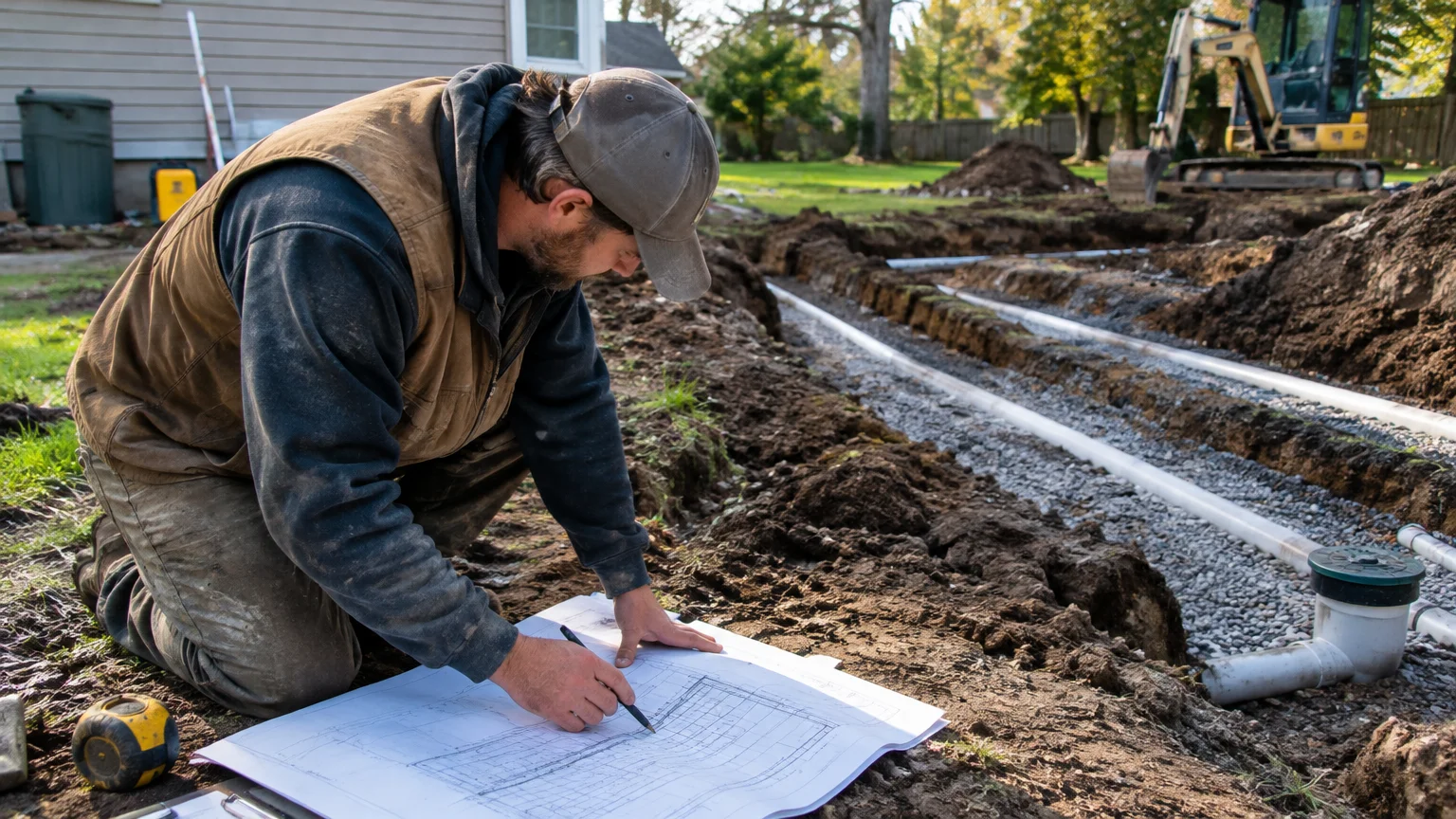
A repair may be limited when the problem is in one place, such as a damaged pipe that can be reached or a specific blockage. The design plan helps locate parts and protect areas that still work. A professional must make sure the soil and remaining field can still handle the wastewater.
Not every wet patch means the whole field needs replacement. Pumping a tank will not fix a broken pipe or a field that cannot take in water. A careful check is important before repair work begins. Ask which part failed, how the planned work will address it, and what care the system will need afterward.
When site constraints may require a redesigned system
A replacement may need a new layout if the old field is badly damaged or the site has changed. Open space, shallow soil, slopes, trees, wells, and nearby buildings can limit the choices. Local approval may also call for new plans or tests before work starts.
The cost to replace a drain field depends on access, system type, soil work, permits, and the amount of damage. A small repair is usually less involved than a full replacement. A new drain field install may need design work and site preparation as well. The final cost is confirmed on a quote based on the property’s findings. Ask for a written work plan and compare what each plan includes instead of relying on a general figure.
How can you help prevent drain field failure?
Careful water use, regular tank care, and protection of the field can lower the chance of avoidable trouble. These steps cannot stop every failure, especially when soil or old damage is involved. Still, steady maintenance helps the system work within its design limits.
Use water carefully and keep vehicles, roots, and structures away
Fix leaks and spread laundry across the week instead of sending a large rush of water into the system. Use toilets and drains for waste and toilet paper only. Keep grease, wipes, medicines, and harsh cleaners out of the system. Small daily choices help protect the pipes and tank.
Keep cars, trailers, sheds, pools, and heavy tools off the drain field. Do not plant trees or large shrubs nearby unless a qualified professional confirms that the spot is safe. Keep roof drains and surface water from flowing across the field. These steps help protect soil and buried pipes from pressure and extra water.
Follow a septic inspection and pumping schedule suited to the system
Have the system checked and pumped when its tank size, household use, and condition call for it. A professional can help set a schedule from service records and inspection results. Keep a simple file with service dates, repairs, permits, and a site plan. Those records help future owners and service providers understand the system.
Before buying a home, ask where the tank and field are, what design was approved, and when the system was last checked. If the location is unknown, use records or qualified help instead of digging. Owners can also ask Septic Tank Pumping Monroe what details to gather before a septic service visit.
Key takeaways
- A drain field spreads wastewater into suitable soil for more treatment.
- Soil, site layout, tank condition, and water use shape the design.
- Slow drains, odors, wet ground, and backups are clues, not proof.
- Sewage inside or on the ground calls for quick action and distance.
- Use less water, protect the field, and arrange a qualified check before repairs.
Frequently Asked Questions
What is the difference between a leach field and a drain field?
They are common names for the soil treatment area connected to a septic tank. Some places or service providers use one name more often than the other. Both terms describe an area that spreads wastewater into suitable soil. The layout may use trenches, a bed, chambers, or another approved design.
How deep should a septic tank be buried?
There is no one depth for every septic tank. Burial depends on the approved design, land grade, tank type, pipe slope, and local rules. Do not uncover or expose a tank by digging based on a guess. Check system records or ask a qualified professional to find it safely.
How can someone find a buried septic tank?
Start with property records, permits, or a system plan. These may show where the tank and field sit. If records are missing, a septic professional can use safe ways to locate them. Do not probe or dig at random. Buried pipes and lids can be damaged, and an open tank can be very dangerous.
What size septic tank does a three-bedroom house need?
Bedroom count can help with planning, but it does not give the whole answer. Local rules, expected water use, building type, and drain field design also matter. Use the approved plan or ask the local permitting office and a qualified septic professional before changing a system.
Can a drain field be repaired instead of replaced?
Sometimes a limited repair can fix one problem, such as a damaged pipe in one place. A field with widespread damage or poor site conditions may need larger repairs or a new design. Inspection and testing can help show which choice fits. Pumping alone will not fix a broken or failing field.
Conclusion
Drain field designs differ, but every working system needs suitable soil, sound parts, and careful use. Backups, odors, and wet ground deserve attention, especially when several signs appear together. Keep people away from sewage, use less water, and do not dig or drive over the field.
For help understanding septic warning signs or arranging an evaluation, Contact us at Septic Tank Pumping Monroe. Share what you noticed and any system records you have so the next step can fit the property. You can also learn about our Septic Tank Pumping Monroe services.
If you are not sure what you are dealing with, it is worth having someone look at it before it turns into a bigger job. Get in touch with Septic Tank Pumping Monroe today and we will tell you where you stand.