Slow drains, sewage smells, wet ground, or wastewater backing up can mean a septic tank needs attention. How do you know when septic tank needs pumping? These signs can point to a full tank, but a blockage or other fault may cause them too. An inspection can help find the cause and protect the system.
Table of Contents
- How does a septic system work?
- What are the signs a septic tank needs pumping?
- How can you tell whether a problem is a full tank or a blockage?
- How often should a septic tank be inspected and pumped?
- How do the tank, baffles, and drainfield work together?
- What should you do when you notice warning signs?
- What are common misconceptions about septic tank pumping?
How does a septic system work?
A septic system treats wastewater from a home that does not use public sewers. The system has a buried tank and a drainfield, also called a leach field. Wastewater from sinks, toilets, and other plumbing flows into the tank. Partly treated liquid then moves into the soil, where it is filtered further.
What happens to wastewater inside the tank?
Inside the tank, heavy waste sinks to the bottom, while fats and oils float. The settled layer is called sludge. The floating layer is called scum. Effluent is the liquid between these layers, and it flows toward the drainfield. Baffles guide the flow and help keep scum and sludge inside the tank.
How does the drainfield complete the process?
The drainfield sends effluent through pipes and into the soil. The soil and tiny living things in it help treat the wastewater. A drainfield needs suitable soil and enough space to work well. Too much water, a blockage, or damage can stop it from soaking up liquid as it should.
The parts work together in a chain: household plumbing, tank, outlet, and drainfield. A fault in one part can affect the others. For example, a blocked outlet may slow drains inside the home. A failing drainfield may cause wet ground. Septic Tank Pumping Monroe helps property owners understand how inspections and septic tank pumping fit into system care. You can also learn about septic services available for the system.
What are the signs a septic tank needs pumping?
A tank may need pumping when sludge and scum leave too little room for wastewater. But symptoms alone cannot show for sure that the tank is full. Slow drains, sewage smells, or a backup can be warning signs. A clog, broken pipe, or drainfield problem can cause similar trouble, so an inspection is the best way to find the cause.
Which household symptoms should you watch for?
Notice when more than one drain slows down at the same time, especially if it keeps happening. Toilets that gurgle or do not flush well can also point to trouble. One slow sink may have a clog close by. Trouble across the home may involve a shared pipe or the septic system.
Other signs to watch for include:
- Wastewater coming back into a toilet, tub, or floor drain.
- Sewage smells inside the home or near the tank and drainfield.
- Water or sewage showing on the ground above parts of the system.
- A drainfield patch that stays very green or grows faster than nearby grass.
What might odors, wet ground, or unusually green grass indicate?
Sewage smells and wet ground may mean wastewater is not moving or soaking into the soil well. These signs do not prove that the tank is full. A leak, blocked pipe, or drainfield fault may cause the same signs. Keep people and pets away from sewage or wet ground, and do not dig to look for a leak.
A lawn that looks healthy does not rule out a problem. Some faults start below ground and are hard to see. Note where the signs appear and when they happen. These details can help a septic worker decide what to check first. Monroe homeowners should watch for changes even when the yard looks normal.
How can you tell whether a problem is a full tank or a blockage?
A full tank and a blocked pipe can cause much the same trouble, so there is no sure home test. If many fixtures have problems, a shared pipe or septic system may be involved. One fixture with trouble may have a nearby clog. A proper check is needed to confirm the cause.
How do symptoms differ across fixtures and drains?
If one sink drains slowly while other plumbing works as usual, the clog may be in that sink or its branch pipe. If toilets, tubs, and sinks all slow down, the main drain or septic system may be involved. A backup at the lowest drain can also point to trouble farther along the system.
These signs are clues, not a sure answer. A plumber or septic worker can check the pipes and system safely. Do not keep flushing toilets or running water to test the system. This can make a backup worse. Stop using affected fixtures if wastewater is rising or coming back into the home.
Why should you avoid diagnosing the cause by smell alone?
A sewage smell is a warning, but it cannot tell you if the tank needs pumping. The smell may come from a dry plumbing trap, a vent problem, a leak, or another system fault. Where and when you smell it may help, but smell alone cannot find the cause.
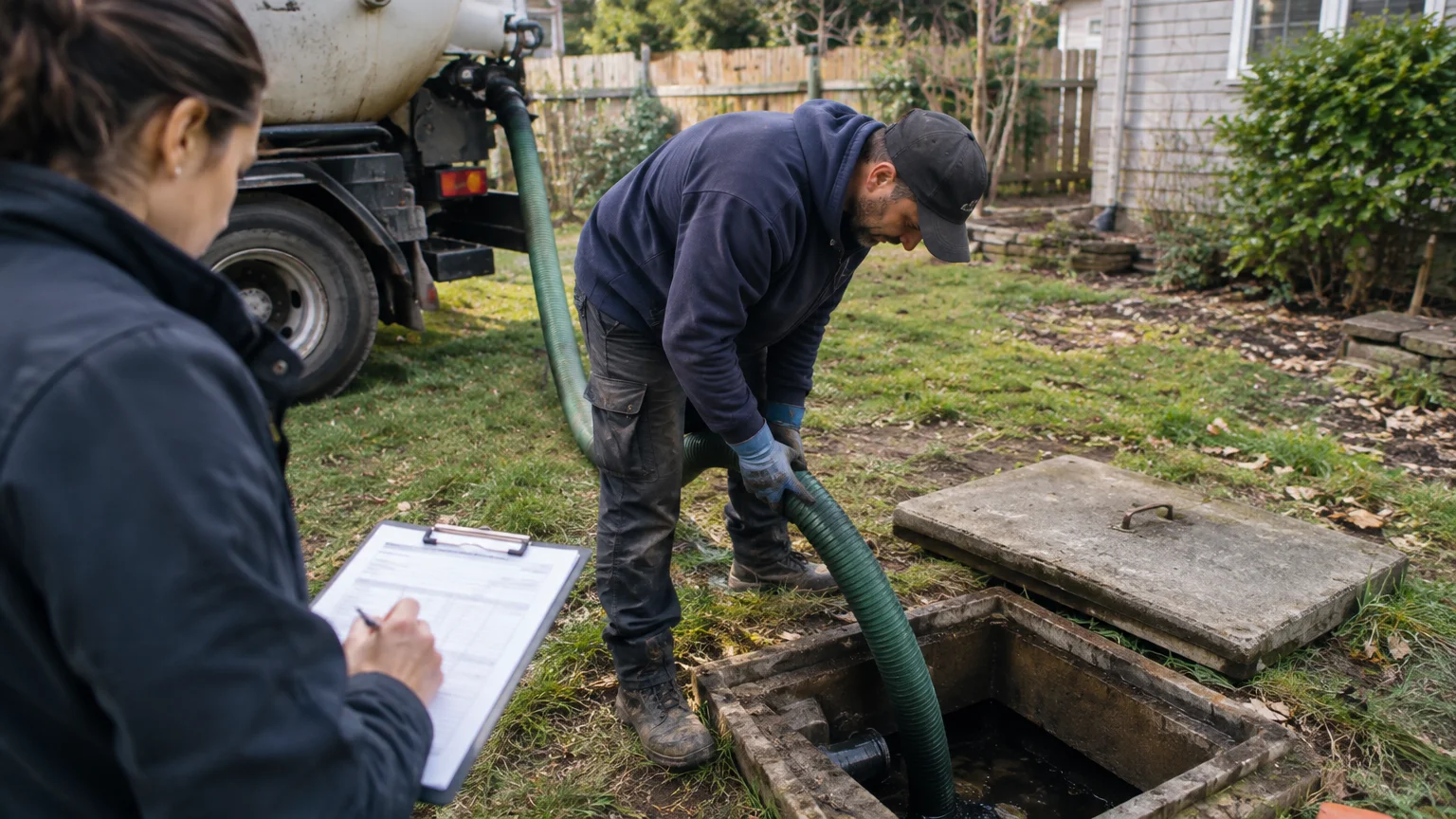
Do not open the tank or lean over an access opening to check it. Septic tanks can hold dangerous gases, and their covers may be unsafe. A septic tank pumping service can inspect the tank and measure what is inside. The results help show whether pumping or another repair is needed. For septic pumping in Monroe, start by finding out what part of the system is causing the signs.
How often should a septic tank be inspected and pumped?
There is no one schedule that works for every home. Pumping depends on tank size, household use, wastewater amounts, and how much solid waste enters the tank. Regular checks and written records help set a schedule based on the system’s condition. This is more useful than guessing or relying only on reminders.
What factors affect the pumping schedule?
A larger household may send more wastewater into the tank than a smaller one. Frequent laundry, high water use, or a garbage disposal can add to the load. Tank size and daily habits also matter. A septic worker can review these details and suggest when to check the tank again.
A schedule should not depend on calendar reminders alone. A tank may need an inspection even when there are no signs of trouble. Slow drains do not always mean it is time to pump. An inspection can check sludge and scum levels, damaged parts, and other possible faults.
Why do tank measurements and maintenance records matter?
Measurements show how much sludge and scum have built up. Records can list past checks, pumping, repairs, and changes in household use. Keep these notes with the home’s papers, especially when the home changes owners. A clear history helps the next owner and service worker make informed choices.
If there are no records, a professional can inspect the system and begin a new record. Do not guess when the tank was last pumped. Septic Tank Pumping Monroe can explain what an inspection found and whether pumping a septic system is the right next step for the property. These findings can also help owners understand how to find the right care for their system.
How do the tank, baffles, and drainfield work together?
The tank slows wastewater so solids can sink and lighter material can float. Baffles help guide the flow and keep solids from leaving the tank. The drainfield then spreads effluent into the soil for more treatment. Each part helps protect the next part of the system.
What do scum, sludge, and effluent mean?
Scum is the floating layer of grease and other light material. Sludge is the settled layer of solids at the bottom. Effluent is the liquid between the two layers. These words describe different parts of the tank contents. A worker checks their levels to help decide if pumping is needed.
Baffles are parts near the tank’s inlet and outlet. They help control wastewater flow and stop solids from moving out too easily. If a baffle breaks or goes missing, solids may reach the drainfield. This can harm the field and may lead to repairs beyond routine pumping.
How can a problem in one part affect the whole system?
Too much solid waste leaving the tank can clog drainfield pipes or soil. If the drainfield cannot absorb liquid, wastewater may rise to the surface or back up toward the home. A blocked household pipe can also cause signs that look like a full tank.
Pumping removes waste that has built up in the tank, but it does not fix every problem. A damaged tank, broken pipe, or failing drainfield needs its own repair plan. If an older system needs major work, the owner may ask about septic tank replacement or replacing the full system. The work depends on the site and the cause, so an inspection should come first.
What should you do when you notice warning signs?
When warning signs appear, use less water and keep people away from wastewater. Stop using fixtures that are backing up. Arrange an inspection if signs affect several drains, keep coming back, or include sewage in the home or yard. Acting soon can help reduce extra strain on the system.
What immediate steps can help limit wastewater stress?
Take these safe steps while waiting for help:
- Pause laundry, long showers, and other heavy water use.
- Keep cars and heavy equipment off the drainfield.
- Keep children and pets away from wet ground or sewage.
- Do not open, enter, or dig around the tank.
- Write down which fixtures have trouble and when it began.
Homeowners can watch for changes, keep records, and use water with care. These simple steps do not require a septic worker. However, opening the tank, measuring its contents, pumping, and repairs should be left to trained workers. Septic tanks can hold harmful gases and have other risks.
When should a septic professional inspect the system?
Get help soon if wastewater backs up, sewage appears indoors, or wet ground smells like sewage. Ask a professional to check the system if several drains slow down together or trouble returns after a basic clog is cleared. An inspection can show whether the problem is in the tank, pipes, or drainfield.
Share the system’s service history, any known tank location, and the signs you noticed. If you do not know where the tank is, do not start digging. A professional can check property records and use safe ways to find it. Tank depth and access differ by property, so do not guess how deep it is.
What are common misconceptions about septic tank pumping?
Pumping is important, but it does not fix every septic problem. A system may look fine above ground and still need an inspection. Additives and using less water cannot take the place of checking the tank and drainfield. The right care plan depends on how the system works and how it is used.
Does a healthy-looking yard mean the system is fine?
No. A yard can look normal even when a tank needs an inspection or a pipe has a fault. Wet or very green patches are useful warning signs, but their absence does not prove the system is working well. Inspections and maintenance records give a clearer view.
A buried tank may be hard to find. Owners can first check property records or old inspection notes. Tank depth depends on the site and how it was put in, so there is no one answer for how deep a septic tank should be buried. Do not dig until you know where pipes and system parts are.
Can additives or reduced water use replace inspection and pumping?
No. Additives do not remove the need to inspect and pump a tank when its condition calls for it. Using less water can reduce strain, but it cannot fix a broken baffle or clear a blocked line. Do not flush items that do not break down well, such as wipes, even if a label says they are safe to flush.
Key takeaways
- Slow drains, odors, wet ground, and backups are warning signs, not a diagnosis.
- Trouble with several fixtures may point to a shared pipe or septic system issue.
- Tank size, household use, and sludge and scum levels affect pumping needs.
- Homeowners can watch for signs and use less water, but should not open or enter a tank.
Conclusion: A septic system works best when its tank, pipes, and drainfield are cared for as one system. Keep records and watch for changes around your home in Monroe. Contact us through Contact us to discuss septic tank pumping or arrange an inspection with Septic Tank Pumping Monroe.