How much is a perc test depends on the property, soil, access, and local testing rules. A clear, easy-to-reach site may need less work than land with varied soil or several test areas. The final cost is confirmed in a quote once the needed tasks are clear. This guide explains what testing checks and what to ask in Monroe.
A perc test can help show whether soil may absorb wastewater from a planned septic drain field. It does not tell you everything about an existing septic system. Property owners can use this guide to learn what testing checks, what may change the scope, and how to plan before arranging work.
Table of Contents
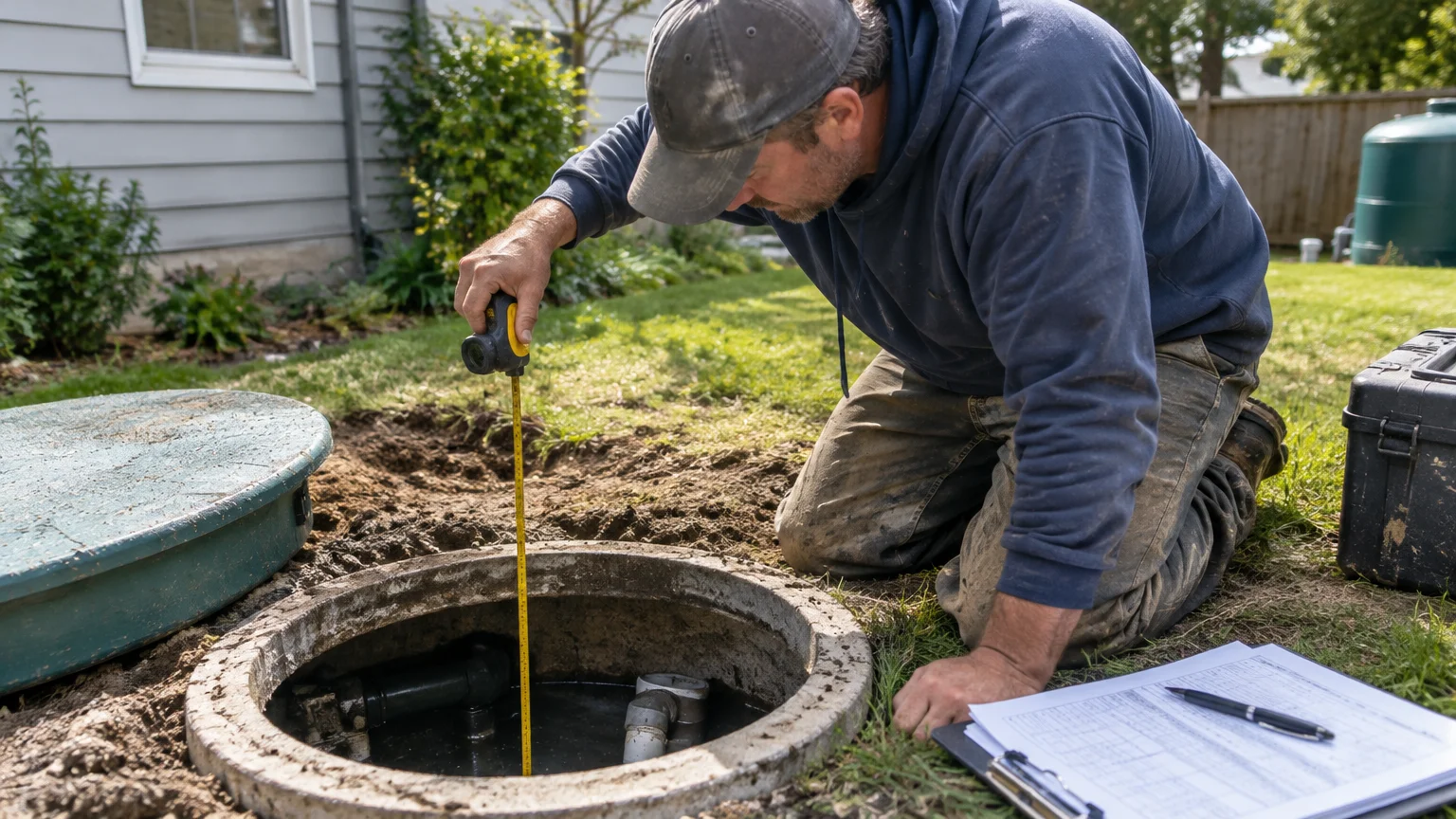
- How much is a perc test?
- What does a perc test evaluate?
- What factors affect perc test cost?
- How do property size and tank capacity affect testing?
- How do site access and preparation affect the cost?
- Does the septic system type change the test requirements?
- How does location affect perc test costs?
- What should a perc test quote include?
- When should you get a perc test quote?
- How can you compare perc test quotes and plan next steps?
How much is a perc test?
The cost of a perc test depends on what the property needs. There is no single amount that fits every site. Soil, the number of test spots, access, local rules, and follow-up work can all affect the quote. A clear quote should explain the planned work and what might change if more testing is needed.
Why the final cost depends on the property and test requirements
A percolation test, often called a perc test, checks how water moves through soil. The size and shape of the test area can vary by property. So can ground conditions and the records needed. One clear test area may take less work than land with several possible drain-field locations.
The quote may also depend on who must do or review the test under local rules. Some projects need a site visit, soil testing, written results, or contact with the local health department. These tasks should be named clearly. That helps the property owner understand what the quote covers.
The final cost is confirmed in a quote after the work and rules are understood. Ask whether the quote covers only the test or also a site review, written findings, and required coordination. If the scope changes after digging or testing starts, ask how the change will be explained before extra work begins.
How a perc test differs from a septic inspection
A perc test focuses on how soil absorbs water at a possible drain-field site. A septic inspection checks an existing system, such as its tank, pipes, and drain field. These services answer different questions. One does not take the place of the other.
A property buyer may need an inspection to learn about a system already in use. Someone looking at undeveloped land may need a perc test to learn whether a suitable drain-field area may be available. Septic Tank Pumping Monroe can help property owners understand which septic service fits their project. The right choice depends on what the owner needs to learn, not just the service name.
What does a perc test evaluate?
A perc test checks how quickly water drains through soil at a proposed septic drain-field area. The results help a local authority or qualified professional judge whether the soil may work for that use. The test is one part of site planning. It does not promise that a septic system can be built there.
How soil absorption helps determine drain-field suitability
A septic drain field is the area where wastewater moves from the tank into the soil. During a perc test, a professional checks how the soil takes in water in one or more spots. The findings can help guide the design and location of a planned system.
Soil type matters, but the test does not look at soil alone. Slope, groundwater, bedrock, nearby wells, property lines, and local setback rules can also affect where a system may go. A test result needs to be read with the full site plan and local rules in mind.
“Percolation” means the movement of water through soil. A soil test can show whether water drains too quickly, too slowly, or in a way that needs more review. Results from one spot may not describe every part of a large or varied property. Ask where the test took place and which planned locations the result covers.
Why a passing result does not replace a full septic evaluation
A passing result may show that one tested area meets a local standard for soil absorption. It does not confirm that every part of the property is suitable. It also does not show whether an existing tank, pipe, or drain field works well.
A septic system percolation test is usually tied to a planned location and use. An inspection of an existing system has a different purpose. It checks system condition and may look for signs of damage or poor operation. If a property has a working septic system, the owner may need both kinds of review for separate reasons.
A test result can have limits. Local rules may set the test method, review steps, and how long results remain useful. Before relying on an old report, ask the local health department whether it still applies to the planned project. Buyers should not treat a test result as approval for a building plan until the right authority confirms the next steps.
What factors affect perc test cost?
Perc test cost can change with the number of test areas, soil conditions, site access, and local testing steps. Extra review may be needed when the first test does not answer the main question. A quote should explain what is known and what may lead to more work.
How the number and location of test areas can change the work
A small property may have one likely place for a drain field. A larger parcel may have several possible spots. Each test area takes time to reach, prepare, and assess. If the project needs more than one location checked, ask the quote to say how many areas are included.
The owner can help by sharing a site plan, survey, or sketch. It can show property lines, buildings, wells, and known septic parts. Clear records may help the professional see where testing could be useful. They do not replace field work or local review.
Test spots may need to avoid areas where water gathers or digging could damage buried utilities. If the owner does not know where the septic tank is, they should say so before the visit. A professional can explain whether locating the tank or other system parts is included or must be arranged separately.
How soil conditions and additional testing affect the quote
Soil can change across one property. A clear area with even ground may be easier to assess than land with hard layers, shallow rock, or wet spots. If the first results are not clear, the local authority or professional may ask for more test areas or another soil review.
A quote should explain what may happen if the results call for another step. Ask whether extra digging, added test locations, a return visit, or a changed report is included. If not, ask how the professional will explain the new work and confirm it before moving ahead.
A failed or limited result does not always mean the property has no options. It may mean the planned location, system design, or project needs another look. A professional can explain what the result shows and what it does not show. Do not make building plans based only on a spoken summary when a written report or local decision is needed.
How do property size and tank capacity affect testing?
Property size can affect how many possible test areas need review, but a large lot does not always need more testing. Tank capacity may matter when planning a full septic system. It does not set the perc test scope by itself. The project plan and local rules guide what needs to be checked.
Why larger or more complex properties may need broader evaluation
A large property may have several possible building spots, slopes, soil types, or areas that must stay clear. Testing more than one place can help show whether another part of the land may work if the first spot does not. A small lot may still need careful review when space is tight or nearby features affect system placement.
A perc test for land is most useful when it connects to a real plan. Tell the professional whether you hope to build a home, add a room, divide land, or replace a system. The intended use can affect the size and location of the system being considered.
A site plan can connect the test to the project. It may show the planned building, driveway, property lines, wells, and areas where water drains. If you do not have a plan yet, ask what details are needed before testing. This can help avoid testing a spot that cannot be used later.
When existing septic system details matter
Tank capacity is usually part of system design and expected wastewater use. People often ask what size septic tank a three-bedroom house needs. Bedroom count alone does not settle the answer. Local rules, household use, soil, and the full system design may all matter.
Owners do not need to dig up a tank or open a system to answer basic planning questions. Look for available permits, inspection reports, or a site plan. If you do not know how deep a septic tank is buried or how to find a buried septic tank, ask a qualified professional about safe ways to locate it.
A perc test does not decide tank size or confirm that a buried tank is in good condition. Those are separate questions. If an existing system is part of the project, share its known age, service records, and past problems. The professional can then say whether a test alone answers the question or a separate septic inspection may help.
How do site access and preparation affect the cost?
Site access can affect the time and tools needed to reach a test area. Steep slopes, gates, trees, fences, soft ground, and buried utilities may change how the work is done. Before the visit, ask what access is needed and what you should prepare.
How distance, terrain, and obstacles can affect equipment access
A test spot beside a clear driveway may be easier to reach than one behind a fence or across uneven ground. Wet soil can also make access harder or unsafe for equipment. These details may change the planned method or mean that another test location is needed.
Point out known hazards, locked gates, low branches, pets, and places where vehicles should not go. Share what you know about buried water lines, power lines, wells, or other utilities. The professional can tell you what must be marked before digging begins.
You do not need to clear the whole property without advice. Removing plants or moving stored items may not be needed. Heavy work near a septic system can cause damage. Ask what access is required before cutting trees, moving a fence, or driving over a suspected tank or drain field.
What owners may need to prepare before testing
A little preparation can help keep the visit focused. Gather property plans, septic permits, past reports, and details about the planned project. Make sure the professional can reach the proposed test area and knows about any limits on the property.
A helpful checklist includes:
- Share site plans, septic records, and earlier test reports.
- Mark known wells, utility lines, tanks, and drain-field areas.
- Explain plans for a building, addition, or system replacement.
- Point out locked access, soft ground, slopes, and other hazards.
- Ask who arranges local approvals: the professional or the owner.
Do not open a tank, enter it, or dig near buried system parts to get ready. Septic tanks can contain dangerous gases and other hazards. Gathering records and clearing a safe walking path are usually safe tasks for an owner. Leave digging and system checks to qualified people.
Does the septic system type change the test requirements?
Yes. The system being planned can affect what information the local authority needs. A conventional septic system and an alternative design may use different layouts or review steps. Ask which tests and approvals apply to your project rather than guessing that every system follows the same process.
How conventional systems differ from alternative designs
A conventional system often uses a tank and a soil-based drain field. Other designs may be considered when site limits make a standard layout unsuitable. The right design depends on the property, local rules, and the building’s needs.
A perc test can help assess a planned drain-field area. It does not choose or approve a system by itself. A professional may also need to consider slope, soil layers, groundwater, space, and planned use. If an alternative design may be needed, ask whether its review requires different plans or more information.
Do not assume a poor test result means the whole property cannot be used. It may affect where a system can go or what design needs review. The local health department can explain which options may be considered and who must prepare plans. A clear report can help you understand the next step without promising an outcome.
When an existing system may require a separate inspection
A perc test does not check the condition of a working septic system. If wastewater backs up, drains move slowly, or wet areas appear near the drain field, ask a septic professional to inspect the system. These signs can have several causes. They do not prove one specific problem.
A homeowner can safely note changes, keep vehicles off the drain field, and avoid putting grease or harmful waste down drains. Do not open a tank or try to repair a buried pipe. Septic pumping and inspection are separate services from a soil absorption test.
When buying property, ask for the test report and records for the existing system, if available. A report for undeveloped land may not apply to the system serving a home. Septic Tank Pumping Monroe can help property owners sort out septic pumping and inspection questions before choosing a service.
How does location affect perc test costs?
Location affects the testing process through local rules, permits, soil, and site conditions. A quote for one property may not match the work needed at another. The local health department or other authority can explain which approvals and test steps apply to the project address.
How local rules and permitting requirements influence the scope
Local rules may say who can perform a test, which method to use, and what results must be filed. Some projects need a permit or review before construction starts. Confirm these steps with the local authority before treating a test as final approval.
Ask who contacts the authority and who handles forms or site plans. A quote should say whether the professional will help with those tasks or whether the owner must do them. If a permit or review is not included, ask what information you need to provide and when.
Rules may differ for a new system, a replacement, or a change to a current property. Do not rely only on what a neighbor did on another lot. Nearby sites can have different soil, system history, and permit needs. Check the rules for your exact property and planned work.
Why regional soil and site conditions can affect the work
Soil and land features vary from place to place. Some properties have sandy ground, while others have clay, shallow rock, a high water table, or slopes. These conditions can affect how water drains and where a drain field may fit.
Searching “perc test near me” can help find local services, but being nearby does not confirm the right experience. Ask whether the professional knows the local testing process and can explain how results are reviewed. You can also ask the local health department which records are needed.
If the property is in the Monroe area, share its exact location when asking about the process. This includes places from Downtown Monroe to Walnut Grove, Good Hope, Between, Loganville, and nearby communities. A wide service-area label does not explain the soil or access at one site. A useful quote should reflect the property and project, not only the town or county.
What should a perc test quote include?
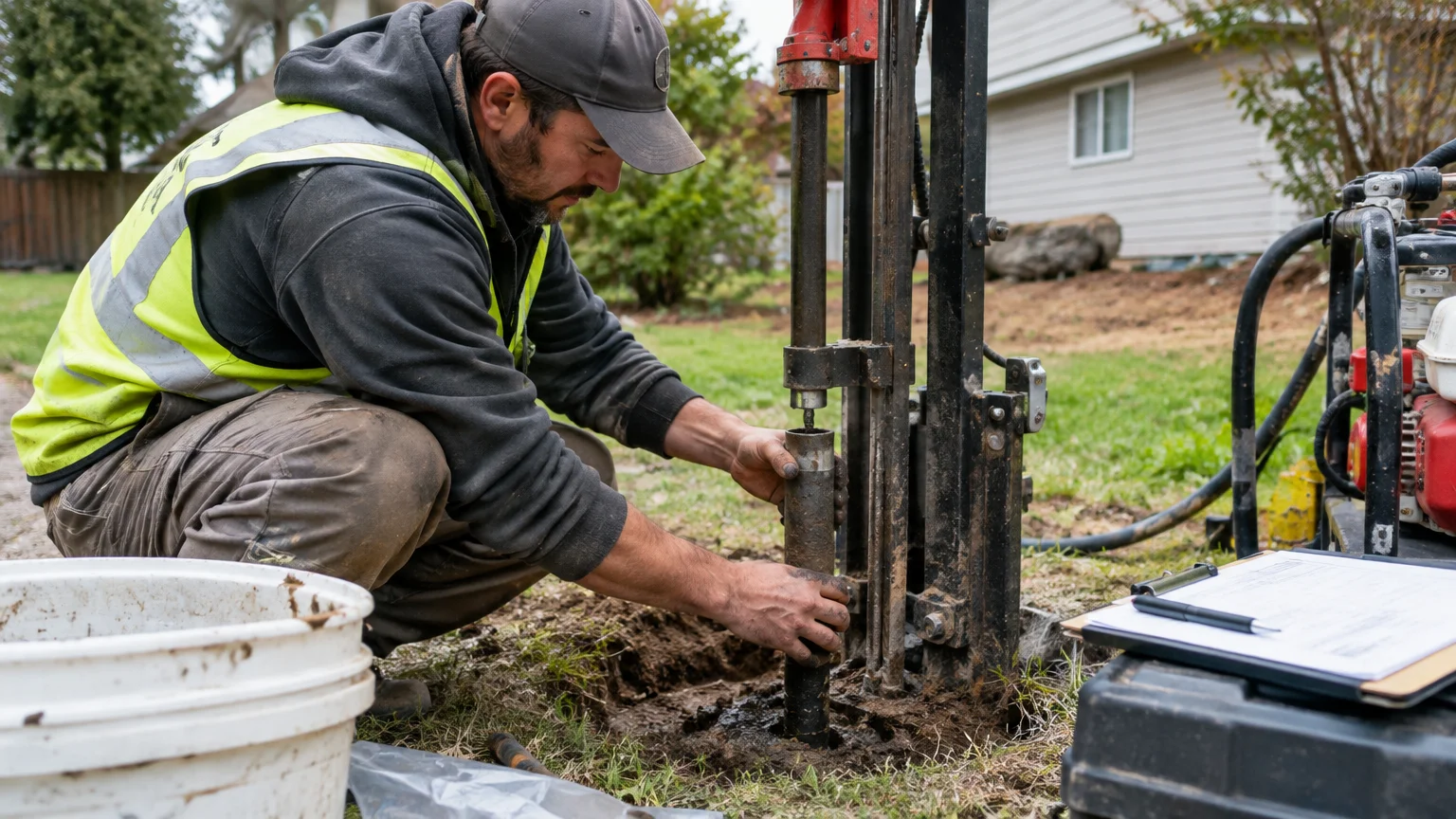
A useful quote explains the planned work, test area, report, and any included coordination. It should also say what is not included and what may lead to more testing. The final cost is confirmed in the quote. Ask questions before agreeing to the scope.
Which testing, documentation, and coordination tasks to confirm
Ask how many test areas are included and where they will be. Confirm whether the work includes digging, soil review, a written report, and contact with the local authority. The quote should make clear who handles permits, plans, and any needed follow-up.
A written report can help an owner, designer, or buyer understand the results. Ask when it will be ready and who will receive a copy. If the test must follow a local format, confirm that the report will include what the reviewing authority needs.
It can also help to ask what the professional needs before arriving. A site plan or known septic records may help identify test areas. Do not assume that a general septic service includes a perc test. The quote should name the service and explain its limits in plain language.
How to clarify whether follow-up testing is included
A first test may not answer every question. Soil can vary, a test area may not work, or the local authority may ask for more details. Ask whether another test area, a second visit, or a changed report is part of the agreed work.
A clear quote should explain how changes will be discussed. Ask the professional to pause and explain the reason before extra work begins. This gives everyone a chance to understand the new task and decide what to do next.
Before agreeing, review the quote beside the project plan and local rules. Ask what may happen if the site does not pass or the planned system changes. A professional should explain the work without promising the land will pass. The result depends on the site and the rules that apply.
When should you get a perc test quote?
Get a perc test quote before making a major land or building choice that depends on septic use. Early planning gives you time to learn whether the proposed area needs more review. It can also help buyers and owners avoid treating an untested site as ready for construction.
When buying land, planning construction, or replacing a drain field
A buyer looking at vacant land can ask about testing before making a firm building plan. A homeowner planning an addition may need to learn whether the current system and available land can support it. Someone replacing a drain field may need a separate review of possible locations.
A perc test for a septic system should fit the planned use and local process. The test may be less useful if the location or design is still changing. Ask a professional or local authority what details are needed first, especially if the property has an older system or unclear records.
Do not assume that septic approval for a nearby property applies to your land. Soil, setbacks, and open space can differ from one parcel to another. A test report should name the area it covers and explain what it confirms.
Why timing matters before making property or project commitments
Testing early can reveal limits while there is time to ask questions and review other plans. Waiting until construction is close may leave less room to consider another location or design. The best timing depends on the sale, permit steps, and project schedule.
If a sale is underway, ask the local authority how recent a report must be and whether a new owner can use an existing one. If a building plan changes, check whether the earlier test still applies. A change in location or use can make a report less useful.
You can gather records and ask about the process before choosing a test date. You do not need to dig, inspect a tank, or repair a system to do this. A professional can explain what needs to happen at the site and which tasks belong to the owner or local authority.
How can you compare perc test quotes and plan next steps?
Compare quotes by checking whether they cover the same test areas, report, and local coordination. A quote with a different scope cannot be judged by its total alone. Ask each provider to explain what is included, what is not, and what may change after testing.
How to compare scope and requirements rather than price alone
Check that each quote describes the same project and number of test areas. Compare the test method, access needs, report details, and follow-up steps. If one quote leaves out a task another includes, ask why before choosing.
A simple review can focus on these questions:
- Which test areas and site visits are included?
- Who prepares or files required records and forms?
- What will the written report explain?
- What follow-up work may be needed, and how is it approved?
- Which local rules should the owner confirm?
Ask who will explain the results. A report may use words that are new to a first-time buyer or tenant. A clear explanation can help you see whether the next step is local review, a changed site plan, or a separate septic inspection.
What to do if the results identify site limitations
If results show a limit, first ask which area was tested and what the finding means. Then ask whether another part of the property can be checked or whether the project plan needs to change. The local authority can explain allowed options and needed documents.
Do not assume that a failed test means there is no possible septic solution. It may mean more information is needed or another design should be reviewed. At the same time, do not treat a possible option as approved until the right authority has reviewed it.
For an existing system, ask whether the result is about a new drain-field area or the current system. These are separate questions. Keep the report with property and septic records, and share it with the person preparing the next plan. A clear scope, local review, and written result help owners make informed choices.
Key takeaways and conclusion
- Perc test cost depends on site conditions, test scope, access, and local rules.
- A perc test checks soil absorption; it is not a full septic inspection.
- A passing result covers the tested area and does not promise final approval.
- Ask what the quote includes, what the report covers, and how follow-up works.
- Get guidance before buying land or planning work that relies on a septic system.
The best next step is to match the test to the property and project. Gather available records, check local rules, and ask for a written scope that explains the work. Owners can share plans and clear a safe path, but should leave digging and system checks to qualified professionals.
If septic pumping or an inspection is also a concern, Contact us to discuss the right service with Septic Tank Pumping Monroe. The team can help explain which septic service fits your question. The local authority confirms testing and permit requirements.
Frequently Asked Questions
What is a septic tank?
A septic tank is a buried container that holds wastewater from a home or building. Solids settle inside while liquid wastewater flows toward a drain field. The tank is one part of a septic system and needs proper care. A perc test checks soil, not the tank’s condition.
How deep should a septic tank be?
There is no single depth for every property. Tank placement depends on the system design, site conditions, and local rules. Use system records or ask a qualified professional instead of digging to find it. Never enter a septic tank; its gases and structure can be deadly.
How can someone find a buried septic tank?
Start with property records, permits, or an existing septic plan. If those are missing, a qualified professional can suggest a safe way to locate the tank. Avoid probing or digging before you know where utilities and septic parts are. Finding a tank is different from testing soil for a drain field.
What size septic tank does a three-bedroom house need?
The right tank size depends on local rules, system design, and expected use. Bedroom count may be one factor, but it does not answer the whole question. A septic professional or local health department can explain what applies to the property. A perc test does not set tank capacity.
Can a property need a perc test for a dry well?
Soil testing may be needed if local rules require it for a planned dry well or another wastewater project. A dry well is not the same as a septic drain field. Requirements depend on the location and design. Ask the local authority which tests and approvals apply before choosing a site.
If you are not sure what you are dealing with, it is worth having someone look at it before it turns into a bigger job. Get in touch with Septic Tank Pumping Monroe today and we will tell you where you stand.