The empty septic tank cost depends on the tank’s size, how full it is, access to its lids, system type, and local handling needs. A simple pump-out may involve less work than a visit with hard-to-reach lids or extra checks. The final cost is confirmed in a quote after the provider reviews the job details.
A septic service quote can be hard to compare when the work is not clear. Knowing what can change the job helps property owners ask useful questions and plan routine care. It can also help them spot when a problem may need more than pumping. Learn about septic services and what to discuss before booking a visit.
Table of Contents
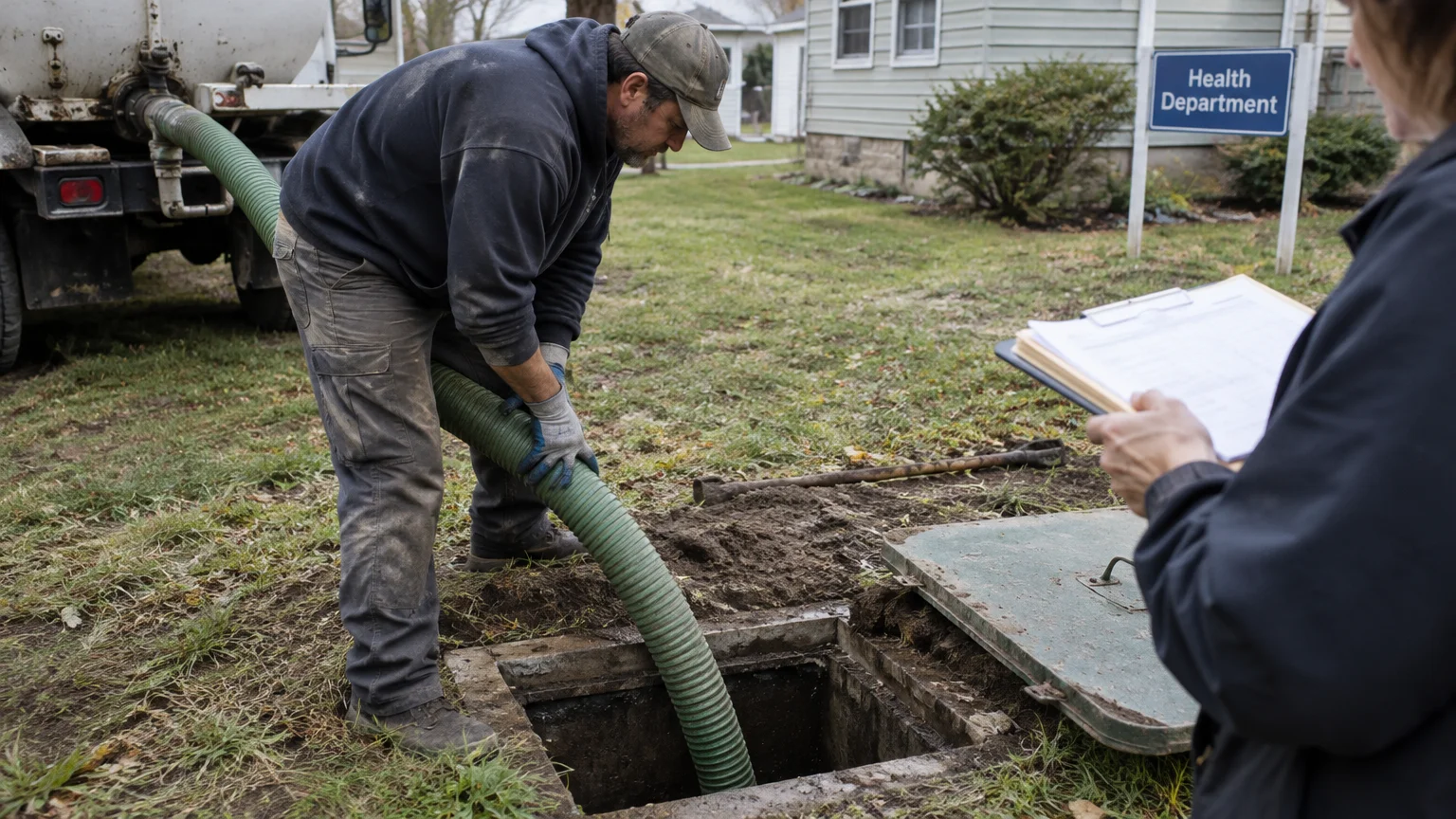
- How much does it cost to empty a septic tank?
- What factors affect the cost of emptying a septic tank?
- How does septic tank access affect the cost?
- Does the type of septic system change the emptying cost?
- How does location affect septic tank pumping costs?
- What should a septic tank emptying quote include?
- When should you get a quote for emptying your septic tank?
- Key takeaways
- Conclusion
- Frequently Asked Questions
How much does it cost to empty a septic tank?
The cost to empty a septic tank depends on the work needed at the property. Tank size, waste level, access, system parts, and local waste handling can all shape the quote. A provider confirms the final cost after learning about the tank and the site.
Why the final cost depends on the job
A routine pump-out and a more involved visit are not always the same job. A routine visit may focus on removing waste from the tank. The provider may also need to find buried lids, work around obstacles, or check parts that affect safe pumping. These details can change the work plan.
A septic tank is a buried container that holds household wastewater. Solids settle and break down inside it, while liquid moves onward through the system. Tank size and condition help show what the work may involve. Owners who know the tank’s location, type, and service history can share useful details when asking for a quote.
How pump-out costs compare with related septic services
Septic pumping removes liquid and settled waste from a tank. It does not repair every septic problem. A damaged pipe, broken pump, blocked filter, or drain field concern may need its own check or repair. Those jobs involve different work, so the quote should state what it covers.
For empty septic tank cost questions, Septic Tank Pumping Monroe can help Monroe property owners understand which job details matter. Ask whether the quote covers pumping only or also lists certain checks. The final cost is confirmed in a quote for the work agreed upon at the property.
What factors affect the cost of emptying a septic tank?
Tank size, waste level, pumping history, and the amount of material removed can affect the work. A provider may ask about these details before confirming the job. Clear information helps the provider plan the right equipment and explain what the visit includes.
How tank size and how full it is affect the work
A large tank can hold more wastewater and solids than a small tank. Its size may affect how much material must be removed and handled. The tank’s fill level matters too. A tank that has gone a long time without service may need more work than one cared for on a regular schedule.
Homeowners do not need to open a tank to guess how full it is. Opening a septic tank can expose people to harmful gases, germs, and the risk of falling in. Share the tank’s known size and past service records instead. A septic professional can check it safely and explain what work is needed.
How pumping frequency and waste volume can change the quote
Pumping timing depends on household use, tank size, and the amount of wastewater entering the system. More people using a property can mean more wastewater and solids. Leaking taps or toilets can also send extra water into the system, so fixing simple plumbing leaks is useful upkeep.
The right schedule is not the same for every property. Keep service records and ask a qualified provider what timing suits the system. A provider can explain whether the tank needs pumping now or whether another issue may cause the signs you see. Septic Tank Pumping Monroe can discuss these details without assuming every tank needs the same work.
How does septic tank access affect the cost?
A tank that is easy to reach can make a pump-out simpler to plan. Buried lids, long hose runs, fences, plants, and parked vehicles may make access harder. Describe the site so the provider can account for the real work conditions when preparing a quote.
What makes a tank easy or difficult to reach
A clear path for the service truck and hose can help the crew reach the tank. A locked gate, narrow drive, steep ground, or soft soil may limit where equipment can go. Tell the provider about these conditions before the visit, especially when the tank is far from the driveway.
A septic tank riser is an extension that brings an access opening closer to ground level. It can make later checks and pumping easier because the crew may not need to uncover a deep lid. A qualified professional can say whether a riser suits the tank and follows local rules.
How buried lids, long hose runs, and obstacles affect the job
A buried lid may take extra work to find and uncover. If you do not know where the tank is, property records, site plans, or visible clues may help narrow the search. Do not dig without checking first. Buried utility lines or the tank itself could be damaged, and a provider can help locate it more safely.
Before service, move items away from the access path and keep children and pets away from the work area. These simple steps do not replace professional work, but they can help the crew reach the tank. Never enter a tank or lean over an open access point. Septic gases can be deadly.
Does the type of septic system change the emptying cost?
Yes. A basic septic system may need different work from one with pumps, filters, or other equipment. The provider should know the system type before giving a quote. If you do not know the type, property records or an on-site review may help identify its parts and needs.
How conventional systems compare with alternative systems
A conventional system often has a septic tank and a drain field. A drain field is the area where liquid from the tank moves into the soil for more treatment. Other systems may use pumps or added treatment parts to move or clean wastewater. These parts can change what a service visit needs to cover.
For a first-time buyer, a home inspection report or septic permit records may list the system type. Ask the seller or local health office about records that may be available. A perc test checks how quickly soil absorbs water and can help guide septic system planning. It does not tell you how an existing system has been cared for.
When filters, pumps, or additional components may need attention
Some systems have filters that help keep solids from moving toward the drain field. A pump may move wastewater through parts of the system. These parts may need checks or care beyond routine tank pumping. Ask whether the quote includes checking or cleaning them, or only pumping the tank.
Do not ignore a warning light, alarm, or pump problem. Keep people away from electrical parts and do not reach into a tank. A qualified septic professional can check the system and explain whether the issue relates to pumping, a part, or another repair. Clear details in the quote help avoid confusion about what is included.
How does location affect septic tank pumping costs?
Location can affect travel, waste disposal options, and the time needed to reach a property. Local rules may also shape how septic waste is handled. A provider serving Monroe, from Downtown Monroe to Walnut Grove, Good Hope, Between, Loganville, and nearby communities, can explain which site details may affect the work plan.
Why travel distance and local disposal requirements matter
A provider may need to travel to the property and then take waste to an approved disposal site. The distance and available disposal options can affect scheduling and the work involved. Ask how the provider handles waste and whether local rules affect the service being quoted.
Rules differ by place, so do not assume every area follows the same process. Local health offices can often point residents to septic system guidance. Keep permits and system records with the property documents. These records can help when a home changes hands or needs service later.
How regional conditions can influence service availability
Weather, soil, road conditions, and the distance between homes can affect when a service truck can reach a tank. Heavy rain may make a yard too soft for equipment. Rural properties may also be farther from providers or disposal sites than homes in town.
When asking for a quote in Monroe, describe the driveway, yard, and tank location. If your home is outside the city center, share its location in the Monroe area. This helps the provider judge access and plan the visit. A clear description is more useful than guessing how the location could affect the job.
What should a septic tank emptying quote include?
A clear quote should describe the planned work, the tank and access details used to plan it, and what is not included. It should also explain what happens if the provider finds a new issue on site. Ask questions before accepting if any part of the work is unclear.
The work and conditions to confirm before accepting a quote
Check that the quote names the service, such as pumping the tank. Confirm which tank or tanks are included and whether the provider knows about buried lids, long hose runs, or hard access. Ask what you need to do before the crew arrives.
The quote should say whether the provider will check visible parts of the system during the visit. Do not assume pumping includes repairs, filter cleaning, pump checks, or a full system check. A written description gives everyone a clear record of the work agreed upon.
How to clarify possible additional services or charges
Ask what may happen if the provider finds a damaged lid, blocked filter, or pump problem. The quote should explain how extra work will be discussed and approved before it starts. Do not assume a repair is included unless the quote says so. The final cost is confirmed in a quote for the agreed work.
Useful questions include:
- Does the quote cover pumping the tank and handling its contents?
- Does the work include finding or uncovering buried lids?
- Which system checks or part checks are included?
- How will work outside the quote be discussed and approved?
- What information or access should I provide before the visit?
Clear answers help owners compare the work being offered, not just the words on each quote. Keep the quote with the property’s septic records. That record can help future owners understand what was done and which parts may need separate care.
When should you get a quote for emptying your septic tank?
Ask for a quote when routine service is due, when buying or selling a property, or when signs point to a septic problem. Early questions can help a provider decide if pumping is right or if the system needs another kind of check.
When routine maintenance is due or property ownership changes
Service records can show when the tank was last pumped and what the provider found. If records are missing, ask a qualified septic professional to review the system and suggest next steps. This can help first-time buyers, investors, and new owners who do not know the tank’s history.
Owners can do simple upkeep without opening the tank. Keep service records, watch for plumbing leaks, and avoid putting grease, wipes, or other unsuitable items down drains. Keep heavy vehicles away from the tank and drain field as well. A trained professional must handle tank access, pumping, and checks inside the system.
When warning signs suggest the tank may need prompt service
Slow drains, sewage smells, wet ground near the tank or drain field, or wastewater backing up can point to a septic problem. These signs do not prove that the tank needs pumping. A blocked pipe, failing part, or drain field problem may cause similar signs, so a professional should assess the system.
If sewage backs up into the home, use less water and keep people and pets away from affected areas. Do not open the tank or try to fix a pump or pipe. Contact a qualified provider to discuss what you see and ask what steps are safe while you wait for service. Emergency pumping may be needed in some cases, but a professional should first help identify the problem.
Key takeaways
- Empty septic tank cost depends on tank size, fill level, access, system type, and location.
- Septic pumping may not include repairs, filter care, or checks of other parts.
- A clear quote should state the planned work and how extra work will be handled.
- Owners can keep records and clear access, but should never enter or open a tank.
- Warning signs need a professional review because different septic problems can look alike.
Conclusion
Knowing what shapes a septic quote makes service easier to plan. Tank size, access, system parts, and local conditions all matter. Owners can prepare by sharing records and clearing the work area, but trained professionals should handle tank opening and pumping.
For help reviewing your property’s needs, Contact us to discuss septic tank pumping in Monroe. Septic Tank Pumping Monroe can help you understand the job details and arrange the next step.
Frequently Asked Questions
What is a septic tank?
A septic tank is a buried container that collects wastewater from a home or building. Solids settle inside, while liquid moves toward a drain field or another treatment part. The system needs proper care to work well. A septic professional can explain how a specific tank and its connected parts work.
How deep is a septic tank buried?
A tank’s depth can vary with its design, the property, and how it was put in. Its lid may sit below ground, so the surface may not show where the tank is. Check site plans or property records, or ask a qualified provider to locate it safely.
How can a homeowner find a buried septic tank?
Start with septic permits, property records, or a site plan from the local health office. Some homes have visible cleanouts or access risers that offer clues. Do not dig before checking for buried utility lines. A septic professional can help find the tank and lower the risk of damage.
What size septic tank does a three-bedroom house need?
The right tank size depends on local rules, the home, and the septic system design. Bedroom count may be one part of planning, but it does not tell the whole story. Check the permit or ask the local health office or a qualified septic professional.
What is a septic tank riser?
A septic tank riser is a pipe-like extension that brings a tank opening closer to the ground. It can make access easier for checks and pumping. A professional should confirm that a riser fits the tank and follows local rules. Never open a tank without the right training and safety steps.
If you are not sure what you are dealing with, it is worth having someone look at it before it turns into a bigger job. Get in touch with Septic Tank Pumping Monroe today and we will tell you where you stand.