The answer to “how often should i pump a septic tank” depends on tank size, household use, water habits, and the solids inside it. There is no schedule that fits every home. A professional can check the system and suggest a plan. Keep service records, watch for warning signs, and act before a backup occurs.
Table of Contents
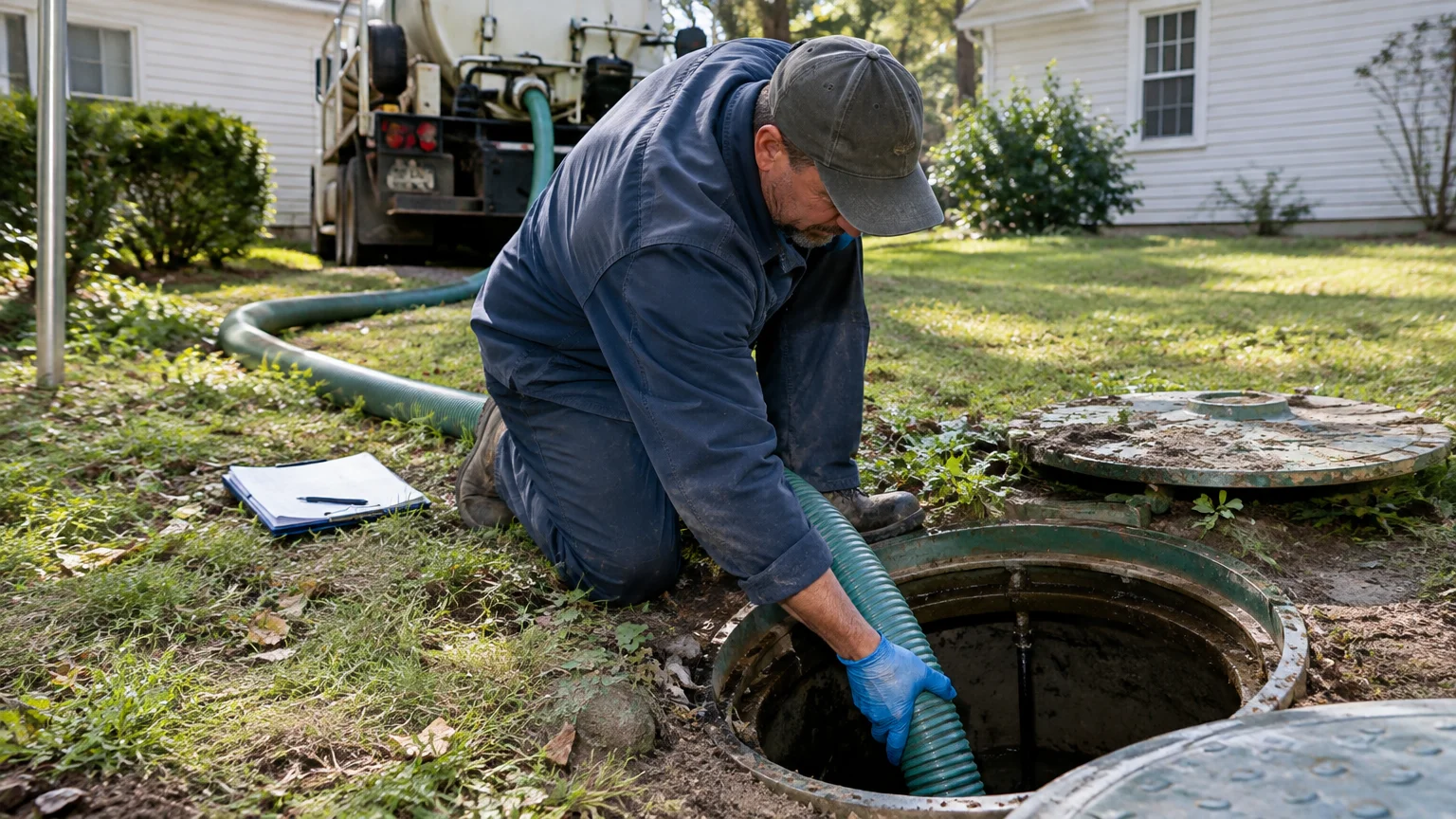
- How often should I pump a septic tank?
- What signs suggest a septic tank needs attention sooner?
- Can I determine my pumping schedule myself?
- What septic maintenance can a homeowner handle?
- What should I do to plan a septic tank pump-out?
- What can go wrong if I wait too long to pump?
- When should I call a septic professional?
- Key takeaways
- Frequently Asked Questions
How often should I pump a septic tank?
There is no one pumping schedule for every home. How often should i pump a septic tank depends on its capacity, how many people use it, and what enters the drains. Past service notes and an inspection can help a septic professional suggest a schedule for your system.
Why household size and tank capacity affect pumping frequency
A septic tank holds wastewater from a home. Heavy waste sinks to the bottom, while grease and lighter waste may float on top. The liquid between these layers flows toward the drainfield. The drainfield is the soil area that receives liquid from the tank. As the layers grow, there is less space for wastewater to settle.
More people in a home can send more water and waste into the tank. A smaller tank may collect solids faster than a larger tank used by the same number of people. Homes with changing occupancy may need a schedule that matches how they are used. This can apply to rentals, seasonal homes, or properties with new owners.
How water use and waste habits change the schedule
Water use affects how quickly wastewater passes through the tank. Several loads of laundry close together, long showers, or leaking taps can send too much water into the system at once. When water moves too fast, it may carry solids toward the drainfield before they settle.
Waste habits also matter. Wipes, grease, and other items that do not break down can cause clogs or affect how the system works. A useful schedule comes from the tank’s condition and use, not just a date on a calendar. Septic Tank Pumping Monroe can help property owners understand what details to gather before planning service.
What signs suggest a septic tank needs attention sooner?
Slow drains, plumbing backups, sewage smells, or wet ground near the drainfield can point to a septic issue. These signs do not prove that pumping is needed. Another part of the system may be the cause. Limit extra water use and arrange an assessment rather than hoping the problem goes away.
Changes in drains, toilets, or plumbing
Notice whether one fixture is slow or several are affected. A slow sink may have a clog nearby, while slow drains throughout the home can point to a wider plumbing or septic problem. Gurgling pipes and toilets that back up also need attention, especially when other warning signs appear.
Do not keep flushing or running water to test a system that is backing up. This may send more wastewater into a system that cannot drain well. Keep children and pets away from sewage. Do not touch wastewater or try to clear a blockage by opening the tank.
Wet areas, odors, and other signs around the drainfield
A drainfield is the part of a septic system where liquid moves from the tank into the soil. A strong sewage smell, wet ground, or standing water over this area can mean the system needs prompt care. A broken pipe, blocked outlet, or another issue may also cause these signs.
Watch for changes in the yard as well as inside the home. Keep cars and heavy equipment off the drainfield, and do not dig to look for a problem. Septic tanks are buried, and their location and depth can vary. A professional can help find system parts safely.
Can I determine my pumping schedule myself?
You can gather records and watch for changes, but a calendar alone cannot set a safe pumping plan. You cannot see the amount of solids in the tank from inside the home. An inspection can check the system and help show whether pumping is due or another repair may be needed.
Check tank and household records
Start with the home’s purchase, care, or permit records. Look for a system plan, tank size, past inspection notes, and dates of earlier pump-outs. These details can help a professional learn about the system. They are useful for first-time buyers and new property managers, too.
If records are missing, write down how many people usually use the home and any changes in water use. Note when slow drains, smells, or wet ground first appeared. Do not copy a neighbor’s schedule. Their tank, household, soil, and water habits may be different from yours.
Why inspection is more reliable than a calendar estimate
A septic inspection checks the system instead of relying only on time since its last service. A trained professional can look at the tank and check for signs of trouble in other parts. This matters because a tank may need care for reasons beyond normal solids buildup.
Pumping and a full system inspection are not the same service. Pumping removes waste and liquid from the tank. An inspection looks for problems with the system’s condition or how it works. Ask what the visit includes and whether any findings need more care. This helps you avoid treating pumping as the answer to every septic problem.
What septic maintenance can a homeowner handle?
Homeowners can track water use, keep records, protect the drainfield, and watch for warning signs. These steps do not require opening the tank or touching sewage. Tank entry, digging near system parts, and repairs are not safe do-it-yourself jobs. Leave those tasks to trained help.
Track water use and protect the drainfield
Fix leaks and spread laundry and other water-heavy tasks over time. This can keep a large rush of water from entering the system. Use toilets and drains for human waste and toilet paper only. Follow the directions on household cleaners.
Keep heavy vehicles, sheds, and digging away from the drainfield. Do not plant trees or shrubs over system parts unless a qualified professional says they are safe there. Roots can harm pipes, and packed soil can make it harder for water to pass through. Never enter a septic tank. Its gases and lack of air can be deadly.
Keep records and make the tank accessible
Keep service notes, system plans, and inspection results in one place. Record dates, reported problems, and repairs. These notes can help a new owner, tenant, property manager, or professional understand the system’s history and what may be needed next.
You can keep the route to the tank clear and share any known location with the service provider. Do not dig or lift a heavy cover to find it. If you do not know where the tank is, ask a professional how to find it safely. A tank is usually buried, and its depth depends on the system and property.
What should I do to plan a septic tank pump-out?
Gather system records, write down any current symptoms, and arrange an assessment with a septic professional. Ask what the visit will include and how the tank will be checked. Before the visit, make known access points easier to reach. Do not dig or open the tank yourself.
Gather system details and arrange an inspection
Share the property location, how many people usually use the system, and any known details about the tank or drainfield. Tell the provider when the tank was last serviced, if you know. Describe warning signs clearly, including where they happen and when they began.
Ask whether the visit includes an inspection, pumping, or both. Pumping alone may not find a broken pipe, blocked outlet, or drainfield problem. A septic system has parts that work together, so the next step depends on what the assessment finds. Ask how the findings affect the care plan.
Prepare the property for a service visit
Clear loose items from the path to the tank, secure pets, and tell the provider about gates or access limits. If records show where the tank is, you can point out its location. Do not uncover it yourself. Keep vehicles and heavy equipment away from the drainfield.
If you do not know where the tank is, do not push a sharp tool into the ground. Pipes and covers may be damaged, and digging can be unsafe. Share old plans or service notes instead. Septic Tank Pumping Monroe serves Monroe and nearby communities, including Downtown Monroe, Walnut Grove, Good Hope, Between, and Loganville. Property owners can share what they know about the system when planning service.
What can go wrong if I wait too long to pump?
When a tank holds too much solid waste, it may not keep solids from moving toward the drainfield. This can lead to backups or damage that takes more work to address than regular care. Warning signs can also come from other system problems, so pumping without an assessment may not fix the cause.
How solids buildup can lead to backups and drainfield damage
A septic tank needs space for wastewater to settle before liquid moves onward. As solids build up, the tank may not work as well. Waste can back up into the plumbing or move into parts that should only receive clearer liquid. A blocked or damaged drainfield may stop water from soaking into the soil as it should.
A failing drainfield can cause wet ground, bad smells, or contact with sewage. Stay away from wastewater and keep children and pets away from affected areas. Do not try to solve the problem by digging, adding soil, or sending household water to another part of the yard. A professional needs to find the cause and explain the next steps.
Why additives and pumping by guesswork may not solve the problem
Septic additives do not replace proper care or repair a broken part. Some products may not help the tank and can make the problem harder to understand. Do not add chemicals or treatments based only on a product claim. Ask a qualified professional first.
Pumping is not a cure for every warning sign. A backed-up toilet may come from a blocked pipe, while wet ground may point to a drainfield or outlet issue. An inspection can help tell these problems apart. If signs remain after pumping, ask a professional to check the system instead of guessing that it needs another pump-out.
When should I call a septic professional?
Call a septic professional when plumbing backs up, sewage smells continue, wet areas appear near the drainfield, or records suggest service may be due. Get help quickly if wastewater enters the home or yard. Do not open or enter the tank, or try repairs. These tasks can put people at serious risk.
Situations that need prompt assessment
A sudden backup, sewage on the ground, or several slow drains needs quick attention. Use less water while you wait for advice, and keep people and pets away from sewage. If the home has a nearby well, tell the provider. The location of the well may matter when the site is checked.
A professional can check whether the problem is in the tank, plumbing, drainfield, or another part. Share changes in how many people use the home, leaks, or recent work on the property. Septic Tank Pumping Monroe can help Monroe property owners understand what system details to have ready before service is arranged.
What information to share when arranging service
Describe the signs, when they began, and which fixtures or yard areas are affected. Share past service dates, inspection notes, tank records, and any system plan you have. Also mention whether people live at the property all year or use it only at certain times.
The next step depends on what the assessment shows. It may be routine pumping, a closer inspection, or a repair referral. Ask what the professional found and whether anything needs follow-up. Good records can make future care easier for owners, tenants, and property managers.
Conclusion
The right pumping schedule depends on the system’s size, use, records, and condition. Homeowners can help by using water wisely, protecting the drainfield, and watching for warning signs. Leave tank access, inspection, and repairs to trained professionals. Contact us to discuss septic service and plan your next step.
Key takeaways
- Pumping needs depend on tank size, household use, water habits, and system condition.
- Service records and inspections are more helpful than copying another home’s schedule.
- Homeowners can save records and protect the drainfield without opening the tank.
- Backups, sewage smells, and wet ground need a professional assessment.
Frequently Asked Questions
What is a septic tank?
A septic tank is a buried container that receives wastewater from a home or building. Heavy solids sink inside it, and lighter waste may collect on top. Liquid then flows toward the drainfield. The tank is one part of a septic system, which also has pipes and a soil area that receives wastewater.
What is a septic system?
A septic system handles wastewater on a property instead of sending it to a public sewer. It often has a tank, connecting pipes, and a drainfield. Each part needs to work well. A problem in one area can affect the whole system, so warning signs such as backups need a proper check.
How deep is a septic tank buried?
The depth depends on the system, property, and how it was put in. Do not assume the tank is a set distance under the ground or try to find it by digging. Check site records or ask a septic professional to locate it safely. Knowing where it is can help with future checks and service.
How can I find a buried septic tank?
Look for a system plan, permit record, or past service notes first. If they do not show where the tank is, ask a septic professional to help find it. Do not probe or dig because this can damage buried pipes or covers. A professional can also help locate the drainfield and other system parts.
Does pumping fix every septic problem?
No. Pumping removes material from the tank, but it cannot repair a broken pipe, blocked outlet, or failing drainfield. If warning signs continue, the system needs another check. Tell the professional what is still happening after service, and ask which part needs attention.
If you are unsure what is wrong, a system check can help you understand the next step before the problem grows. Get in touch with Septic Tank Pumping Monroe to discuss your septic system.
If you are not sure what you are dealing with, it is worth having someone look at it before it turns into a bigger job. Get in touch with Septic Tank Pumping Monroe today and we will tell you where you stand.