Septic tank designs affect how wastewater settles, gets treated, and reaches the drainfield. The best choice depends on soil, slope, groundwater, land size, home use, and local rules. Knowing the design can help Monroe property owners spot warning signs, plan maintenance, and avoid larger septic system problems.
Table of Contents
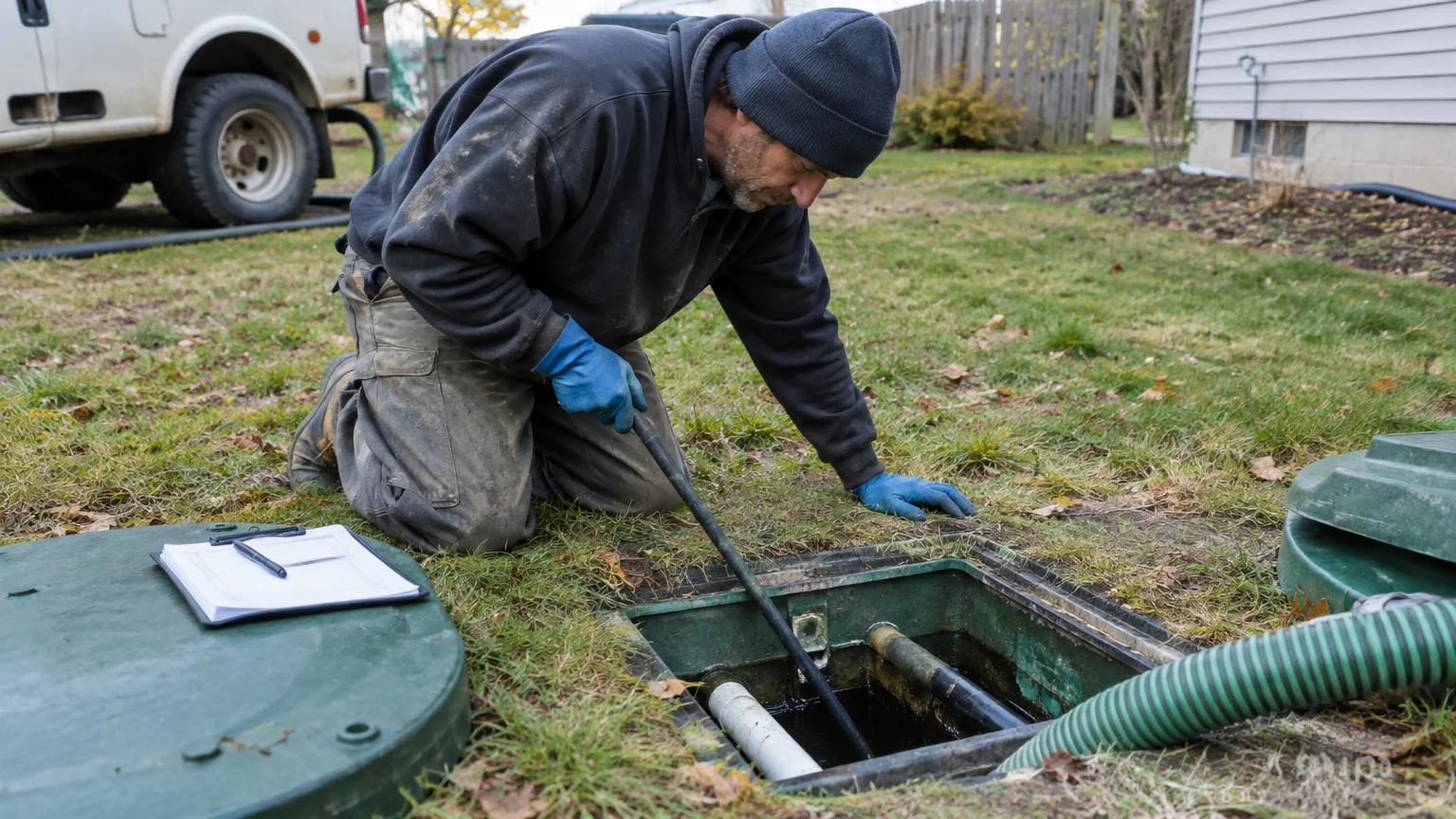
- What are the main septic tank designs?
- How can septic tank design affect system performance?
- What does a septic system warning sign mean?
- What causes septic tank design-related problems?
- What should you do when a septic system shows signs of failure?
- When is a septic system problem urgent?
- How can property owners choose and maintain the right septic tank design?
- Frequently Asked Questions
What are the main septic tank designs?
Septic tank designs fit into two broad groups. These are conventional gravity systems and alternative treatment systems. Both collect wastewater in a buried tank. Their main difference is how wastewater is treated and moved to the drainfield.
Conventional gravity septic systems
A conventional system has a septic tank, outlet pipe, and drainfield. Wastewater flows into the tank by gravity. Heavy solids settle at the bottom as sludge. Fats and oils rise as scum. The liquid layer in the middle leaves through the outlet pipe.
The drainfield is also called a leach field. It spreads treated wastewater through the soil. The soil removes many harmful particles before the water moves farther underground. This design works best when soil, groundwater, slope, and open land meet local rules.
A septic tank is the buried container that separates solids from liquid waste. A septic system includes the tank, pipes, drainfield, soil, and other parts. This difference matters because a problem may be outside the tank itself.
Alternative septic tank designs and treatment systems
Alternative systems may use pumps, filters, air treatment, pressure lines, or extra treatment units. They can help on lots with shallow soil, high groundwater, steep slopes, little space, or hard soil. Some need power and more regular checks than gravity systems.
A trained designer or local health department often helps choose the system. Septic Tank Pumping Monroe can help Monroe property owners understand what to ask before service or inspection. A design that works on one lot may fail on another because site conditions are different.
How can septic tank design affect system performance?
Design affects how much wastewater a system can handle. It also affects how evenly water reaches the soil. A good design fits the home, soil, lot, and daily water use. A poor match can lead to slow drains, odors, wet ground, or early failure.
Drainfield layout, soil, and site conditions
The drainfield needs enough room and the right soil. Soil that drains slowly can hold wastewater close to the surface. Soil that drains too fast may not clean the water well enough. A perc test, or percolation test, checks how quickly water moves through soil.
A qualified local worker or health department usually decides who may perform this test. The drainfield also needs protection from cars, sheds, pools, large trees, and heavy grading. Soil can become packed and lose its ability to take in water. Tree roots may enter damaged pipes or disturb the field.
Roof and driveway water should flow away from the drainfield. Extra rainwater can fill the soil and leave less room for septic wastewater. Keeping clean stormwater away helps the field work as planned.
Tank materials, capacity, and access
Concrete, fiberglass, and plastic tanks each have different features. Concrete tanks are heavy and strong, but they can crack or shift. Plastic and fiberglass tanks resist some corrosion, but groundwater may move them. Soil and local rules help guide the best choice.
Tank size should match expected wastewater use. A home with many residents, guests, or high-flow fixtures can put extra strain on a small system. Easy access also matters. Buried lids make inspection and septic pumping harder. Broken or weak covers can create a serious safety risk.
What does a septic system warning sign mean?
A warning sign means wastewater may not be moving, settling, or treating correctly. One symptom does not prove that the tank has failed. Still, several signs together need quick attention, especially near the tank or drainfield.
Slow drains, backups, and sewage odors
Slow drains across the property may point to a full tank, blocked pipe, or failing drainfield. One slow sink often has a small clog instead. Toilets that gurgle when another fixture runs may show a problem with air or wastewater flow.
Sewage odors near the tank, cleanout, or drainfield may mean gases are escaping. They may also show that wastewater is reaching the surface. A broken lid, blocked vent, damaged pipe, or full tank can cause odors.
Do not open a tank without proper training. Septic gases can hurt or kill people. Tank openings can also cause falls. These are not safe places for children, pets, or untrained adults.
Wet spots, standing water, and unusually green grass
Wet ground over a drainfield can mean the soil cannot take in more wastewater. Standing water with a sewage smell is more serious than normal rainwater. Grass that looks much greener in one spot may show that wastewater and nutrients are reaching the surface.
Other causes are possible. Irrigation, rain, a broken water line, or poor yard drainage can create similar signs. Location and timing matter. Septic Tank Pumping Monroe can help property owners compare these signs with the condition of the septic system during a proper review.
What causes septic tank design-related problems?
The cause is often a flow or maintenance issue, not a completely wrong design. Problems may grow slowly. The first clear sign may appear long after installation. An inspection can help rank the likely causes instead of guessing from one symptom.
Most likely causes ranked by probability
Common causes include overdue pumping, heavy water use, a blocked outlet filter, a clogged pipe, or damage near the tank. These issues restrict flow and can make a healthy system act like a failing one. Heavy rain can also fill the drainfield soil and reduce its ability to accept water.
Other causes include flushing wipes, pouring grease into drains, using harsh chemicals often, or driving over the drainfield. These actions can damage pipes, add solids, or harm the soil. They may not cause failure at once, but repeated strain can shorten system life.
Homeowners can safely spread laundry loads, keep vehicles off the field, and avoid flushing anything except waste and toilet paper. These simple steps do not replace a professional check when warning signs continue.
Less common design, installation, and maintenance issues
Less common problems include an undersized tank, poor drainfield placement, crushed pipes, a failed pump, tank settlement, or groundwater entering the system. Older systems may lack parts used in newer designs. That does not always mean the system needs replacement.
A design problem should be confirmed with records, measurements, and site checks. Property owners should not assume septic pumping will solve every issue. Pumping removes stored solids, but it does not repair damaged soil, broken pipes, or faulty pumps.
A septic tank replacement may be considered when the tank is badly damaged or cannot meet current needs. A professional should first check whether a repair or other fix can solve the problem.
What should you do when a septic system shows signs of failure?
First, reduce wastewater use and keep people away from sewage. Children and pets should stay away from wet areas. Do not drive over the tank or drainfield when the soil is soft.
Immediate steps to protect the property
Use water only for basic needs until the cause is known. Avoid several laundry loads, long showers, and large amounts of water at one time. Do not pour drain chemicals into the system. Keep tank lids closed, and mark unsafe areas without digging.
Write down the date, place, smell, weather, and type of symptom. Photos may help show wet ground or unusual grass. A simple record also helps compare conditions after pumping, repairs, or an inspection.
Information to gather before a professional inspection
Useful records include the tank location, pumping history, permits, inspection reports, repair records, and household size. Note recent additions, landscaping work, heavy rain, plumbing changes, or unusual water use.
A professional may check the tank, baffles, outlet filter, pipes, pump, alarms, and drainfield. The review may also look for leaks or wastewater on the surface. These checks help show whether pumping, a repair, a drainfield review, or a wider system check is needed.
When is a septic system problem urgent?
A septic problem is urgent when sewage reaches the surface, backs up into a building, creates a fall risk, or may affect a well or waterway. Quick action protects health and limits damage. Waiting can spread wastewater through soil, yards, crawl spaces, or nearby water.
Health and environmental hazards that need prompt attention
Raw sewage can contain harmful germs. Do not touch it, and keep pets away. Anyone working near contaminated water should follow local health guidance and use proper protective gear.
Urgent signs include sewage inside the home, wastewater near a well, strong odors indoors, a flooded electrical pump area, or a damaged tank lid. Never enter a septic tank. Dangerous gases and low oxygen can cause death without warning.
When pumping, repairs, or a full system evaluation may be needed
Pumping may help when a tank has too much sludge or scum. It will not fix every cause of failure. A blocked line, broken baffle, damaged pump, filled drainfield, or poor site design may need separate work.
A full system review is useful when signs return soon after pumping, several parts have problems, or a property is being bought or sold. Local rules may also require an inspection during a property transfer. Septic Tank Pumping Monroe serves Monroe and nearby communities, including Downtown Monroe, Walnut Grove, Good Hope, Between, and Loganville. The team can help property owners plan the next step.
How can property owners choose and maintain the right septic tank design?
The right system starts with a site review, not tank size alone. Owners should think about soil, slope, groundwater, open space, household use, power needs, and future changes. A qualified designer should explain how each part works and what care it needs.
Questions to ask before installing or replacing a system
Property owners should ask:
- Which system types fit the soil and lot?
- How will the drainfield stay safe from traffic and runoff?
- Does the system need power, alarms, filters, or pumps?
- Where are the tank, lids, pipes, and drainfield located?
- Which records and permits should the owner keep?
- Which warning signs require fast service?
Ask how the design handles expected water use. A first-time buyer may want a septic inspection before closing. Investors and landlords should check access, maintenance records, and local rules before planning changes.
Maintenance practices that help prevent future failure
Regular pumping based on use, tank size, and solids buildup helps keep solids out of the drainfield. Follow the schedule suggested by a qualified professional instead of relying only on a set date. Water-saving fixtures and spread-out laundry loads can reduce sudden flow.
Only human waste and toilet paper should go down the toilet. Grease, wipes, paint, chemicals, medicines, and litter belong elsewhere. Keep heavy equipment, deep-rooted plants, and new structures away from the drainfield.
Homeowners can safely watch for odors, wet ground, slow drains, and damaged lids. They can also keep records and protect the field. They should call a professional for sewage backups, electrical pump issues, tank damage, repeated symptoms, or any work that requires opening the tank.
Key takeaways
- Septic tank designs must fit soil, slope, groundwater, and home use.
- Slow drains, odors, wet spots, and green grass can signal trouble.
- Pumping removes solids but cannot fix every drainfield or design issue.
- Sewage backups and surface wastewater need prompt attention.
- Good records and safe maintenance help protect the whole system.
Conclusion
A septic system works as one connected unit. The tank, pipes, soil, drainfield, and care plan all matter. When warning signs appear, early action can limit damage and help find the real cause.
Septic Tank Pumping Monroe helps property owners understand septic concerns and the surrounding service area. Contact us to discuss a septic concern or arrange the next suitable service step.
Frequently Asked Questions
How deep should a septic tank be?
A septic tank is usually buried deep enough to protect the tank and pipes. The lids should still be reachable for inspection and pumping. Exact depth depends on the design, soil, frost, slope, and local rules. Never dig blindly because buried utilities and unsafe tank openings may be nearby.
What is a septic tank?
A septic tank is a buried container that receives wastewater from a building. Heavy solids settle, lighter material floats, and liquid leaves for the drainfield. The tank does not clean wastewater by itself. The soil and drainfield provide much of the remaining treatment.
Who performs a perc test?
A perc test is often arranged through a qualified soil worker, septic designer, engineer, or another person approved by the local health department. Rules vary by area. The local authority can explain who may perform the test, what paperwork is needed, and how the result affects the design.
How do you spell cesspool?
The word is spelled cesspool. A cesspool differs from a modern septic system because wastewater usually seeps through its sides or bottom. It does not use the same tank-and-drainfield design. Local rules may limit cesspools, so ask the health department about an older property.
How can owners tell when a septic tank needs pumping?
Warning signs may include slow drains, sewage odors, backups, or wet ground near the drainfield. Some tanks show no clear sign before trouble starts. Pumping needs depend on tank size, household use, solids buildup, and local guidance. A qualified professional can inspect the tank and suggest the next step.
If you are not sure what you are dealing with, it is worth having someone look at it before it turns into a bigger job. Get in touch with Septic Tank Pumping Monroe today and we will tell you where you stand.