Septic tank smells often come from a dry plumbing trap, blocked vent, full tank, clogged pipe, or drainfield issue. A mild outdoor smell may need simple upkeep, but indoor sewage, standing wastewater, or strong gas smells need quick action. Limit contact with waste and arrange an inspection when the smell continues.
Table of Contents
- What Do Septic Tank Smells Usually Mean?
- Why Does My House Smell Like a Septic Tank?
- What Causes Septic Tank Smells Outside?
- Can a Full Septic Tank Cause Bad Smells?
- Could a Blocked Pipe or Septic Clog Be Causing the Smell?
- What Should You Do When You Notice Septic Tank Smells?
- How Can You Tell Whether Septic Odours Are a Health Risk?
- When Are Septic Tank Smells an Emergency?
- How Do Professionals Find and Fix the Source of Septic Odours?
- How Can You Prevent Septic Tank Smells in the Future?
- Frequently Asked Questions
What Do Septic Tank Smells Usually Mean?
Septic tank smells often mean sewer gas or wastewater is escaping. The source may be inside the home, near the tank, beside a cleanout, or over the drainfield. The smell alone cannot show the exact cause. Where it starts and when it appears give better clues.
A septic system treats household wastewater in an underground tank and drainfield. The tank holds solid waste while liquid moves into the drainfield. Soil helps treat that liquid. A healthy system may have a faint earth smell near some outdoor parts. It should not create a strong, lasting sewage smell near living areas.
How can normal odours differ from warning signs?
A short smell near an open access point may happen during service. Warm weather, wet soil, and wind can also make outdoor smells easier to notice. The smell should fade. It should not come with slow drains, wet ground, or sewage.
Warning signs include a rotten-egg smell indoors, repeated smells near drains, gurgling toilets, and slow fixtures. Wastewater on the ground is another warning sign. A strong smell near the tank may mean a loose lid, damaged seal, blocked vent, or tank that needs care.
Where is the smell coming from?
Start by noting where the smell is strongest. A bathroom drain may point to a dry trap. A roof vent may be blocked. A smell near the tank may involve the lid, inlet, outlet, or tank level. A wet, foul-smelling patch near the drainfield may show that soil cannot take wastewater well.
Septic Tank Pumping Monroe helps property owners in Monroe sort these clues into safe next steps. A local review may help with a home, rental, business, or property being prepared for sale.
Why Does My House Smell Like a Septic Tank?
A house may smell like a septic tank when a plumbing trap dries out, a vent blocks, or wastewater cannot leave the home. The simplest cause is often an unused sink, shower, floor drain, or guest bathroom. Indoor smells can also mean a backup or broken pipe.
A plumbing trap is the curved part of a drainpipe that holds water. That water blocks sewer gas from entering the room. When a fixture sits unused, the water can dry up. This leaves a path for smells to enter.
Could a dry trap or blocked vent be the cause?
A homeowner can safely run water into an unused sink, shower, tub, or floor drain. This may refill the trap and reduce the smell. A little water in a rarely used drain can help keep the seal. Chemical products should not be used as a routine septic fix.
Blocked plumbing vents can also cause smells, gurgling, and slow drainage. Vents often extend through the roof. Climbing onto the roof is not a safe homeowner check. Leaves, nests, ice, and debris may block the pipe. A qualified professional can inspect it safely.
Which indoor odours need prompt attention?
A sewage smell in a basement, bathroom, crawl space, or utility room needs attention if it continues after water is added. Sewage backing into a tub or floor drain is more serious. It may mean a building sewer blockage, a full septic tank, or a damaged line.
Open windows only when it is safe. Keep people away from visible wastewater. Stop using extra water until the cause is clearer. Septic Tank Pumping Monroe can help homeowners decide if the issue needs pumping, drain work, or a wider septic inspection.
What Causes Septic Tank Smells Outside?
Outdoor septic tank smells may come from a loose lid, damaged seal, blocked vent, full tank, broken pipe, or drainfield trouble. Wet weather and poor soil drainage can make smells stronger. Rain alone should not cause repeated sewage smells. The pattern around the property offers useful clues.
The tank is often placed underground between the home and drainfield. Its distance from the house depends on local rules, site design, access, and the original installation. A tank may be shallow or deep. Do not dig or drive equipment across the area without knowing where the system sits.
What do drainfield and soil conditions show?
A drainfield is the part of a septic system where treated liquid enters the soil. It may smell when wastewater rises, when soil stays wet, or when the system gets more water than it can handle. Bright green grass, soggy ground, standing water, and slow drains may appear with a failing drainfield.
Do not use the drainfield as a parking area or storage space. Avoid planting deep-rooted plants there. Keep roof water and sump-pump discharge away from it. Extra water can overload the soil and make smells worse.
Could the tank lid or another component be damaged?
A loose or cracked lid can release sewer gas. It can also create a fall hazard. Damaged risers, seals, cleanouts, and inspection ports may do the same. Do not open, move, or cover these parts without proper care.
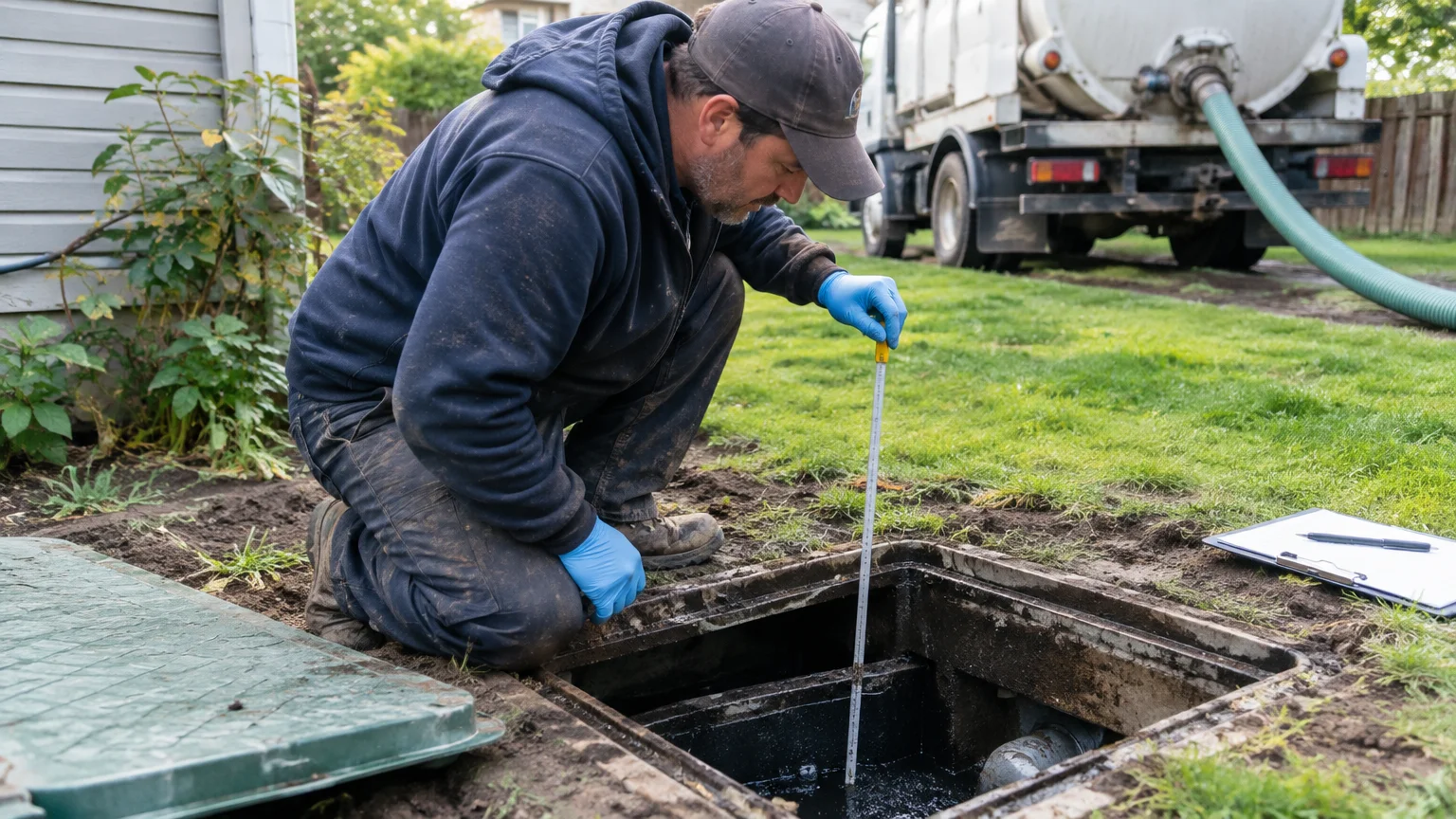
A homeowner may look from a safe distance for wet ground, broken covers, or unusual settling. Never enter a tank. Septic tanks can hold dangerous gases and have little oxygen. A professional can locate the tank, check access points, and look for damage safely.
Can a Full Septic Tank Cause Bad Smells?
Yes, a full septic tank can cause bad smells, but an odour alone does not prove pumping is needed. Solids and scum take up space as they build up. Wastewater may then move slowly, press toward the outlet, or back up into plumbing.
Septic tanks need care based on tank size, household use, water flow, and solid waste. A large household, frequent guests, garbage disposal, or busy business may need a different schedule than a small home.
How do tank levels affect odours?
A tank with a high liquid level may struggle to receive more wastewater. This can cause slow drains, gurgling fixtures, or smells near the tank and plumbing. A damaged outlet baffle or blocked effluent filter can cause similar signs.
The tank level should be checked during a proper inspection. Guessing from the smell may lead to the wrong repair. Septic pumping may help when solids or scum are the problem. It will not fix a damaged pipe, failed drainfield, or blocked vent.
What signs suggest the tank may be overdue for pumping?
The strongest clues are several symptoms at once. These may include:
- Several slow drains across the property
- Toilets that gurgle or drain poorly
- Sewage backing into a shower, tub, or floor drain
- Foul smells near the tank or drainfield
- Wet, very green, or sunken ground over the drainfield
- No clear record of the last septic service
Keep pumping and inspection records. Tenants should report changes early and avoid flushing unusual items. Investors and buyers should request system records. They should also arrange a professional review before trusting the system's condition.
Could a Blocked Pipe or Septic Clog Be Causing the Smell?
A blocked pipe or septic clog can cause smells by trapping wastewater and sewer gas. One slow sink may point to a local drain blockage. Slow fixtures across the home suggest a larger issue in the building sewer, septic tank, outlet, or drainfield.
Common causes include too much paper, wipes, grease, coffee grounds, hygiene products, diapers, and objects flushed by children. Some products sold as flushable do not break down like toilet paper. Grease can harden inside pipes and collect other waste.
Which household habits can create clogs?
Toilet paper and human waste are the only common items that belong in a septic toilet. Cooking grease should cool and go into household waste. Food scraps should also stay out of plumbing unless the system and local guidance support garbage disposal use.
A small sink or tub clog may be handled with a plunger when no sewage is present. Stop if wastewater rises, several fixtures are affected, or plunging does not work. Repeated chemical drain cleaners can harm pipes and upset septic treatment. They may also hide the real cause.
How do backups connect to odours?
A backup means wastewater cannot move through the system as it should. Pressure may force sewage toward the lowest fixture. Trapped gas may move through drains or cracks. The clog may be near the home or farther along the septic line.
Do not keep flushing or running water to test a system that is backing up. This adds more liquid to the blocked path. A professional can decide whether pumping, line cleaning, or component repair is needed.
What Should You Do When You Notice Septic Tank Smells?
When septic tank smells appear, first locate the odour without touching wastewater, lids, or electrical equipment. Reduce water use. Keep children and pets away from wet areas. Note which fixtures or yard areas are affected.
A homeowner may safely run water into an unused drain when there is no backup. They may check whether a toilet, sink, or shower is slow. Do not dig, open the tank, climb onto the roof, or walk through sewage.
What safe steps can a homeowner take?
- Stop using water if several fixtures drain slowly or sewage rises.
- Keep people and pets away from wastewater, wet soil, and tank covers.
- Open a window only when there is no strong gas concern.
- Note where the smell began and whether rain came first.
- Find service records without opening or disturbing the system.
- Arrange a septic inspection if the odour continues or returns.
Tenants should tell the property owner or manager quickly. Business owners should keep customers and staff away from affected areas. A home buyer should not treat a temporary loss of smell as proof of a healthy system.
What should be avoided before an inspection?
Avoid bleach, solvents, drain acids, septic additives, and large amounts of water used to hide the smell. Do not cover wet ground with soil. Do not seal a vent before finding the cause. Do not drive over the drainfield or use heavy equipment near the tank.
These actions can spread wastewater, damage parts, or make inspection harder. Notes and photos taken from a safe distance can help a professional understand the issue. They also reduce the need for anyone to enter an unsafe area.
How Can You Tell Whether Septic Odours Are a Health Risk?
Septic odours may be a health risk when they come with sewage, dirty soil, or poor airflow. Wastewater can carry germs. Sewer gas may contain irritating or dangerous gases. A rotten-egg smell can come from hydrogen sulfide, but smell strength does not show gas levels.
People may notice headaches, dizziness, nausea, eye irritation, or breathing trouble. Anyone with symptoms should leave and seek medical advice. Never enter a septic tank, pit, or enclosed space to investigate an odour.
How can families, children, and pets stay safe?
Children and pets should stay away from tank covers, drainfield puddles, and sewage. Pets may track dirty water indoors or drink from wet areas. Shoes, tools, and clothing that touch wastewater should stay away from clean rooms.
Keep doors closed between affected rooms and the rest of the home when possible. Do not use fans if they may spread dirty air through the property. If sewage enters the home, a qualified cleanup service may be needed after the source is controlled.
When should occupants leave the building?
Leave if there is a strong indoor gas smell, sudden dizziness, breathing trouble, or a large sewage release. Do not use switches, flames, vehicles, or other possible ignition sources near suspected gas. Once outside, contact the right emergency service or qualified professional.
A normal outdoor smell does not always require evacuation. Repeated smells still deserve attention. Early action may keep a small plumbing issue from becoming a larger property problem.
When Are Septic Tank Smells an Emergency?
Septic tank smells become an emergency when sewage overflows, wastewater rises quickly, a tank cover is damaged, or people may face dangerous gas. A strong indoor smell with illness symptoms also needs quick action. The danger matters more than the smell alone.
Emergency signs include sewage flowing from a cleanout, a toilet backing up with waste, a large wet area over the drainfield, or a broken tank lid. Electrical equipment near water creates another serious danger.
What should happen during an overflow?
Stop water use throughout the property. Keep everyone away from the affected area. Do not wash sewage into a drain, ditch, or street. Avoid contact with the liquid. Do not use electrical tools near it.
A professional can check whether the overflow involves a full tank, blocked line, failed outlet, or drainfield issue. Local authorities may need notice when wastewater reaches public areas, wells, waterways, or nearby land. Local rules guide the right response.
What gas, structural, and electrical dangers matter?
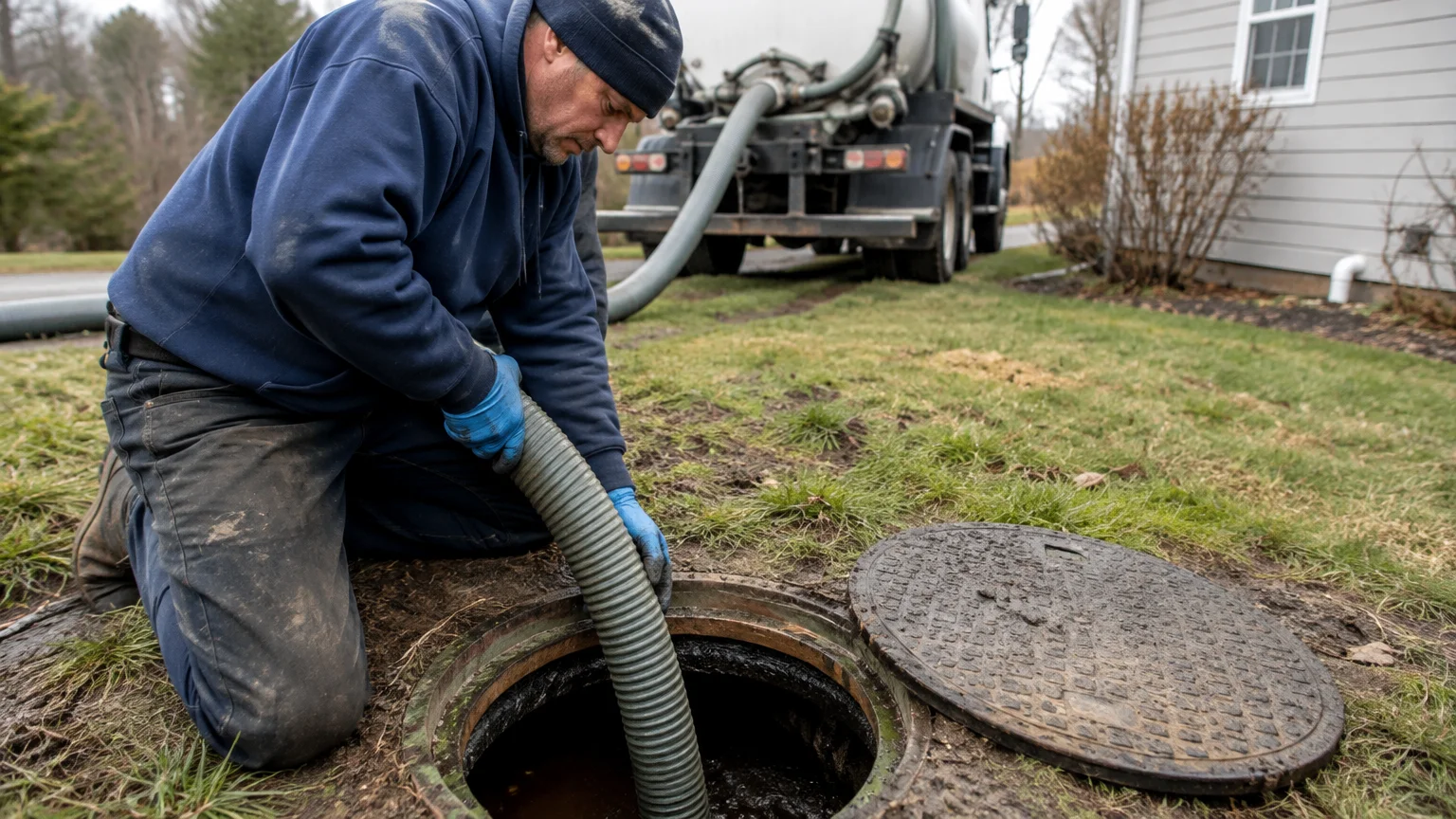
Never enter a septic tank, even if someone appears trapped inside. Toxic gases and low oxygen can overcome a person quickly. A cracked lid, open access point, sinking ground, or exposed pipe creates a fall or contact hazard.
If water reaches an electrical panel, outlet, pump, or appliance, leave the property. Wait for qualified emergency help. Do not restart the system until the danger is checked. Emergency pumping may address tank conditions, but electrical and structural dangers may need other specialists.
How Do Professionals Find and Fix the Source of Septic Odours?
Professionals find septic odours by following the smell, reviewing symptoms, checking plumbing, and examining the septic system. They may inspect fixtures, vents, cleanouts, tank access points, filters, baffles, lines, and the drainfield. The inspection findings guide the repair.
A visit may include a tank-level check, pumping when needed, line inspection, or a flow test between parts. Some systems have pumps, alarms, filters, or special treatment parts. These need their own checks. The owner should receive a clear explanation of the findings.
What can inspection and pumping show?
Pumping removes built-up solids and scum from the tank. It can help when the tank is full or overdue for service. It does not repair a crushed pipe, failed drainfield, blocked roof vent, broken lid, or damaged tank wall.
A professional may inspect the inlet and outlet areas, check filters, and look for escaping sewage. If a property is being bought or sold, an inspection may review records, tank location, parts, and the drainfield. The final cost is confirmed on a quote and depends on access, system size, urgency, damage, parts, and required work.
What repairs may solve the odour?
The repair may involve cleaning a blocked line, replacing a seal, securing a lid, clearing a vent, repairing a pipe, servicing a pump, or improving drainage near the system. A drainfield problem may need a deeper review. Pumping alone may not solve it.
Septic Tank Pumping Monroe can help Monroe property owners understand which option fits the evidence. A written record of inspections, pumping, and repairs can help with future maintenance. It can also help a new owner or tenant understand the system.
How Can You Prevent Septic Tank Smells in the Future?
The best way to prevent septic tank smells is to use less water at one time. Keep solids and chemicals out of the system. Follow a planned inspection and pumping routine. Records matter because a missed service history makes symptoms harder to explain.
Learn where the tank, drainfield, cleanouts, and vents are located. Share this information with tenants, caretakers, and future buyers. A simple site sketch can help prevent digging, paving, or planting in the wrong place.
Which maintenance habits help most?
- Fix dripping taps and leaking toilets promptly.
- Spread laundry loads across the week.
- Flush only human waste and toilet paper.
- Keep grease, wipes, chemicals, and medicines out of drains.
- Keep vehicles and heavy storage off the drainfield.
- Keep roof water and surface runoff away from the system.
- Record inspections, pumping, repairs, and unusual symptoms.
A tenant may not control the tank, but reporting smells early can prevent damage. Homeowners should not wait for a backup before seeking advice. Investors should include the septic system in property planning.
What are the key takeaways?
- A strong or lasting odour is a warning sign, especially indoors.
- Dry traps and blocked vents can cause simple problems, but repeated smells need a closer look.
- A full tank may cause odours, yet pumping will not fix every septic failure.
- Sewage, wet drainfield soil, and gurgling drains need prompt attention.
- No one should enter a septic tank or handle unsafe wastewater.
Septic tank smells are easier to solve when the source is found early. Septic Tank Pumping Monroe supports property owners across Monroe, from Downtown Monroe to Walnut Grove, Good Hope, Between, Loganville, and nearby communities. The team provides guidance for septic pumping, inspections, maintenance, and related concerns. Contact us to arrange the next step for the property.
Frequently Asked Questions
Why does a septic tank smell after heavy rain?
Heavy rain can soak the soil and slow the drainfield. Surface water may also move toward the tank or drainfield. A brief outdoor smell may fade as the ground dries. Standing wastewater, slow drains, or repeated septic tank smells need a professional inspection.
How far should a septic tank be from a house?
The required distance depends on local rules, soil, property design, and system type. The tank should be easy to reach for service. It should also sit away from unsafe locations. Check the approved site plan or ask a qualified local professional rather than guessing or digging.
How deep should a septic tank be?
Tank depth depends on the installation, soil, slope, frost, and pipe layout. Some tanks are shallow. Others have risers or deeper access points. Never dig to find one. A septic professional can locate the tank and identify its covers safely.
Who performs a perc test?
A licensed or approved soil professional, engineer, health department worker, or other authorized specialist may perform a perc test. The test checks how quickly soil absorbs water for a planned septic system. Rules vary by area, so the local permitting office can explain the process.
Who installs septic tanks near me?
Septic tanks are usually installed by licensed or permitted septic contractors. They understand local rules, soil, tank placement, and drainfield design. Before work begins, confirm licensing, permits, insurance, and experience with the planned system.
If you are unsure what you are dealing with, arrange a professional review before the issue grows.
If you are not sure what you are dealing with, it is worth having someone look at it before it turns into a bigger job. Get in touch with Septic Tank Pumping Monroe today and we will tell you where you stand.