Proper care for septic system health means using water wisely, keeping harmful waste out, protecting the drainfield, and planning professional service. Homeowners can handle simple checks and daily upkeep. Trained help is needed for septic tank pumping, inspections, and repairs. These steps help protect homes and septic systems in Monroe.
Table of Contents
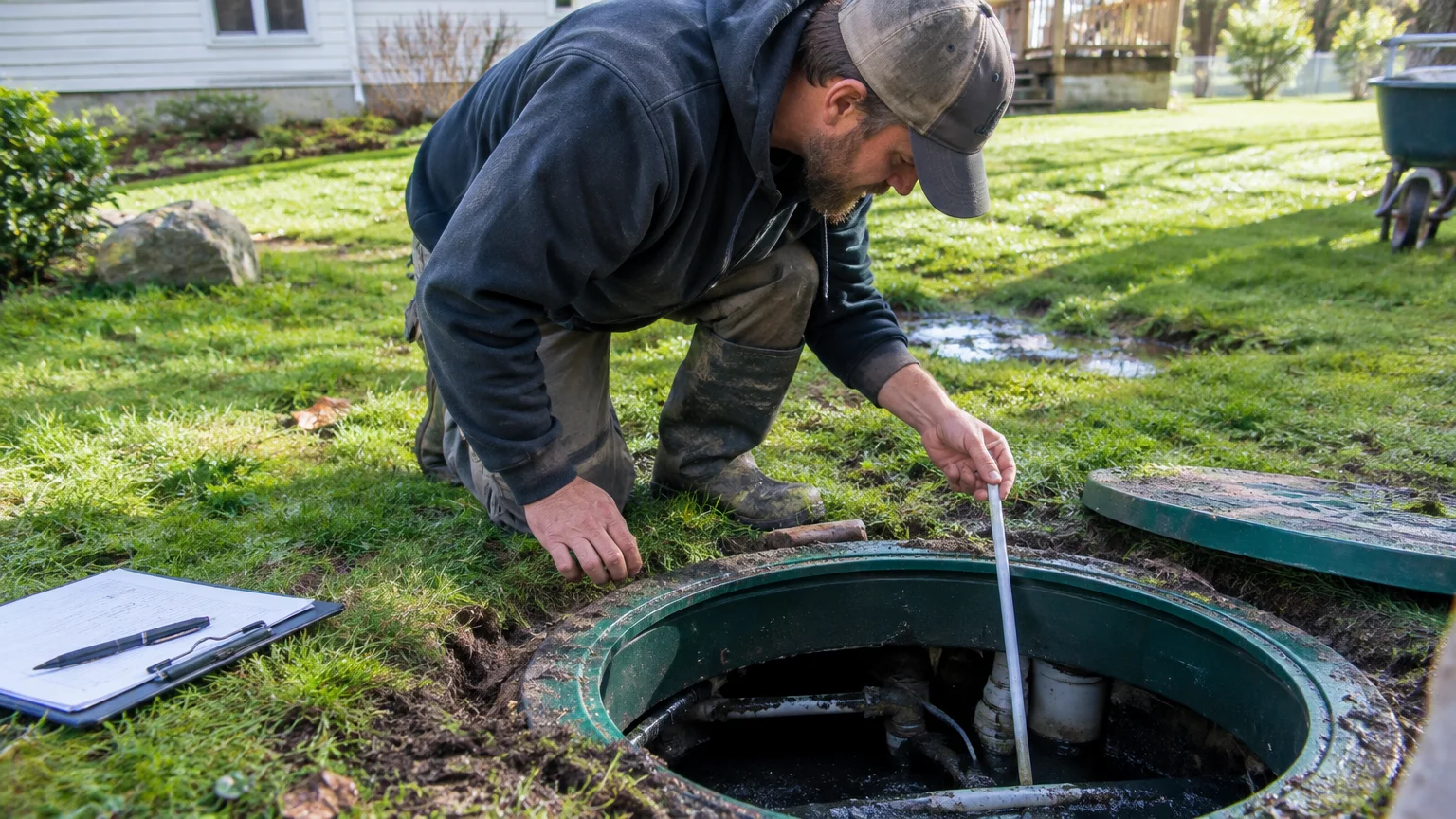
- What does proper care for a septic system involve?
- Which septic system tasks can homeowners handle?
- When should a septic professional handle maintenance?
- How do you care for a septic system between pump-outs?
- How often should a septic tank be pumped and inspected?
- What can go wrong when septic maintenance is neglected?
- When should you call a septic tank pumping professional?
- Frequently Asked Questions
- Key takeaways
- Conclusion
What does proper care for a septic system involve?
Proper care includes safe daily habits, regular checks, and planned septic service. A septic system treats wastewater from a home. It often includes a septic tank, outlet parts, and a drainfield. The tank holds wastewater while natural processes separate solids, liquids, and scum.
Good maintenance helps the system work with less strain. It also gives owners time to find small issues before they cause backups or yard damage. Care for septic system health starts with water use and safe waste disposal.
How septic systems work and why maintenance matters
Wastewater flows from the home into the tank. Heavy solids sink and form sludge. Lighter waste floats and forms scum. The liquid layer leaves through an outlet and moves toward the drainfield.
The soil in the drainfield filters and treats the liquid. The tank cannot hold solids forever. Sludge and scum slowly take up space meant for wastewater. Solids may then move toward the drainfield and block the flow.
Regular pumping removes this buildup before it causes larger problems. Septic pumping also lets a trained provider check parts that homeowners cannot safely inspect. This work can help protect the system and the property.
Which household habits protect the tank and drainfield?
Good habits are simple. Fix leaking faucets and toilets. Spread laundry across the week instead of doing many loads at once. Keep grease, wipes, paint, chemicals, and medicine out of household drains.
A toilet should receive human waste and toilet paper only. Keep sheds, pools, patios, deep-rooted plants, and parked vehicles off the drainfield. Grass often works well over this area because it helps manage surface water without adding heavy weight.
Septic Tank Pumping Monroe helps property owners understand which habits fit their tank, drainfield, and site. Monroe homeowners should follow the system plan instead of copying a neighbor’s routine.
Which septic system tasks can homeowners handle?
Homeowners can safely handle many simple checks. They can look for leaks, keep service records, protect access covers, and watch for changes in drains or the yard. They can also limit water use and keep harmful waste out of the plumbing.
A homeowner should not open a tank, enter a tank, dig near buried parts, or try repairs. Septic tanks can contain dangerous gases and germs. Buried pipes may sit near utility lines or unstable soil. A wrong repair can create more damage.
Routine inspections, records, and water-use monitoring
A homeowner can check visible pipes for leaks. Listen for a toilet that keeps running after a flush. A water meter may help show unusual use. A sudden rise can point to a leaking fixture or pipe.
Keep records in one safe place. Useful records include the last pump-out, inspection notes, tank location, repair history, and permits. A simple sketch can show the tank, cleanout, and drainfield. This helps a provider work safely later.
Spread out heavy water use when possible. Several laundry loads in one day can send a large surge into the tank. That surge may add strain and increase the chance of pooling near the drainfield.
What should tenants, buyers, and property investors check?
Tenants should ask who handles septic maintenance. They should also ask how problems are reported. Learn where vehicles, sheds, and other heavy items must stay away from the drainfield.
Owners should give tenants clear rules about wipes, grease, chemicals, and excess water. Buyers and investors should request pump-out records, inspection reports, permits, and repair papers when available. They should also ask where the tank and drainfield are located.
A professional review may be wise before a sale. This is especially true when records are missing or warning signs are present. These checks help people understand the system before they take on its care.
When should a septic professional handle maintenance?
A septic professional should handle work involving the tank, buried pipes, electrical parts, sewage, or drainfield. Pumping needs proper equipment and safe waste handling. Inspections need trained judgment because key parts may be hidden or damaged.
A tank can contain dangerous gases and harmful germs. No one should enter a tank, even if it looks empty. A professional can find the tank, uncover access points, remove solids, and check parts without unsafe guesses.
Why pumping, tank inspections, and repairs require trained help
Septic system pumping services may include checks of baffles, filters, lids, and the area around the tank. Baffles help guide wastewater through the tank. The work depends on the system design and its condition.
Repairs may involve pipes, pumps, controls, distribution parts, or the drainfield. These jobs are not safe for a homeowner to diagnose casually. Digging can also be risky. A buried tank or pipe may sit near roots, utility lines, or weak soil.
A trained provider can plan the work and use the right tools. The provider can also handle wastewater in a safer way. Septic Tank Pumping Monroe can explain the next step when a tank needs professional attention.
What property owners should do before scheduling service
Gather service records before making an appointment. Write down recent signs such as slow drains, sewage odors, wet grass, standing water, toilet backups, or very green grass. Tell the provider about recent plumbing work or home additions.
Keep the access area clear. Move pets, children, parked vehicles, and stored items away from the work area. Easy access helps the provider work safely and finish the visit with less delay.
How do you care for a septic system between pump-outs?
Between pump-outs, control what enters the system and manage water use. Protect the drainfield as well. These steps help the tank work as designed, but they do not replace pumping or inspection.
Repair dripping faucets, running toilets, and leaking supply lines. Keep grease, wipes, and chemicals out of drains. Spread laundry, showers, and dishwasher use across several days. Keep tank lids secure and access points easy to find.
Watch the yard for odors, soggy soil, or unusual green growth. Keep heavy vehicles, buildings, and stored items off the drainfield. These habits are a key part of care for septic system health.
How products and waste affect septic performance
Products marked septic-safe still need careful use. That label does not make a system able to accept paint, solvents, grease, or strong chemicals. Follow local waste rules for these items instead of pouring them into a sink or toilet.
Wipes may not break down like toilet paper, even when a package says they flush. Keep medicine out of household drains. Too much unsuitable waste can affect the natural treatment process. It may also reduce flow through the tank and drainfield.
How landscaping, vehicles, and construction affect the system
Roots can enter damaged pipes and affect flow. Deep digging can damage tanks, pipes, and distribution lines. Heavy vehicles may pack down soil over the drainfield. Packed soil cannot accept wastewater as well.
Before adding a driveway, shed, pool, fence, or patio, find the septic parts. The owner may need local approval or a site review. Each property has a different layout, so a site plan is safer than a guess.
How often should a septic tank be pumped and inspected?
A septic tank should be pumped and inspected based on tank size, home use, wastewater strength, and solid buildup. No single schedule fits every property. A professional can review the records and suggest a plan for that system.
A small tank may fill faster than a larger tank serving the same number of people. More residents, guests, a garbage disposal, and high water use can add solids or liquid faster. Older systems may need closer checks when parts wear or records are limited.
Part-time homes still need care. Long periods of low use do not remove sludge from the tank. Rentals, vacation homes, businesses, and large households may need a plan that matches changing use.
Pump-out timing should follow inspection findings and local rules. Keep a record of when work happened and what the provider found. This history helps future providers give better advice. It also helps buyers and investors understand the system.
Signs that the system needs attention sooner
Do not wait for the next planned visit when warning signs appear. Common signs include:
- Slow drains throughout the home instead of one blocked fixture.
- Sewage odors inside the home or near the tank and drainfield.
- Wet spots, standing water, or very green grass over the system.
- Gurgling toilets or wastewater backing up into sinks and tubs.
- Sewage near the tank, cleanout, or drainfield.
These signs may have more than one cause. A professional can test the system and find the source. Monroe homeowners should act quickly when wastewater reaches the yard. People and pets should avoid contact.
A warning may come from a full tank, blocked pipe, leaking fixture, damaged outlet part, or drainfield problem. Covering the area or guessing at a repair can delay the right help.
What can go wrong when septic maintenance is neglected?
Neglected maintenance can lead to backups, odors, sewage exposure, pipe damage, and drainfield failure. Small issues often become harder to fix when wastewater keeps entering the system. Early action gives the owner more choices.
Excess solids can leave the tank and reach the drainfield. Grease can coat pipes and reduce flow. Wipes may not break down like toilet paper. Strong chemicals may affect natural treatment or damage system parts.
Too much water can also overwhelm the system. A leaking toilet may send a steady flow into the tank. This is why simple home checks matter between professional visits.
How water, weather, and soil conditions add strain
Heavy rain can add water to a damaged system or flood the drainfield. Packed soil, blocked pipes, and broken distribution parts may stop wastewater from spreading correctly. Several slow drains may point to a full tank or blocked main line.
A damp patch may seem like a yard issue, but it can signal wastewater near the surface. Odors may mean gases or sewage are escaping where they should not. These signs should be checked instead of hidden with soil, chemicals, or landscaping.
Keep people and pets away from sewage and standing wastewater. Do not cover the area with soil or treat it with chemicals. Those steps can hide the problem and make inspection harder.
A provider can check whether the cause is inside the home, at the tank, or in the drainfield. The work may include pumping, cleaning, repair, testing, or a later inspection. The needed work depends on the source and size of the problem.
When should you call a septic tank pumping professional?
Call a septic tank pumping professional when the tank is due for service, records are missing, or warning signs appear. Urgent signs include sewage backup, wastewater on the ground, strong sewage odors, and repeated drain trouble.
Professional septic tank pump services can help find the cause and limit further damage. A backup inside the home needs prompt attention. So does sewage pooling near a home, walkway, ditch, or water source.
Children and pets should stay away from the area. Limit water use until a professional gives advice. Emergency pumping may be needed when a full tank or backup creates an immediate risk. Some providers may also offer 24/7 service, so ask about available response times.
How to prepare for a professional evaluation and next steps
Do not open the tank alone or use drain chemicals to force flow. Chemicals may harm people, plumbing, or septic parts. They can also make later work more dangerous.
Before service, find records and clear access. Write down recent symptoms. Tell the provider about the number of residents, recent guests, laundry habits, and remodeling. A clear history helps the provider compare current conditions with older notes.
The provider may check the tank, outlet parts, filters, pipes, pumps, and drainfield. The next step may be pumping, cleaning, repair, testing, or a later inspection. A quote confirms the recommended work and expected scope before it begins. The final amount depends on system size, access, parts, damage, and urgency.
Frequently Asked Questions
What is a septic system? A septic system is an underground wastewater system for a property without public sewer service. It usually has a tank and drainfield. The tank separates solids from liquid, and the drainfield lets treated wastewater move through soil. Proper care for a septic system helps these parts work together.
How far does a septic tank need to be from a house? The distance depends on local rules, site conditions, and system design. Do not rely on a general online answer. Local health offices, permits, site plans, and qualified providers can confirm the approved location in Georgia.
How deep should a septic tank be? The tank should allow safe pipe flow and proper soil cover. Exact depth varies by design and site. Access lids should stay reachable. A professional can find the tank and confirm its depth without unsafe digging.
Who performs a perc test? A qualified soil evaluator, engineer, or approved professional usually performs a percolation, or perc, test. The test checks how quickly soil absorbs water. Local rules decide who may perform it and when it is needed.
Who installs septic tanks near me? A licensed or locally approved installer usually installs septic tanks and related parts. The right provider depends on local rules, system design, and site conditions. Property owners in Monroe should check permits, qualifications, insurance, and past records before choosing an installer.
Key takeaways
- Daily habits matter: Keep grease, wipes, chemicals, and extra water out.
- Homeowners can check: Watch leaks, water use, records, drains, odors, and yard changes.
- Professionals handle tank work: Pumping, inspections, repairs, and digging need trained help.
- Protect the drainfield: Keep vehicles, buildings, deep roots, and construction away.
- Act on warning signs: Backups, sewage odors, wet soil, and standing water need quick help.
Conclusion
Good septic care starts with small home choices and planned service. Manage water, keep harmful waste out, and protect the tank and drainfield. Homeowners do not need a professional for leak checks, water monitoring, records, or keeping the area clear.
Professional septic system pumping services still matter. Solids, hidden damage, and unsafe conditions cannot be judged safely from the surface. A maintenance plan should consider tank size, household use, site layout, access, soil, system age, and local rules.
When warning signs appear, a provider can check for a plumbing issue, full tank, damaged part, or drainfield concern. A quote confirms the recommended scope and amount before work starts. Septic Tank Pumping Monroe helps property owners understand practical care and service needs.
The company serves property owners around Monroe, including Downtown Monroe, Walnut Grove, Good Hope, Between, Loganville, and nearby communities. Contact us to arrange the next step for septic tank pumping or maintenance.