A septic system treats wastewater on a property without public sewer service. When asking what is septic system, think of a tank, pipes, a drainfield, and soil working together. The tank settles waste, while the drainfield sends liquid into the soil for more treatment. Proper use helps protect homes, water, soil, and long-term system function.
A property owner may learn about a septic system while buying a home, planning an addition, or finding a buried cover. The system stays mostly out of sight, but it handles wastewater every day. Knowing its parts helps owners make safe choices and notice trouble early.
Table of Contents
- What is a septic system?
- What are the main parts of a septic system?
- How does wastewater move through a septic system?
- How do the septic tank and drainfield work together?
- What septic system terms should property owners know?
- What are common misconceptions about septic systems?
- How can property owners keep a septic system working properly?
- Frequently Asked Questions
What is a septic system?
A septic system is an underground system that treats wastewater from a home or other building. It is common in rural areas and places without public sewer lines. Wastewater leaves the building through a pipe and enters a buried septic tank.
The tank holds wastewater while solids settle and light material floats. Helpful bacteria break down some of the waste. Liquid then leaves the tank and moves into the drainfield, where the soil gives it more treatment.
How a septic system treats household wastewater
Household wastewater comes from toilets, sinks, showers, tubs, washing machines, and dishwashers. It may also be called sewage, depending on the setting. A septic system separates much of the solid waste from the liquid waste.
The system does not make waste vanish. It stores solids in the tank and sends liquid to a planned soil treatment area. The soil helps remove many harmful materials before the liquid reaches groundwater.
How septic systems differ from public sewers
A public sewer carries wastewater from many properties to a shared treatment plant. A septic system treats wastewater on or near the property that creates it. The property owner usually handles access, care, inspections, repairs, and pumping.
This difference matters when a property changes owners. Buyers, tenants, and investors should know where the tank and drainfield are located. Septic Tank Pumping Monroe can help Monroe property owners understand septic tank pumping before a system needs urgent help.
What are the main parts of a septic system?
The main parts include the building sewer pipe, septic tank, outlet pipe, drainfield, and soil below the drainfield. Some systems also have filters, pumps, control panels, risers, or distribution boxes. The design depends on the property, soil, local rules, and site conditions.
Each part has its own job. If one part is blocked, damaged, overloaded, or poorly maintained, the whole system may work less well. Knowing these parts makes it easier to speak with a septic professional.
Septic tank, inlet, outlet, and access covers
The septic tank is a watertight container that receives wastewater. The inlet pipe brings wastewater into the tank. The outlet pipe sends liquid toward the drainfield after solids settle.
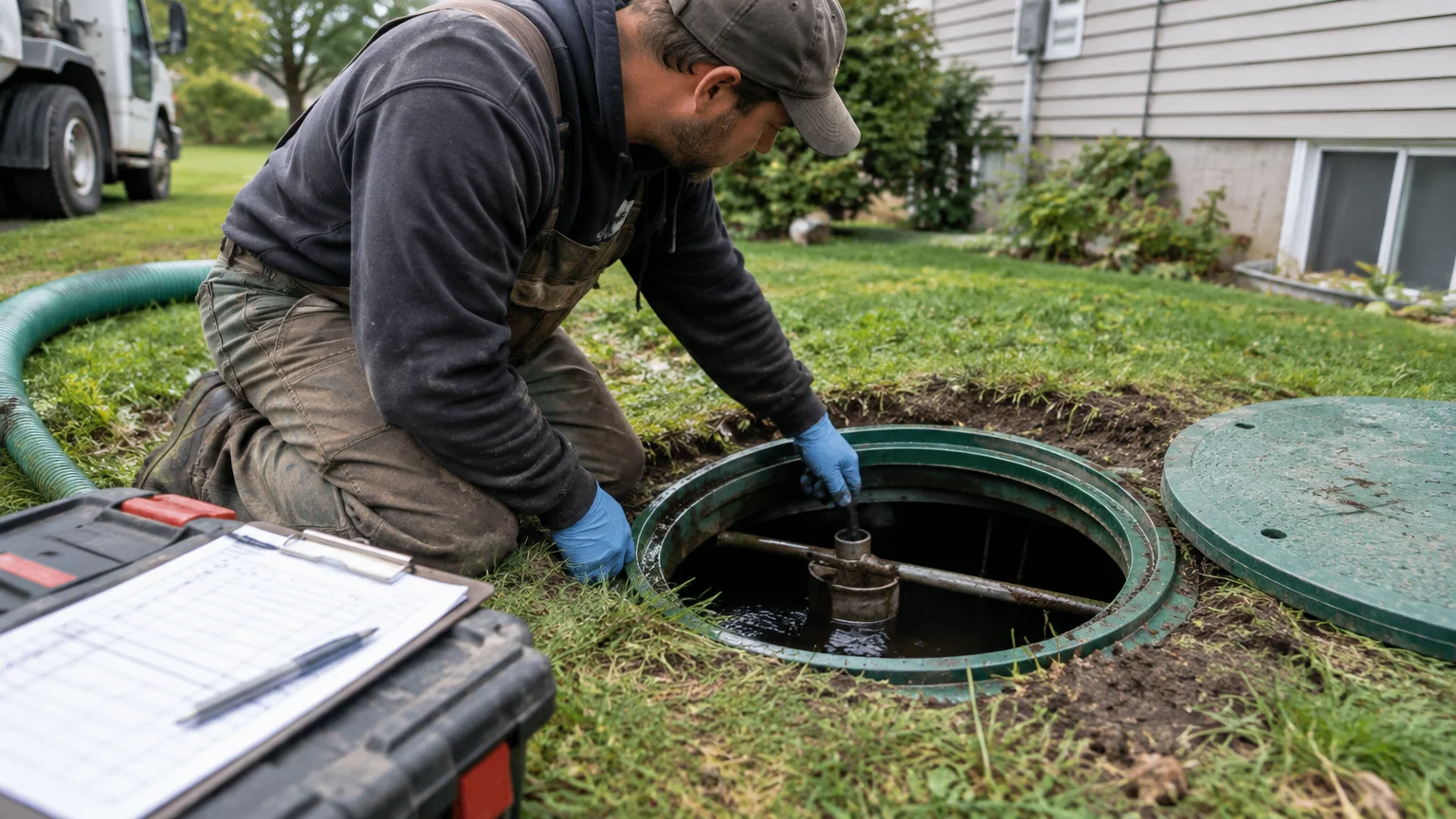
Access covers allow inspection and pumping. Older tanks may have covers below the soil. Newer systems may use risers that bring covers closer to the ground. Never enter a septic tank. Dangerous gases and low oxygen can cause severe injury or death.
Tanks may be made from concrete, fiberglass, or plastic. Their size and shape vary by design. A professional can check the tank, covers, and access points without unsafe digging or entry.
Drainfield and soil treatment area
The drainfield receives liquid from the septic tank. It may have perforated pipes in gravel, chambers, or another approved structure. Liquid spreads through this area and moves into the soil.
The soil treatment area is the soil below and around the drainfield. It filters wastewater and supports natural treatment. Heavy vehicles, sheds, patios, deep-rooted plants, and large piles can damage this area.
Keep the drainfield open and avoid changing its grade. Do not add soil, dig, or direct roof water toward it. These actions can change how wastewater moves through the ground.
How does wastewater move through a septic system?
Wastewater flows from the building through a sewer pipe and into the septic tank. Inside the tank, heavy solids sink, light material floats, and the middle liquid layer moves toward the outlet. The drainfield spreads that liquid into the soil for more treatment.
Many systems depend on gravity. Other systems use a pump when the tank or drainfield sits at another level. A pump system may also have alarms, electrical parts, and a separate pump tank.
How wastewater flows from the property to the soil
Wastewater from toilets, sinks, showers, and appliances enters the tank through the building sewer pipe. Baffles help separate the scum, liquid, and sludge layers. Effluent then passes through the outlet and distribution system into the drainfield soil.
Effluent means the liquid that leaves the tank. Access covers provide service points, while the soil treatment area gives the liquid more treatment. Every part must work for the system to perform well.
The building pipe must carry wastewater safely. The tank must hold and separate waste. The outlet must keep large solids out of the drainfield. The soil must accept and treat the liquid.
How settling, separation, and biological treatment work
Settling happens when heavy solids fall to the tank bottom. Separation happens when fats, oils, grease, and other light materials rise. The middle layer contains liquid that can leave through the outlet.
Biological treatment means living microbes break down some organic waste. This process helps, but it does not remove every harmful substance. Strong chemicals, too much water, solid waste, and grease can harm normal tank and drainfield function.
Pumping removes built-up solids. It does not replace good water use, safe disposal, or drainfield care. A professional can explain which septic tank pumping service fits the system's design and condition.
How do the septic tank and drainfield work together?
The septic tank and drainfield are two connected stages of one treatment system. The tank holds and separates wastewater before the drainfield receives it. The drainfield then uses soil to treat and spread the liquid.
A healthy tank cannot repair a damaged drainfield. A good drainfield cannot work well if the tank sends too many solids into it. Both parts need safe use, protection, and timely care.
What happens inside the septic tank
Wastewater enters through the inlet and slows inside the tank. Solids settle into sludge at the bottom. Floating material forms a scum layer at the top. The liquid between these layers is called effluent.
Baffles guide the flow and help keep scum and sludge away from the outlet. Some systems also use an effluent filter. This filter helps keep larger solids inside the tank, but it still needs inspection and cleaning when needed.
As sludge and scum build up, the tank has less room for liquid. Solids may then move toward the drainfield. They can block soil pores and reduce how well the field accepts wastewater.
How the drainfield filters treated wastewater
The drainfield receives effluent through pipes, chambers, or another distribution method. The liquid moves into open soil, where filtering and natural biological processes continue. Soil type, depth, slope, water level, and system design all affect performance.
A drainfield needs open soil pores and air spaces. Flooding, packed soil, or too much water can reduce those spaces. Warning signs may include wet ground, sewage odors, slow drains, or very green growth over part of the field.
Septic Tank Pumping Monroe serves property owners and nearby communities. Local soil and site conditions can affect how a system is inspected and maintained. This is one reason local knowledge can help when owners need septic pumping or emergency pumping.
What septic system terms should property owners know?
A few common terms make septic reports and service talks easier to understand. These words also help homeowners, tenants, investors, and buyers ask better questions. They describe parts, materials, or processes found in many septic systems.
Effluent, sludge, scum, and biomat explained
Effluent is the liquid layer that leaves the septic tank. Sludge is the heavy solid material at the bottom. Scum is the floating layer of fats, oils, grease, and other light solids.
Biomat is a thin layer of microbes and organic material where effluent enters the soil. A healthy biomat can help with treatment. If too much wastewater or too many solids reach the drainfield, this layer may grow too thick and slow the flow.
These layers are normal parts of septic treatment. Problems start when they build up, move into the drainfield, or cause backups. Pumping and inspection help a professional check their condition.
Baffles, distribution boxes, and risers explained
Baffles guide wastewater inside the tank. They help keep scum and sludge away from the outlet. Risers extend tank access toward the surface, which can make inspection and pumping safer.
A distribution box divides effluent among drainfield lines. If it shifts, clogs, or breaks, one part of the field may receive too much liquid. Another part may receive too little. Some systems use pumps and controls instead of simple gravity flow.
Keep records of these parts when possible. A simple site sketch can show the tank, lids, pipes, drainfield, and nearby wells or buildings. This record helps with repairs, inspections, property sales, and emergency service.
What are common misconceptions about septic systems?
Many septic problems begin with a simple misunderstanding. A septic system is not a waste disposal hole. The tank also cannot treat unlimited water. It is a planned system with limits set by its design and the property's soil.
Clear information helps property owners avoid damage. It also helps tenants report warning signs early. Small changes in drains, odors, or yard conditions can provide useful clues.
Why septic systems are not maintenance-free
A septic system needs regular attention because sludge and scum keep building up. Natural bacteria break down some waste, but they do not remove all solids. An ignored tank may send solids into the drainfield.
Some people think additives can replace pumping or repair. They cannot fix a broken pipe, full tank, flooded drainfield, or poor soil. Follow local guidance and the system maker's instructions instead.
A septic system also does not make every household product safe. Paint, solvents, motor fluids, medicines, wipes, and other items may harm the system. They may also create a disposal problem.
What household activities can affect septic performance
Daily water use affects how quickly wastewater enters the tank and drainfield. Spreading laundry across the week can reduce sudden heavy flow. Fixing leaking toilets and faucets also helps prevent constant water movement.
Property owners should follow these habits:
- Flush only human waste and toilet paper.
- Keep grease, oil, wipes, and harsh chemicals out of drains.
- Keep vehicles and heavy equipment off the drainfield.
- Direct roof water and surface runoff away from the system.
- Do not plant deep-rooted trees over the tank or drainfield.
These steps support normal operation, but they do not replace inspection or pumping. A large household, busy business, or seasonal property may have different care needs.
How can property owners keep a septic system working properly?
Property owners can protect a septic system with careful water use, safe waste disposal, clear records, and professional help when signs appear. They can safely check for odors, slow drains, wet soil, and unusual plant growth. They should not open unsafe covers, enter a tank, dig deeply, or repair buried parts without proper training.
Routine pumping removes settled solids before they reach the drainfield. Inspections can find damaged covers, broken baffles, blocked filters, shifting boxes, or other concerns. The right maintenance schedule depends on tank size, household use, solids buildup, and system design.
Signs that a septic system needs professional attention
Some warning signs appear inside the building. Slow drains, gurgling pipes, backups, or sewage odors may point to a full tank, blocked pipe, or drainfield problem. One sign does not prove the cause, so an assessment is safer than guessing.
Outdoor signs matter too. Wet spots near the tank or drainfield, sewage odors, standing water, or sudden plant growth may show that wastewater is not moving normally. Keep people and pets away from suspected sewage.
Seek help quickly when wastewater backs up, an alarm sounds, a pump stops, or a cover is damaged. Delay can allow a small issue to affect more of the system. In some cases, emergency pumping may be needed to protect the property while the cause is checked.
Routine pumping, inspections, and responsible water use
Routine pumping removes sludge and scum from the tank. An inspection checks the tank, inlet, outlet, baffles, filter, covers, and visible drainfield parts. Timing depends on real system conditions, not one rule for every property.
Start by finding the as-built drawing, permit records, or past service notes. If records are missing, a professional may locate the tank and drainfield. Mark access points and keep them easy to reach.
For septic tank pumping, Septic Tank Pumping Monroe can help property owners understand the next practical step. Contact us to discuss the property's septic system and service needs.
Key takeaways
- A septic system treats wastewater on or near the property.
- The tank separates solids from liquid before the drainfield receives it.
- Soil below the drainfield provides another stage of treatment.
- Safe water use and waste disposal protect the tank and soil.
- Slow drains, odors, wet ground, and backups need professional attention.
Frequently Asked Questions
How deep should a septic tank be?
A septic tank may sit at different depths based on the property design, soil, slope, and local rules. Some tanks have shallow covers, while others sit deeper below the surface. Do not dig blindly. Records, locating tools, or a professional inspection can help find the tank safely.
How far does a septic tank need to be from a house?
The required distance depends on local health rules, site conditions, and system design. Setback rules may also apply to wells, property lines, streams, driveways, and buildings. Check local requirements and the approved site plan instead of relying on a general distance.
How can someone find a buried septic tank?
Start with permit records, an as-built drawing, or clues from the building sewer pipe. A professional may use careful probing or electronic locating tools. Heavy equipment can damage the tank or pipe, so mark the area before excavation.
How deep is a septic tank lid?
A septic tank lid may sit near the surface or under soil. Its depth varies with installation and later landscaping. Locate a buried lid before pumping or inspection. Never lift a damaged cover or leave an open tank unattended.
How does a septic system work during heavy water use?
The system receives wastewater faster when many fixtures run at once. Short periods of heavy use may be manageable, but repeated overload can stress the drainfield. Spacing laundry, fixing leaks, and limiting extra water help the system handle normal flow.
Understanding what is septic system gives property owners a useful starting point. The tank, pipes, treatment soil, and household habits all work together. With safe use, clear records, routine maintenance, and timely attention, a septic system can serve a Monroe property more reliably.
If you are not sure what you are dealing with, it is worth having someone look at it before it turns into a bigger job. Get in touch with Septic Tank Pumping Monroe today and we will tell you where you stand.